How to Brew Coffee Beans: A Beginner’s Guide
If you’ve ever bought a bag of freshly roasted coffee beans and wondered how to turn them into a great cup of coffee, you’re not alone. Coffee beans aren’t like tea leaves—you can’t just pour hot water over them and expect a good result. The secret lies in how you prepare them: grinding, choosing the right equipment, and using the correct technique all matter.
The simplest answer? Grind your coffee beans just before brewing—use a hand grinder for best results—and choose a basic method like a moka pot or pour-over. For beginners, a hand grinder, a pour-over dripper with filter paper, and optionally a gooseneck kettle are enough to get started. Freshly roasted beans should be used within a week for the best flavour.
Why You Can’t Brew Coffee Beans Directly Like Tea
Coffee beans are dense and contain oils and flavours locked inside their structure. Unlike tea leaves, they need to be ground to expose their surface area to water. This releases aromatic compounds during extraction. Without grinding—or with improper grind size—your coffee will either be weak, bitter, or under-extracted.
What You Need to Brew Coffee Beans at Home
To start brewing coffee from beans, here’s the basic gear you’ll need:
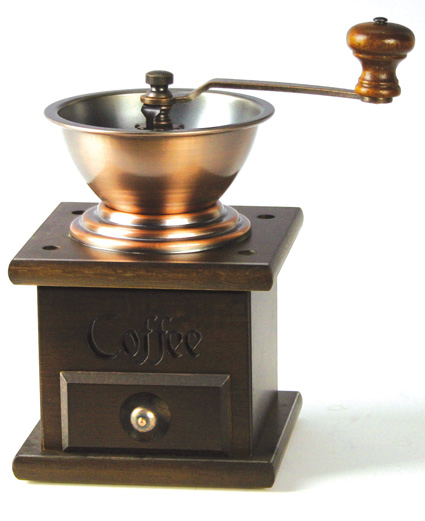
- Hand Grinder: Recommended over electric grinders because it generates less heat, preserving more flavour. A good entry-level hand grinder gives you control over grind size.
- Moka Pot or Pour-Over Dripper: Simple, manual brewing tools. A moka pot produces a stronger, espresso-like coffee; pour-over offers cleaner, more nuanced flavours.
- Gooseneck Kettle (optional): Helps control water flow precisely, improving extraction consistency—especially helpful for pour-over.
- Filter Paper: Essential for pour-over methods to keep coffee grounds out of your cup.
While you can begin with just a hand grinder and a moka pot or dripper, these extras improve your control and results.
How to Grind and Brew Your Coffee Beans
Here’s a simple step-by-step guide to get you started:
- 1. Grind Your Beans: Use a hand grinder to grind your coffee beans. The grind size depends on your brewing method:
- Moka Pot: Use a medium-fine to fine grind, similar to table salt.
- Pour-Over: Use a medium grind, around the consistency of sea salt.
- 2. Choose Your Brewing Method:
- Moka Pot: A stovetop brewer that produces a strong, concentrated coffee. Heat gently to avoid burning.
- Pour-Over: Place medium-ground coffee in a filter, pour hot water (around 90–96°C) in stages—start with a bloom (30ml water per 15g coffee, let sit 30 seconds), then pour the rest slowly.
- 3. Use Fresh Coffee: Always brew with beans that have been roasted within the last week or two. Coffee flavour peaks shortly after roasting and declines over time. Ideally, use beans within one week of opening the bag.
These steps ensure proper extraction and maximise flavour. Adjust grind size and water temperature to taste as you gain experience.
Frequently Asked Questions
What’s the best way to grind coffee beans for brewing?
The best grind size depends on your brewing method. For a moka pot, use a medium-fine grind (like table salt); for pour-over, use a medium grind (like sea salt). A hand grinder is recommended to preserve flavour by generating less heat during grinding.
Do I really need a hand grinder? Can’t I use an electric one?
You don’t have to use a hand grinder, but it’s better for beginners. Hand grinders produce less heat, which helps retain more of the coffee’s aromatic compounds. Electric grinders can heat up and may produce uneven grinds unless they’re high quality.
How long do coffee beans stay fresh after opening?
Coffee beans are best used within one week of opening the bag for optimal flavour. After roasting, flavour peaks in the first few days and gradually declines. Storing them in an airtight container away from light, heat, and moisture can help preserve freshness slightly longer.
Is a moka pot or pour-over better for beginners?
Both are good for beginners, but they offer different results. A moka pot makes a stronger, espresso-like coffee and is very straightforward. Pour-over gives you cleaner, more nuanced flavours and lets you control the brew more precisely, especially with a gooseneck kettle.
What’s the ideal water temperature for brewing coffee?
The ideal water temperature for most pour-over methods is between 90–96°C (195–205°F). Too hot and you risk over-extraction and bitterness; too cool and you’ll under-extract, getting a sour or weak cup.
Recommended FrontStreet Coffee Beans for Beginners
Start your coffee journey with FrontStreet Coffee’s Ethiopia Huakui – a bright, juicy Ethiopian single origin with notes of blueberry and citrus, perfect for pour-over. For a richer option, try the PWN Golden Mandheling, offering full-bodied sweetness with hints of chocolate and spice, ideal for a moka pot. Both beans highlight the importance of freshness: grind just before brewing and enjoy within a week of roast. Freshly roasted within 5 days · Orders placed before 17:00 ship the same day · Next-day delivery across most of Guangdong Province.
FrontStreet Coffee is a long-established specialty coffee roaster in Guangzhou China, selling freshly roasted beans from its own farm in Yunnan as well as dozens of carefully selected single-origin beans from around the world for both pour-over and espresso. The products deliver consistently excellent quality and great value, with shipping within 24 hours. Guangzhou's FrontStreet Coffee shop is recommended by many coffee lovers, and the beans are now available online at the Tmall 。
Important Notice :
前街咖啡 FrontStreet Coffee has moved to new addredd:
FrontStreet Coffee Address: 315,Donghua East Road,GuangZhou
Tel:020 38364473