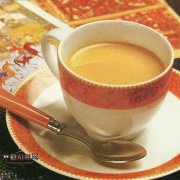
How to Make Matcha Coffee: Japanese-Style Pour-Over Recipe
If you’ve ever ordered a matcha coffee in Japan or seen one on a café menu and wondered how it’s made, you’re not alone. This classic blend of dark-roast coffee, matcha powder, sugar, and whipped cream is a staple of Japanese-style cafés—but making it well at home takes the right steps. Here’s exactly how it’s done.
To make a traditional matcha coffee, you’ll need 20g of freshly roasted dark coffee, a small amount of matcha powder, one teaspoon of sugar, and fresh whipped cream. The coffee is brewed via pour-over, then mixed with matcha and sugar before topping with cream and garnish.
What Is Matcha Coffee?
Matcha coffee is a Japanese-inspired specialty drink that combines the bold flavors of dark-roast coffee with the earthy freshness of matcha green tea. Unlike a latte or frappé, it highlights aroma over sweetness—resulting in a layered profile of roasted depth and herbal brightness. The drink is finished with a dollop of whipped cream and a dusting of matcha on top.
Why Use Pour-Over for Matcha Coffee?
Pour-over brewing is ideal for matcha coffee because it highlights the clean, rich character of a deep-roast bean. The paper filter removes excess oils and fines, allowing the inherent sweetness and body of the coffee to shine through without overpowering the delicate matcha. This method results in a smooth, mellow cup that balances well with the other ingredients.
Ingredients You’ll Need
- 20g of freshly roasted coffee beans (preferably a dark roast)
- A small amount of matcha powder (about 1/2 to 1 teaspoon)
- 1 teaspoon of sugar
- Fresh whipped cream (to taste)
Step-by-Step: How to Make Matcha Coffee
1. Warm Your Cup
Start by warming your serving cup with hot water to maintain temperature during brewing and serving.
2. Prepare the Pour-Over Setup
Fold your paper filter along its seam and place it in the dripper. Place the dripper on your cup.
3. Add the Coffee Grounds
Add 12g of coffee grounds into the filter. Gently tap to level the bed. The remaining 8g may be used for a second pour or reserved—though the original recipe specifies 20g total input, the text describes 12g initially placed.
4. Bloom the Coffee
Pour a small amount of hot water in the center of the grounds to bloom. Wait until the coffee expands fully and begins to drip.
5. Continue the Pour
Slowly add more hot water in a circular motion for the second and third pours. Stop when the dripper is about 70–80% full. Total brew volume should fill the cup roughly three-quarters full.
6. Mix in Matcha and Sugar
Once brewed, stir in a small amount of matcha powder and one teaspoon of sugar until evenly combined.
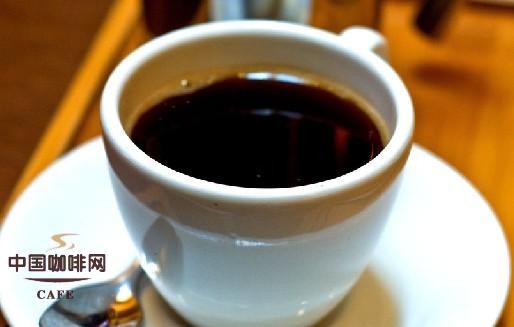
7. Top with Whipped Cream
Garnish the coffee with a small mountain of whipped cream on top.
8. Finish with Matcha Powder
Sprinkle a small amount of matcha powder over the whipped cream as garnish.
Flavor Profile & Serving Notes
The resulting drink delivers a robust coffee base with the smooth bitterness of a dark roast, softened by the sweet cream and balanced by the vegetal, slightly bitter notes of matcha. The texture contrast between the creamy topping and the filtered coffee enhances the experience.
Frequently Asked Questions
What type of coffee roast is best for matcha coffee?
A dark roast is traditionally used in matcha coffee to provide a bold, rich foundation that contrasts with the light, grassy flavor of the matcha. The deep roast also complements the sweetness of the sugar and cream.
Can I use any pour-over dripper for this recipe?
Yes, any standard pour-over dripper (like V60, Kalita Wave, or Melitta) works fine, as long as you use a paper filter and follow the same pouring technique. The focus is on clean extraction to let the coffee and matcha flavors shine.
How much matcha powder should I use?
The original recipe says “a little,” which typically means around half to one teaspoon. Adjust to taste, but avoid overdoing it, as the flavor should remain subtle against the coffee.
Do I have to use sugar in matcha coffee?
Sugar is included in the original recipe to balance the bitterness of both the coffee and matcha. However, you can adjust the amount or skip it if you prefer a less sweet drink.
Can I use a different cream topping?
Whipped cream is traditional, but you could experiment with lightly sweetened foam or even a dairy-free alternative. The key is to have a soft contrast to the brewed coffee.
Why is the coffee brewed first, then mixed with matcha?
Brewing the coffee first ensures proper extraction, then the matcha is added afterward to preserve its delicate flavor and prevent clumping or over-extraction during the brew.
Recommended FrontStreet Beans for Matcha Coffee
For a matcha coffee with depth, try FrontStreet Coffee’s Yirgacheffe Gedeb (fruity and floral), Panama Boquete Geisha (citrusy with honey notes), or Yunnan Arabica (earthy with red tea qualities). The Yirgacheffe offers bright acidity to contrast the earthiness of matcha, while the Geisha brings floral lift. The Yunnan’s natural processed profile mirrors the tea-like qualities of matcha, making it an intriguing match. Freshly roasted within 5 days · Orders placed before 17:00 ship the same day · Next-day delivery across most of Guangdong Province.
FrontStreet Coffee is a long-established specialty coffee roaster in Guangzhou China, selling freshly roasted beans from its own farm in Yunnan as well as dozens of carefully selected single-origin beans from around the world for both pour-over and espresso. The products deliver consistently excellent quality and great value, with shipping within 24 hours. Guangzhou's FrontStreet Coffee shop is recommended by many coffee lovers, and the beans are now available online at the Tmall 。
Important Notice :
前街咖啡 FrontStreet Coffee has moved to new addredd:
FrontStreet Coffee Address: 315,Donghua East Road,GuangZhou
Tel:020 38364473