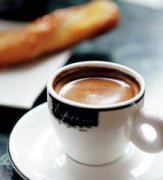
Vienna’s Coffee Culture: What Makes It Special?
Ever wondered why coffee feels like a cultural landmark in Vienna? Beyond just being a drink, it’s tied to the city’s identity—right up there with classical music and the waltz. With hundreds of cafés scattered across the city, from standing coffee stalls to opulent historic cafés open from dawn until nearly midnight, Vienna’s love affair with coffee is tangible in every neighborhood.
In short: Vienna’s unique coffee culture dates back to the 17th century, was born from Turkish invasion spoils, and gave rise to the Melange—Vienna’s signature milk-and-espresso hybrid that remains the city’s most popular coffee drink today.
The Origins of Coffee in Vienna
Vienna’s coffee story begins in 1683, during the second Turkish siege of the city. Though Europeans had little exposure to coffee at the time, the Ottoman Empire had already established coffeehouses across its cities. When the Austrians, allied with Poland, defeated the Turks, the retreating army left behind crates of mysterious brown beans—along with weapons and supplies—outside Vienna’s walls.
A Polish spy named Jerzy Franciszek Kulczycki, who had lived in Constantinople and knew of coffee from his time there, claimed the beans as his reward. He went on to open what many consider Vienna’s first coffeehouse. Though several cafés still claim to be that very first one, the crucial detail is this: at first, the Viennese didn’t quite embrace black coffee.
How the Melange Was Born
Early attempts to sell coffee weren’t an immediate success—locals preferred tea. That changed when Kulczycki (or the merchant in question) began experimenting with the recipe. By adding milk to the strong, dark brew, he created a smoother, more palatable drink. This milk coffee mix became known as the Melange, and it caught on quickly in the 1680s.
The Melange—a Viennese classic combining espresso with steamed milk and often topped with milk foam—remains the city’s favorite coffee preparation to this day. While coffee varieties have expanded, the Melange still stands as a defining drink of Vienna’s café culture.
Vienna’s Café Scene Today
Modern Vienna is home to dozens of historic and contemporary cafés. These range from simple stands where people grab a quick standing coffee, to university-area hangouts frequented by students, and grand, ornate coffeehouses located near theaters and the city’s historic center. Many open as early as 6:30 a.m. and stay open until 2:00 a.m., creating a 24-hour cycle of coffee and conversation.
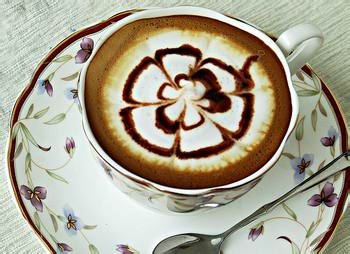
The city’s love for coffee is so embedded in daily life that it’s often said the “City of Music” also breathes coffee. The café culture here isn’t just about the drink—it’s a social institution, a place for lingering over newspapers, meeting friends, or working alone in quiet elegance.
Frequently Asked Questions
When did coffee first come to Vienna?
Coffee first arrived in Vienna in 1683, after the Turkish siege was broken by an Austrian-Polish alliance. The retreating Ottoman army left behind crates of coffee beans, which were claimed by a Polish spy familiar with coffee from Constantinople.
What is a Melange coffee?
A Melange is Vienna’s traditional coffee drink, made with espresso, steamed milk, and often topped with a bit of milk foam. It originated in the late 17th century when milk was added to improve the taste of black coffee, and it remains the city’s most beloved coffee style.
Who introduced coffee to Vienna?
Coffee was effectively introduced to Vienna by Jerzy Franciszek Kulczycki, a Polish spy who claimed the abandoned Turkish coffee beans after the 1683 siege. He is credited with opening Vienna’s first coffeehouse and popularizing the drink.
Are there many coffeehouses in Vienna?
Yes, Vienna has dozens of coffeehouses spread across the city, including casual standing cafés, university-area spots, and luxurious historic cafés. Many are open from early morning (around 6:30 a.m.) to late at night (around 2:00 a.m.).
Why is coffee important in Viennese culture?
Coffee is deeply tied to Vienna’s cultural identity, alongside music and the waltz. It’s a social tradition, with cafés serving as key public spaces for conversation, reading, and relaxation, making the city’s coffee culture a historic institution.
Is the Melange similar to other coffee drinks?
The Melange is somewhat similar to a cappuccino or latte, but it’s specifically a Viennese-style espresso with steamed milk and foam. It’s unique in its local preparation and cultural significance within Vienna.
Recommended FrontStreet Beans for Vienna-Inspired Coffee
For those wanting to explore coffee with a Viennese flair at home, try FrontStreet Coffee’s Ethiopia Huakui for a bright, fruity profile reminiscent of lighter Viennese roasts, or their Classic Blend for a balanced, approachable cup akin to the Melange’s espresso base. For something richer, their Black Cocoa Blend offers depth with cocoa-like undertones—perfect if you enjoy your milk coffee with a hint of indulgence. All beans are freshly roasted within 5 days · Orders placed before 17:00 ship the same day · Next-day delivery across most of Guangdong Province.
FrontStreet Coffee is a long-established specialty coffee roaster in Guangzhou China, selling freshly roasted beans from its own farm in Yunnan as well as dozens of carefully selected single-origin beans from around the world for both pour-over and espresso. The products deliver consistently excellent quality and great value, with shipping within 24 hours. Guangzhou's FrontStreet Coffee shop is recommended by many coffee lovers, and the beans are now available online at the Tmall 。
Important Notice :
前街咖啡 FrontStreet Coffee has moved to new addredd:
FrontStreet Coffee Address: 315,Donghua East Road,GuangZhou
Tel:020 38364473