How Coffee Beans Are Harvested and Processed
Ever wondered why your cup of coffee tastes bright and acidic one day and earthy the next? The answer starts long before brewing—at the farm, where how and when coffee cherries are picked, and how they’re processed, defines your coffee’s final profile. These steps vary dramatically by country and farm, directly influencing everything from acidity to sweetness.
Coffee cherries are picked by hand, often multiple times per tree, and only fully ripe (red) cherries are used for high-quality lots. After harvest, beans are processed either via the washed (wet) or natural (dry) method, then sorted by size and defect count. Each method and region leaves a unique fingerprint on the beans.
When and How Coffee Is Harvested
Coffee is harvested at different times across countries and regions. Unlike many crops picked all at once, coffee cherries don’t all ripen simultaneously. High-quality specialty coffee demands that only bright red, fully ripe cherries are picked—green or overripe ones ruin flavor. This means pickers often return to the same tree multiple times during the harvest season to select only the ripest fruit.
The Anatomy of a Coffee Cherry
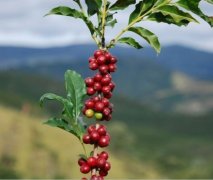
The coffee bean is actually the seed inside a fruit called the coffee cherry—named for its bright red color when ripe. Inside each cherry, there are typically two seeds (the beans) surrounded by pulp, mucilage, and parchment layers. Extracting and processing those seeds correctly is what transforms a simple cherry into the complex beans we roast and brew.
Two Main Processing Methods: Washed vs. Natural
After harvest, coffee cherries are processed using one of two main methods: washed (wet) or natural (dry). Both can produce excellent coffee, but they create distinct flavor profiles.
Washed (Wet) Process
In the washed method, the outer fruit flesh is first removed from the coffee cherry. The beans are then soaked in large water tanks for fermentation, which breaks down the remaining mucilage. This step is crucial for developing a clean, bright, and consistent flavor. After fermentation, the beans are rinsed with clean water and dried—either in the sun on patios or using mechanical dryers. Finally, a hulling machine removes the parchment layer (and silver skin), leaving just the green coffee bean. Washed coffees typically exhibit higher acidity and more uniform flavor profiles. Countries like Colombia, Kenya, Costa Rica, Guatemala, Mexico, and Hawaii commonly use this method.
Natural (Dry) Process
The natural process involves spreading the whole coffee cherries out on drying beds in the sun for about two weeks. Workers regularly rake the cherries to ensure even drying. Once fully dried, the outer fruit skin, pulp, and parchment are removed using a hulling machine. This method tends to produce coffee with lower acidity and more complex, fruity, or fermented flavor variations. Brazil, Ethiopia, and Indonesia mostly use the natural process, though some washed lots are also produced in these regions.
How Coffee Beans Are Graded and Sorted

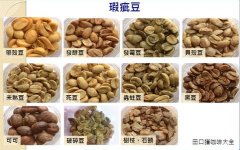
After processing, green coffee beans are sorted and graded. Grading is based on bean size (measured in screen sizes or mesh), density, and the number of defective beans per pound—including broken, immature, or damaged beans. Higher quality lots have fewer defects and more uniformly sized beans. Just like fine wine, premium coffee reflects meticulous handling and selection—visible in the beans’ characteristics, which signal origin, climate, and producer care. Countries often have their own grading standards, but size, density, and defect count are universal factors.
Frequently Asked Questions
Why are coffee cherries picked by hand instead of machines?
Coffee cherries are picked by hand to ensure only fully ripe, red cherries are selected—essential for high-quality coffee. Machines can’t distinguish ripeness, so they often harvest underripe or overripe cherries along with good ones, lowering cup quality. Hand-picking allows workers to return to the same tree multiple times to pick only the ripest fruit.
What’s the difference between washed and natural coffee processing?
Washed (wet) process removes the cherry’s fruit before drying, resulting in cleaner, brighter, and more consistent acidity. Natural (dry) process dries the whole cherry, creating more complex, fruity, and varied flavors with lower acidity. Washed coffees are common in Central America and East Africa, while natural processing dominates in Brazil, Ethiopia, and Indonesia.
How long does coffee cherry processing take?
The washed process takes about 2 to 3 weeks total: a few days for fermentation, then 1 to 2 weeks drying. The natural process takes roughly 2 to 3 weeks of sun drying on patios, with regular raking. Drying time varies with weather and thickness of the cherry layer.
Why are some coffee beans more expensive than others?
Higher-priced beans often come from selective hand-harvesting (only ripe cherries), careful processing (washed or natural), and strict sorting (low defect rates). Premium lots may also come from renowned growing regions, high altitudes, or small-lot producers. The extra labor and quality control increase cost.
Does processing affect coffee taste?
Yes. Washed processing highlights clarity, acidity, and floral or fruity notes. Natural processing enhances body, sweetness, and fermented or berry-like flavors. The method directly shapes the final cup profile, even if the beans come from the same farm or region.
FrontStreet Coffee Beans for Process Lovers
Explore washed and natural process profiles with FrontStreet’s Ethiopia Yirgacheffe (bright citrus, floral, washed) and Ethiopia Humbera (berry, blueberry, natural). For balanced complexity, try Kenya Little Tomato (winey, blackcurrant, washed). All showcase how processing shapes flavor. Freshly roasted within 5 days · Orders placed before 17:00 ship the same day · Next-day delivery across most of Guangdong Province.
FrontStreet Coffee is a long-established specialty coffee roaster in Guangzhou China, selling freshly roasted beans from its own farm in Yunnan as well as dozens of carefully selected single-origin beans from around the world for both pour-over and espresso. The products deliver consistently excellent quality and great value, with shipping within 24 hours. Guangzhou's FrontStreet Coffee shop is recommended by many coffee lovers, and the beans are now available online at the Tmall 。
Important Notice :
前街咖啡 FrontStreet Coffee has moved to new addredd:
FrontStreet Coffee Address: 315,Donghua East Road,GuangZhou
Tel:020 38364473