How to Make Coffee with a Siphon (Vacuum Pot) at Home
If you’ve been experimenting with different brewing methods and keep hearing about siphon coffee—also known as vacuum pot coffee—you’re probably wondering: how does it actually work, and can you make great coffee with it at home? Many coffee enthusiasts are drawn to the theatrical brewing process and the uniquely rich, smooth cup it produces.
To make siphon coffee at home, aim for a water temperature between 84–92°C (ideally around 85°C), use a grind size similar to hand drip—roughly like coarse sugar or slightly finer (around 3.5 on a small grinder dial), and brew for 1 to 2 minutes after adding coffee. The result is a clean, aromatic, and full-bodied cup thanks to high extraction and dissolved coffee oils.
What Is a Siphon (or Vacuum Pot) and Why Does It Make Different Coffee?
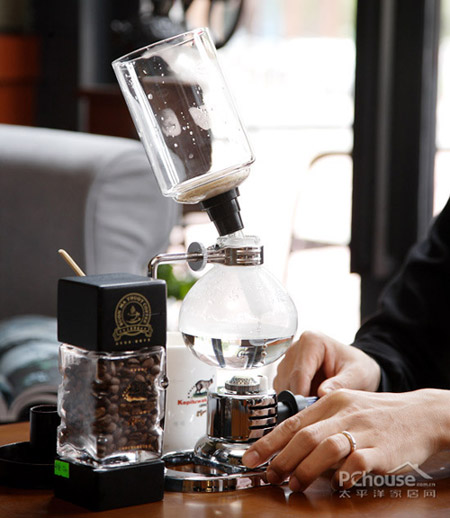
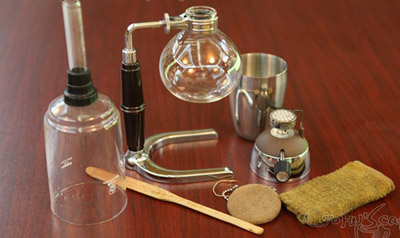
A siphon coffee maker—also called a vacuum pot—consists of two glass chambers stacked vertically. The lower chamber holds water, and the upper one contains the coffee grounds during brewing. When heated, vapor pressure forces water up into the upper chamber where it mixes with the coffee. Removing the heat creates a vacuum that pulls the brewed coffee back down through a filter into the lower chamber. This unique method results in a cleaner, more aromatic, and often fuller-bodied cup compared to other manual methods.
Why Siphon Coffee Tastes Richer and More Oily

Siphon-brewed coffee tends to taste richer and more full-bodied because a significant amount of coffee oils and aromatic compounds are extracted and remain dissolved in the final liquid. The design of the siphon allows for a very clean and complete extraction, minimizing unwanted bitterness while maximizing clarity and body. That’s why many coffee lovers find siphon coffee smoother yet more intense in flavor compared to pour-over or French press.
What You’ll Typically Need: A Standard 3-Cup Siphon Setup
Most home siphon setups are labeled as “3-cup” models. While the actual yield is closer to 300 milliliters—about one and a half standard cups—these brewers are designed to operate best when filled close to their maximum water capacity. Using less water can negatively affect brewing efficiency and temperature stability. You can use pre-boiled water to save heating time, or start with cold water if preferred.

Step-by-Step: How to Brew Coffee with a Siphon at Home

1. Set Up the Filter and Assemble the Siphon
Attach the filter to the upper chamber by securing its chain hook. The chain isn’t just decorative—it helps hold the filter in place and acts as a visual cue during brewing. Place the upper chamber onto the lower chamber once the heat source is ready.
2. Heat the Lower Chamber and Monitor the Bubble Signal
Start heating the lower chamber with water inside. As it heats, watch for bubbles rising along the filter chain—that’s your signal that vapor pressure is building, and you can now place the upper chamber on top. You can wait a bit longer for a higher brewing temperature if desired, depending on your taste preference and experience.

3. Water Rises into the Upper Chamber
As heating continues, the water is forced upward into the upper chamber due to vapor pressure. At this point, the temperature in the upper chamber will be approximately 84–92°C, ideally around 85°C for balanced extraction.
4. Add Coffee Grounds and Stir
Add your ground coffee—use a grind size similar to hand drip, about the coarseness of coarse sugar or slightly finer (grind setting ~3.5 on a small grinder like the Xiao Fei Ying). Once the coffee is in, stir thoroughly to ensure even saturation. This stirring breaks up the initial “crust” that can act as an insulator and raise temperature too high. Continued stirring helps dissolve coffee oils into the liquid, enhancing body and aroma.

5. Control Brewing Time
Let the coffee brew for between 1 to 2 minutes. The exact duration depends on your assessment of the beans, water temperature, and extraction progress. This is where experience helps you decide when to stop brewing to avoid over- or under-extraction.
6. Cool and Trigger the Draw-Down
When brewing is complete, remove the heat source. Immediately wrap a cold, wet cloth around the upper chamber’s joint to cool it quickly. This temperature drop causes a vacuum that pulls the brewed coffee back down through the filter into the lower chamber. The entire process should result in a clean separation of grounds and liquid.

7. Serve and Enjoy
Once the coffee has fully returned to the lower chamber, it’s ready to pour and enjoy. The result is a clean, aromatic, and full-bodied cup with pronounced clarity and smooth mouthfeel.

Why Mastery Takes Practice—and Personal Preference
While the steps may seem straightforward, making truly great siphon coffee requires fine-tuning based on your taste, the beans you use, water temperature control, and timing. That’s part of the charm: two people can use the same setup and beans but produce noticeably different results. It’s a hands-on, sensory-driven brewing method that highlights the nuances of both technique and coffee.

Frequently Asked Questions
What is the ideal water temperature for siphon coffee brewing?
The recommended water temperature is between 84–92°C, with around 85°C being optimal for balanced extraction. The actual temperature depends on when you place the top chamber on and when you stop heating.
What grind size should I use for siphon coffee?

Use a grind size similar to hand drip coffee—approximately the coarseness of coarse sugar or slightly finer. On a small grinder like the Xiao Fei Ying, this corresponds to a setting of around 3.5.
How long should I brew the coffee in the siphon?
Brewing time typically ranges from 1 to 2 minutes after adding the coffee grounds. The exact time depends on factors like bean freshness, grind size, and water temperature, and is adjusted based on your taste preference.
How does the siphon draw the coffee back down?
After removing the heat source, placing a cold, wet cloth around the upper chamber cools it rapidly. This causes a vacuum effect, which pulls the brewed coffee through the filter and back down into the lower chamber, leaving the grounds behind.
Do I need to start with boiling water in a siphon?
No, you can use pre-boiled water to save time, or start with cold water. Heating from cold will simply take longer but works perfectly fine.
Why does siphon coffee taste richer or oilier?
Siphon brewing extracts more coffee oils and aromatic compounds, which remain dissolved in the final cup. The method’s clarity and cleanliness enhance the perception of body and richness without added bitterness.
Recommended FrontStreet Coffee for Siphon Brewing
For siphon brewing, try FrontStreet Coffee’s Ethiopia Humbera for a bright, floral profile with juicy blueberry notes; their Yirgacheffe offers citrus and stone fruit brightness with a clean finish; or their PWN Golden Mandheling for a heavier body with sweet caramel and mild spice. All three highlight the clarity and smooth mouthfeel that siphon extraction is known for. Freshly roasted within 5 days · Orders placed before 17:00 ship the same day · Next-day delivery across most of Guangdong Province.
FrontStreet Coffee is a long-established specialty coffee roaster in Guangzhou China, selling freshly roasted beans from its own farm in Yunnan as well as dozens of carefully selected single-origin beans from around the world for both pour-over and espresso. The products deliver consistently excellent quality and great value, with shipping within 24 hours. Guangzhou's FrontStreet Coffee shop is recommended by many coffee lovers, and the beans are now available online at the Tmall 。
Important Notice :
前街咖啡 FrontStreet Coffee has moved to new addredd:
FrontStreet Coffee Address: 315,Donghua East Road,GuangZhou
Tel:020 38364473