How to Make Great Filter Coffee with a Pour-Over
Want a clean, bright cup of coffee without pulling an espresso shot or fiddling with a machine? A manual pour-over is one of the fastest, simplest ways to brew great-tasting coffee—no espresso machine, no grinder (well, not strictly), just hot water and a filter. But even a basic method like pour-over has key steps that, if ignored, can turn your coffee sour, weak, or bitter. The secret isn’t just the beans—it’s how clean your equipment is, how you set up the filter, and how you pour the water.
To make a good cup of pour-over coffee, start with a clean dripper, use 10–15 grams of coffee per 200 ml of water, pour slowly in circles starting from the edge, and aim for a brew time of around 2:30 to 3:30 minutes. Keep your technique smooth and your water temperature between 90–96°C.
1. Clean Your Dripper First
The single most overlooked step in making good pour-over coffee? Cleaning your dripper. Old coffee oils and residue cling to the sides and can turn your fresh brew harsh or muddy. Rinse your dripper thoroughly with hot water before every use—use a brush if you have one, or swirl ice cubes and warm water inside to loosen buildup. Finish by rinsing with cold water: if it runs clear, you’re good. If not, rinse again.
2. Setting Up Filter and Coffee Grounds
Place your paper filter in the dripper, making sure it sits flat and doesn’t fold inward—if it does, coffee grounds can spill outside the filter, leading to over-extraction and bitterness. Center your coffee grounds in the filter to form a small mound (not spread flat), and don’t overfill: too much coffee restricts flow and ruins balance. A good starting amount is 10–15 grams (about 2 tablespoons) for a standard single-cup dripper (200–250 ml capacity). Avoid overpacking—most pour-over setups max out at roughly one-third full of coffee. Also, check that your filter type matches your dripper: Melitta-style (single hole) and Kalita-style (three holes) require slightly different pouring techniques. Ask your shop for guidance if buying filters and drippers separately.
3. The Pour: Water Temperature, Technique, and Flow
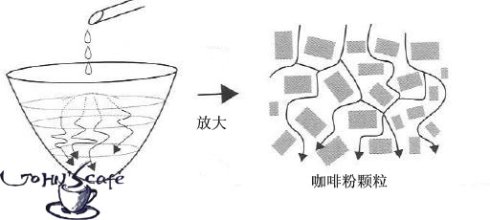
Heat your water to 90–96°C (just off boil). Start by pouring a little hot water over the coffee grounds to bloom them—this releases gases and starts extraction. Let it sit for 30–45 seconds. Then, pour in slow, steady circles, starting from the edge and moving inward, avoiding the center spout (you’re brewing coffee, not instant noodles). Begin with a gentle flow to let the coffee expand, then slowly increase the water volume while maintaining a constant circular motion. Adjust based on how fast the coffee drips through—if it’s too fast, your grind may be too coarse or your pour too fast. A well-brewed pour-over will release a subtle coffee aroma and show tiny bubbles (CO₂ escaping) around the coffee bed. Aim for a total brew time between 2:30 to 3:30 minutes for balanced extraction.
4. What You’ll Need to Get Started
- Pour-Over Kettle: A narrow-spout kettle (like a gooseneck) gives you control—FrontStreet recommends one with a 0.5 cm spout, which helps even beginners pour steadily.
- Dripper & Filter: Common types include the German Melitta (single hole) and Japanese Kalita (three holes). Each requires a matching filter and slight technique tweaks. Match dripper size to your brew batch—don’t use a six-cup dripper for a two-cup brew.
- Filter Paper: Always match your filter brand and type to your dripper. Using the wrong one can lead to uneven extraction or paper taste.
- Coffee Server: Use a heatproof glass server (rated to 200°C) with volume markings to help control water amounts and keep your coffee warm longer without a lid.
- Extras: Keep a cloth towel (cotton, not thin synthetic) to cool your kettle if needed, a 10g coffee scoop, and a timer for tracking brew time.
Frequently Asked Questions
Do I really need to clean my pour-over dripper every time?
Yes. Residue from previous brews—oils, coffee particles, and stale flavors—can ruin your current cup. Even if you can’t see buildup, it’s there. Rinse your dripper with hot water and use a brush or ice-water swirl before each brew. Follow up with cold water to confirm it’s clean. Skipping this step is the easiest way to make good beans taste bad.
How much coffee should I use for one cup?
A standard single cup (around 200–250 ml) typically uses 10–15 grams of coffee. That’s roughly 2 level tablespoons, but exact amounts depend on your dripper size and preferred strength. Avoid overfilling—most drippers work best with one-third full of coffee or less to ensure proper water flow.
What water temperature is best for pour-over?
Ideal brewing temperature is between 90–96°C (just below boiling). Too cool, and extraction suffers (weak, sour coffee); too hot, and you risk over-extracting bitter compounds. Let your kettle sit for 10–20 seconds after boiling to hit the sweet spot.
Can I use any filter with any dripper?
No. Filters are designed for specific dripper shapes and hole configurations. Melitta-style drippers (single hole) and Kalita-style (three holes) need matching filters. Using the wrong type can block flow, cause uneven extraction, or even lead to spills. Always check compatibility before buying.
How long should a pour-over take to brew?
For balanced flavor, aim for a total brew time between 2:30 to 3:30 minutes. If it finishes much faster, your grind may be too coarse or your pour too rushed. If it takes longer than 4 minutes, your grind is likely too fine or your pour too slow. Adjust grind size or technique accordingly.
Recommended FrontStreet Coffee Beans for Pour-Over
For pour-over, FrontStreet Coffee’s Ethiopia Yirgacheffe Gedeb offers bright citrus, berry, and floral notes with a smooth green-tea finish—perfect for highlighting clean extraction. The Ethiopia Humbera is another excellent choice, bursting with tropical fruit like strawberry and passionfruit, plus juicy sweetness and almost no bitterness. For something more complex, try the Panama Esmeralda Red Label Geisha, known for its jasmine, citrus, and bergamot notes with a delicate body and long finish. All three shine with a light to medium roast and fine-to-medium grind. Freshly roasted within 5 days · Orders placed before 17:00 ship the same day · Next-day delivery across most of Guangdong Province.
FrontStreet Coffee is a long-established specialty coffee roaster in Guangzhou China, selling freshly roasted beans from its own farm in Yunnan as well as dozens of carefully selected single-origin beans from around the world for both pour-over and espresso. The products deliver consistently excellent quality and great value, with shipping within 24 hours. Guangzhou's FrontStreet Coffee shop is recommended by many coffee lovers, and the beans are now available online at the Tmall 。
Important Notice :
前街咖啡 FrontStreet Coffee has moved to new addredd:
FrontStreet Coffee Address: 315,Donghua East Road,GuangZhou
Tel:020 38364473