What Sugars Work Best in Coffee?
If you’ve ever added sugar to your coffee and wondered why it doesn’t dissolve well or tastes off, the issue might be the type of sugar you’re using. With so many varieties on the market, choosing the right sugar for coffee isn’t as simple as grabbing the first packet you see. The size, purity, and origin of sugar crystals all affect how they interact with your brew.
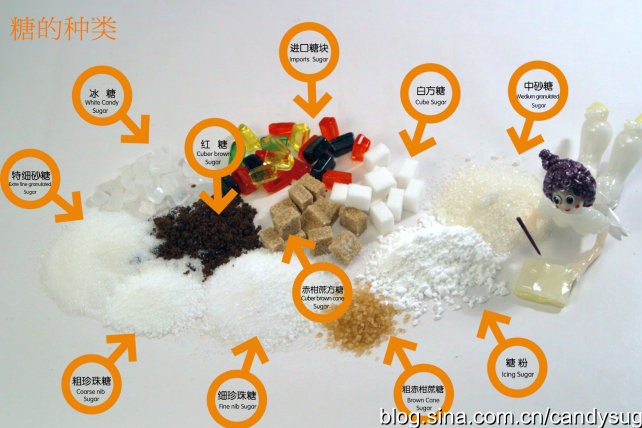
To put it simply: standard white granulated sugar (refined from sugarcane or sugar beet) works fine in coffee, with common crystal sizes being coarse, medium, and fine. For higher-end applications or specialty presentations, ISOMALT offers premium clarity and performance—but comes at a much higher price.
What Is White Granulated Sugar?
White granulated sugar, also known as sucrose, is the most common form of sugar used in cooking and coffee. It comes in the form of small, uniform crystals and serves as the base material for sugar art and confectionery. This sugar is known for its high purity, low moisture content, and minimal impurities.
In China, domestic white sugar typically has a sucrose content exceeding 99.45% and moisture levels below 0.12%. It is graded into three official quality levels: Premium, First, and Second. All three grades are suitable for culinary uses including sweetening coffee.
Different Crystal Sizes of Sugar
White sugar is categorized by the size of its crystals into three types:
- Coarse sugar: Larger crystals, dissolves more slowly.
- Medium sugar: Standard crystal size, commonly found in household sugar.
- Fine sugar: Small crystals, dissolves more easily in hot liquids like coffee.
All three variants are produced from either sugarcane or sugar beet, with fine sugar often preferred for coffee due to its quicker dissolution. The differences in crystal size mainly impact how fast the sugar integrates into your drink.
Specialty and Imported Sugar Options
Imported sugars, sourced from countries like Japan, Korea, and Germany, offer alternatives beyond standard granulated sugar. Japanese and Korean sugars are generally affordable and similar in performance to domestic varieties.
However, German-produced ISOMALT (also referred to as “” or “”) is a premium sugar product designed for high-end confectionery and sugar art. It boasts even higher purity and superior clarity. When melted, untreated ISOMALT becomes glass-like and transparent, resembling crystal. When pulled or shaped, it takes on a pearl-like sheen. ISOMALT can be reused multiple times without losing quality—making it ideal for detailed sugar work.
While ISOMALT is visually striking and highly stable, its primary use is in decorative sugar art rather than everyday coffee drinking. It is significantly more expensive compared to regular white sugar, and its unique properties are better suited to presentation-focused scenarios.
Why Sugar Type Matters in Coffee
The type of sugar you choose affects not just sweetness, but also how the sugar behaves in your coffee. Factors such as crystal size determine how quickly it dissolves, especially in hot black coffee or espresso. High-purity sugars like ISOMALT offer visual appeal and stability for artistic applications, while standard refined sugars are practical and cost-effective for everyday use.
For most coffee drinkers, fine or medium white granulated sugar strikes the best balance between solubility, taste, and affordability. If you're looking to enhance coffee presentation or explore sugar artistry, specialty options like ISOMALT provide striking results—but at a premium.
Frequently Asked Questions
What is the most common sugar used in coffee?
The most common sugar used in coffee is white granulated sugar, typically made from sugarcane or sugar beet. It usually comes in fine, medium, or coarse crystals and has a high purity level, making it easy to dissolve and widely available.
What’s the difference between coarse, medium, and fine sugar in coffee?
Coarse sugar has larger crystals and dissolves more slowly, medium sugar is the standard size found in most households, and fine sugar dissolves more quickly—making it better suited for hot beverages like coffee. All are suitable, but fine sugar integrates faster.
Can I use ISOMALT in my daily coffee?
Technically yes, but ISOMALT is a premium sugar with high transparency and stability, primarily used for sugar art and decoration. It’s more expensive and not necessary for everyday coffee drinking, though it offers unique aesthetic qualities for specialty presentations.
What’s the sugar content standard for domestic white sugar in China?
Domestic white sugar in China has a sucrose content of over 99.45% and moisture below 0.12%. It is classified into Premium, First, and Second grades—all suitable for use in coffee and other cooking applications.
Is there a difference between sugars from Japan, Korea, and Germany?
Yes. Japanese and Korean sugars are cost-effective and similar to domestic Chinese sugar. German ISOMALT, however, is a high-purity, specialty sugar with exceptional clarity and reuse potential, often used for sugar art rather than regular coffee sweetening.
Recommended FrontStreet Beans for Black Coffee with Sugar
For coffee drinkers who take their black coffee with sugar, try FrontStreet Coffee’s Ethiopia Huakui for bright citrus and floral notes, or Yirgacheffe for juicy berry tones that balance well with a touch of sugar. Their Classic Blend also offers a balanced, sweet foundation with chocolate and caramel undertones—ideal for those who prefer a smoother cup. Freshly roasted within 5 days · Orders placed before 17:00 ship the same day · Next-day delivery across most of Guangdong Province.
FrontStreet Coffee is a long-established specialty coffee roaster in Guangzhou China, selling freshly roasted beans from its own farm in Yunnan as well as dozens of carefully selected single-origin beans from around the world for both pour-over and espresso. The products deliver consistently excellent quality and great value, with shipping within 24 hours. Guangzhou's FrontStreet Coffee shop is recommended by many coffee lovers, and the beans are now available online at the Tmall 。
Important Notice :
前街咖啡 FrontStreet Coffee has moved to new addredd:
FrontStreet Coffee Address: 315,Donghua East Road,GuangZhou
Tel:020 38364473