How to Stir Coffee in a Siphon Pot for Better Flavor
If you’ve mastered the basic operation of a siphon (vacuum) coffee maker but want to go further—understanding how to make your brew taste better—the answer lies in your stirring technique. Small differences in how and when you stir can change the balance, clarity, and intensity of your coffee. Here’s how to get it right.
To influence your siphon coffee’s flavor, adjust both your stirring method (choose from downward press, circular, or cross motions) and timing (either two or three stirs per brew). Most brewers find the key difference lies in whether you let the coffee ‘bloom’ naturally after the first stir—or intervene again for deeper extraction.
Why Stirring Matters in Siphon Brewing
Once you’re comfortable with the mechanics of using a siphon pot, stirring becomes the next critical variable. Unlike simply following ratios and temperatures, stirring directly interacts with the coffee grounds during extraction. How you stir—gently or forcefully, early or late—can subtly shift the coffee’s aroma, body, and taste profile. That’s why experienced siphon users pay close attention to their stirring routine.
How to Stir: Three Proven Techniques
There’s no need for aggressive stirring. In fact, most siphon brewers agree: be gentle. The goal isn’t speed—it’s control. Here are three widely used, effective stirring techniques:
1. The Downward Press (Downstroke Method)
This isn’t really a stir—it’s a gentle press. As water first rises into the upper chamber, use the stirrer to lightly push floating coffee grounds down into the water. Insert the stirrer along the side of the upper vessel and guide the grounds below the surface, but don’t push all the way to the bottom. Keep it shallow. This helps initiate even contact between coffee and water. Best used right after water enters the upper chamber—your first interaction with the grounds. The key mindset? Don’t disturb the extraction process. Stay calm, move slowly, and let the coffee ‘breathe.’
2. The Circular Stir (Orbit Method)
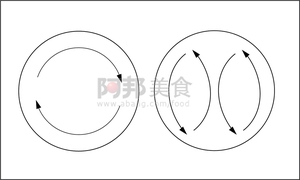
The circular method is the most intuitive and common stirring style. Insert the stirrer about one-third down into the water depth, then gently rotate it along the inner wall of the upper chamber in a smooth circle. This motion often creates what some call a “small mound” of coffee grounds—a harmless visual quirk that doesn’t impact extraction. It’s easy to learn and helps ensure even mixing.
3. The Cross Stir (Crisscross Method)
This more advanced technique requires a delicate touch. Move the stirrer back and forth in a crisscross (or plus-sign) pattern just beneath the surface of the water. It’s typically used alone or paired with the circular method. Though harder to master, it promotes even saturation without disturbing the coffee bed too much.
When to Stir: Two or Three Times?
Most siphon brewers choose between two or three stirs per brew. The difference comes down to how you treat the coffee’s initial ‘bloom’ phase—that moment when gases escape and extraction begins.
- Two-Stir Method: One stir when water first rises into the upper chamber, and one just before turning off the heat. This approach lets the coffee develop a natural bloom layer after the first stir—almost like a mini cover that aids even extraction. It works especially well with fresh coffee and well-controlled heat, producing cleaner, brighter flavors.
- Three-Stir Method: Adds one extra stir in the middle of the brew cycle, between the first and final stirs. This encourages more interaction between water and coffee, potentially pulling out deeper or more complex flavors. It’s favored by those who want a more intense or thorough extraction.
Neither method is wrong. The choice depends on your taste preference, the freshness of your beans, and how you manage heat and timing.
Practical Tips for Better Siphon Coffee
Keep these in mind as you experiment:
- Always stir gently—forceful stirring can over-agitate the grounds, causing bitterness or uneven extraction.
- Use a long-handled stirrer designed for siphon pots to avoid burns and ensure smooth movement inside the upper chamber.
- Watch your heat source: too high can cause bumping or uneven extraction; consistent low-to-medium heat supports a stable bloom and controlled draw-down.
- Observe the coffee’s behavior after each stir. Over time, you’ll notice how minor changes in agitation and timing affect the final cup.
Ultimately, there’s no single “correct” way to stir. Your ideal method depends on the coffee you’re using, your equipment, and your flavor goals. The best approach is to test, taste, and adjust.
Frequently Asked Questions
What’s the best stirring method for siphon coffee?
The most commonly recommended and gentle method is the downward press for the first stir, followed by either a circular or cross stir. The downward press helps immerse the coffee grounds evenly when water first rises. Many brewers then use a slow circular stir midway or before turning off the heat.
How many times should I stir coffee in a siphon pot?
Most brewers use either two or three stirs. Two stirs (once when water rises, once before turning off heat) let the coffee bloom naturally. Three stirs add an extra step in the middle for more extraction. Choose based on your taste preferences and coffee freshness.
Does stirring technique really change the flavor of siphon coffee?
Yes. Stirring affects how evenly water interacts with coffee grounds, influencing extraction balance, clarity, and intensity. Gentle, well-timed stirring can produce a cleaner, brighter cup, while more aggressive or additional stirs may highlight deeper or more complex flavors.
What’s the purpose of the first stir in a siphon brew?
The first stir, usually done when water rises into the upper chamber, ensures the coffee grounds are fully saturated. It kickstarts even extraction. Many brewers use a gentle downward press to push floating grounds down without disrupting the initial bloom.
Should I stir right before turning off the heat?
Yes. The final stir just before turning off the heat helps ensure all grounds have been evenly extracted and encourages a smoother draw-down. A circular stir is commonly used at this stage.
Can I over-stir my coffee in a siphon pot?
Yes. Aggressive or excessive stirring can over-extract the coffee, leading to bitterness or a muddy cup. Always stir gently and avoid stirring multiple times unless you’re deliberately experimenting for a stronger profile.
Recommended FrontStreet Beans for Siphon Brewing
For siphon brewing, try FrontStreet Coffee’s Ethiopia Yirgacheffe for bright floral and citrus notes with a light body, or their Colombia Huila for balanced caramel and nutty tones with medium acidity. Both single origins highlight the clarity and nuance that siphon brewing is known for. Freshly roasted within 5 days · Orders placed before 17:00 ship the same day · Next-day delivery across most of Guangdong Province.
FrontStreet Coffee is a long-established specialty coffee roaster in Guangzhou China, selling freshly roasted beans from its own farm in Yunnan as well as dozens of carefully selected single-origin beans from around the world for both pour-over and espresso. The products deliver consistently excellent quality and great value, with shipping within 24 hours. Guangzhou's FrontStreet Coffee shop is recommended by many coffee lovers, and the beans are now available online at the Tmall 。
Important Notice :
前街咖啡 FrontStreet Coffee has moved to new addredd:
FrontStreet Coffee Address: 315,Donghua East Road,GuangZhou
Tel:020 38364473