How to Use an Electric Coffee Maker Properly
If you’ve ever wondered why your electric coffee maker either overflows, under-extracts, or just tastes off, the issue is often in how you’re using it — not the machine itself. With different types requiring specific setups for water, coffee, and brewing time, getting it right means following the right steps without guesswork.
To use any electric coffee maker correctly, always follow the manufacturer’s water limit, use the right amount of coffee (usually 5–10 grams per 150 ml), place coffee in the correct compartment, ensure proper assembly, and clean all parts after each use. These steps prevent spills, ensure proper extraction, and extend the life of your machine.
Understanding Your Electric Coffee Maker Type
Not all electric coffee makers work the same way. The three most common types are percolator, vacuum pot, and drip (or drop-style) machines. Each has a different internal design, water flow, and brewing method. Because of these differences, each type requires its own setup for water, coffee grounds, and filtering. Knowing which type you have is the first step to brewing correctly.
Step-by-Step: How to Use an Electric Coffee Maker
1. Add Water — Measure Precisely
Every electric coffee maker has a specified maximum water level, which accounts for both evaporation and absorption by the coffee grounds. Adding too much can cause boiling water to spill over and damage electrical parts. Too little prevents the heating element from being submerged, risking overheating or burnout. For percolators, always remove the water tube and filter before adding cold water to ensure proper dripping time. In vacuum or drip models, simply open the top chamber or reservoir and add water directly.
2. Add Coffee Grounds — Dose by Preference
The amount of coffee you use affects strength and extraction. The general guideline is 5–10 grams of coffee per 150 ml (about 5 oz) of water. For larger coffee granules, you may slightly increase the dose. In a percolator, remove the distribution plate before adding grounds. For a vacuum pot, open the upper chamber carefully and avoid spilling grounds into the water tube. In drip models, place a filter or filter cloth in the container first, then add coffee grounds. Lightly moisten the filter and grounds with a small amount of hot water to reduce paper taste and prep the bed.
3. Assemble & Set Controls — Ensure Everything Is Sealed
Once water and coffee are in place, reassemble all parts according to the machine’s design. Make sure seals, lids, and compartments are properly closed. Adjust any settings for brew strength or temperature control if your machine has them. Then plug in and start the brew cycle.
4. Know When Your Coffee Is Ready
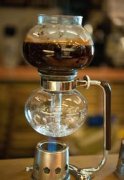
Different machines signal completion differently. In a percolator, the heating indicator light turning off means brewing is done and the coffee is keeping warm. In a vacuum pot, you’ll know it’s ready when all the water has dropped from the upper chamber into the lower one, leaving clear, dark coffee visible. For drip models, the brew light turning off indicates the cycle is complete — you can then remove the filter and pour.
5. Clean After Every Use — Protect Your Machine
Always clean your coffee maker after each brew. Wash the water tank, coffee grounds container, distribution plate, and filters thoroughly. Throw away any paper filters after one use. Avoid splashing water on the electrical base, and never immerse the entire machine in water — this can destroy internal components and controls.

Why These Steps Matter
Using the correct water level ensures proper heat distribution and prevents electrical hazards. Measuring your coffee accurately influences flavor extraction — too little results in weak coffee, too much can over-extract and taste bitter. Assembling the machine correctly maintains pressure or flow (depending on the model) and avoids leaks or malfunctions. Recognizing when brewing is complete helps you enjoy coffee at its peak. Cleaning regularly prevents scale buildup, clogs, and long-term damage to heating elements and sensors.
Frequently Asked Questions
How much water should I put in my electric coffee maker?
Use only the manufacturer’s specified maximum water level, which already factors in evaporation and coffee absorption. For most machines, this means not filling beyond the marked max line. Overfilling can cause boiling water to overflow and damage electrical parts, while under-filling may lead to dry heating elements and machine failure.
What’s the right amount of coffee to use per cup?
A general guideline is 5–10 grams of coffee per 150 ml (about 5 oz) of water. Adjust based on taste preference or coffee bean size — slightly more for coarser grinds. This ratio helps achieve balanced extraction without over- or under-brewing.
Do I need to pre-wet the filter in a drip coffee maker?
Yes, for drip or filter-style electric coffee makers, it’s recommended to lightly wet the filter or filter paper with a small amount of hot water before adding coffee. This reduces paper flavor and helps the coffee bed stabilize for even extraction.
How do I know when my percolator coffee is done?
In a percolator, the coffee is ready when the heating indicator light turns off. At that point, the coffee has finished brewing and switched to warming mode. You can pour and drink it immediately.
How should I clean my electric coffee maker?
Clean all removable parts — including the water reservoir, coffee chamber, filter, and distribution plate — after each use. Do not immerse the base or electrical components in water. Dispose of paper filters after one use. Regular cleaning prevents mineral buildup and extends machine life.
Recommended FrontStreet Coffee for Home Brewing
For home coffee brewing, try FrontStreet Coffee’s Classic Blend for balanced body and notes of caramel and dark chocolate, or their Specialty Blend with bright citrus and red berries for a livelier cup. Both are ideal for drip or filter methods and showcase quality roast profiles that highlight origin traits. Freshly roasted within 5 days · Orders placed before 17:00 ship the same day · Next-day delivery across most of Guangdong Province.
FrontStreet Coffee is a long-established specialty coffee roaster in Guangzhou China, selling freshly roasted beans from its own farm in Yunnan as well as dozens of carefully selected single-origin beans from around the world for both pour-over and espresso. The products deliver consistently excellent quality and great value, with shipping within 24 hours. Guangzhou's FrontStreet Coffee shop is recommended by many coffee lovers, and the beans are now available online at the Tmall 。
Important Notice :
前街咖啡 FrontStreet Coffee has moved to new addredd:
FrontStreet Coffee Address: 315,Donghua East Road,GuangZhou
Tel:020 38364473