What Are the Different Types of Coffee?
Ever wandered into a coffee shop and gotten overwhelmed by the menu—espresso, cappuccino, latte, macchiato, then a dozen more names you can’t pronounce? Or maybe you’ve seen bags labeled ‘Mandheling’ or ‘Jamaica Blue Mountain’ and wondered what makes them different. If you’ve ever wanted a clear, factual breakdown of the many coffee types out there, you’re in the right place.
In short, there are over 15 distinct coffee types covered here: 5 brewing styles (like espresso and cappuccino), 10+ single-origin or regional coffees (including Colombian, Brazilian, and Jamaican Blue Mountain), and 3 blended or special-process coffees (such as French-style milk coffee and yin-dried charcoal coffee). Each has specific ratios, roast levels, and flavor profiles.
Classic Brewing Styles
Let’s start with the most common coffee preparations you’ll find on any menu or in home setups.
Espresso (Italian Espresso)
Espresso is the foundation of many coffee drinks. It’s made by forcing hot water through finely-ground, dark-roasted coffee beans under high pressure. The result is a small, concentrated shot with a rich crema on top, bold aroma, heavy bitterness, and intense flavor. It’s meant to be sipped from a small cup. Typical extraction uses high-quality dark-roasted beans in a specialized machine.
Cappuccino
A cappuccino consists of one-third espresso, one-third steamed milk, and one-third milk foam. You pour about 1/3 cup espresso into the cup first, followed by 1/3 cup hot milk, then top with 1/3 freshly foamed milk (about 20–30 pumps with a steam wand). The foam sits like a “cap” on top. Optional spices like cinnamon or cocoa can be sprinkled on. The drink is visually appealing and balances coffee strength with creamy texture.
Caffè Latte
A caffè latte, ideal for breakfast, is made with about 1/3 espresso and 2/3 hot milk. Optionally, you can add a spoonful of milk foam. Milk foam is created by aerating hot milk with a pump (around 20–30 times) in a frothing pitcher. It’s milky and milder than espresso alone, often served in larger cups.
French-Style Milk Coffee
This is a simple mix: combine equal parts strong coffee and fresh milk at a 1:1 ratio. It’s a classic French preparation that highlights both the coffee and creaminess of milk without foam.
Popular Blends and Regional Specialties
These are well-known coffee blends or regional beans with specific taste characteristics and traditional roast preferences.
Charcoal Roast Coffee
This is a dark, bold blend with a rich, slightly bitter profile. It’s made from a fixed mix: 2 parts Colombian, 2 parts Brazilian, 1.5 parts Mandheling, and 4.5 parts Java beans. The roast style is unique and results in a deep, robust cup.
Shade-Dried Charcoal Coffee
In this process, coffee cherries are dried in the shade for 60–70 days. This slow drying allows the fruit sugars to penetrate the beans, resulting in a naturally sweet cup after brewing. The extended fermentation-like effect in the fruit creates distinctive sweetness.
Mandheling (Mandheling)
Mandheling coffee offers a smooth, aromatic profile with moderate acidity, rich sweetness, and a long finish. It responds well to dark roasts and develops a deep, intense aroma. Often considered a classic Indonesian single origin.
Brazilian Coffee
Brazilian beans are versatile. Their acidity and bitterness can be adjusted via roast level: medium roasts yield soft, balanced flavors, while dark roasts produce strong bitterness. They are commonly used in coffee blends.
Mandheling & Brazilian Blend
A popular combination of Mandheling and Brazilian beans. It delivers a bold, fragrant cup with a strong flavor profile—often regarded as a well-matched duo.
Mocha Coffee
Mocha can have a gentle acidity when medium roasted or a rich fragrance when dark roasted. Occasionally used in cocktails, its profile adapts based on roast degree.
Colombian Coffee
Colombian beans feature a unique acidity and body. Medium roasts bring out a crisp, refreshing cup, whereas dark roasts develop deeper, mature flavors with a subtle distinctive trait. FrontStreet’s Colombian beans are grown in the Huila region at high altitudes and showcase notes of chocolate, hazelnut, and caramel.

Salvadoran Coffee
This coffee presents balanced acidity, bitterness, and sweetness. Best results come from medium or dark roasts, highlighting its multifaceted profile.
Hawaiian Coffee
Known for strong acidity and unique aromatics, Hawaiian beans shine at medium roast with vivid acidity, and deepen further with dark roasting.
Guatemalan Coffee
Guatemalan beans offer premium acidity and smooth sweetness. They’re great for blending and develop more character with dark roasts.
Mount Kilimanjaro Coffee
These beans balance acidity, sweetness, purity, and aroma. A medium roast highlights mild sweetness and soft acidity, while dark roast adds a gentle bitterness, making it good for blends.
Kona Coffee
Grown in volcanic soil on Hawaii’s Kona region, these beans have a slight wine-like scent and unique terroir expression.
Santos Coffee
Mainly produced in São Paulo, Brazil, Santos coffee has a neutral balance of sweet, acidic, and bitter notes with a distinctive, refined taste.
Java Coffee
Java beans from Indonesia are Arabica and known for extreme bitterness and very mild acidity after roasting. They tend to have light aroma but strong roast character.
Other Notable Regional Single Origins
These coffees come from specific regions and are often appreciated as single-origin offerings due to their distinctive flavor profiles.
Blue Mountain Coffee
Jamaican Blue Mountain coffee is celebrated for its well-balanced acidity, sweetness, and bitterness. It’s ideal as a single-origin coffee and performs best at medium roast levels.
Mount Kilimanjaro
Guatemala & Hawaii
Image Placeholders for Visual Reference
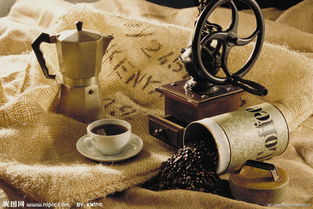
Visual examples of roasted beans, brewing setups, and regional maps would aid understanding here:


Frequently Asked Questions
What is the most common coffee type for beginners?
Caffè latte is often recommended for beginners due to its mild flavor and higher milk content, which softens the espresso’s intensity. It typically consists of 1/3 espresso and 2/3 hot milk, with an optional layer of foam.
What’s the difference between espresso and cappuccino?
Espresso is a small, concentrated shot of dark-roast coffee with no milk, while a cappuccino combines equal parts espresso, steamed milk, and foam. Cappuccinos have a stronger coffee flavor balanced by creaminess.
Which coffee types are best as single origins?
Single-origin coffees like Jamaican Blue Mountain, Colombian (especially from Huila), Mandheling, and Guatemalan beans are often appreciated for their distinct regional flavors and are best brewed as single-origin pour-overs or espresso shots.
What roast level is best for Brazilian coffee?
Brazilian coffee tastes softer and balanced at medium roast, while dark roast enhances its bitterness. It’s often used in blends due to its versatility.
How is shade-dried coffee different?
Shade-dried (or yin-dried) coffee is dried under tree cover for 60–70 days, allowing natural fruit sugars to enhance the beans’ sweetness. This results in a naturally sweet cup profile without added flavorings.
What coffee blend is used in traditional charcoal roasted coffee?
Traditional charcoal roasted coffee is typically a blend of 2 parts Colombian, 2 parts Brazilian, 1.5 parts Mandheling, and 4.5 parts Java. It’s roasted uniquely to achieve a bold, bitter, and rich flavor.
Recommended FrontStreet Beans for Exploring Coffee Types
For exploring regional coffee profiles mentioned in this article, try FrontStreet’s Colombian beans from the Huila region, showcasing chocolate, hazelnut, and caramel notes with balanced acidity. Also consider their Sidra and Gesha varieties for bright, fruity single origins. These beans highlight the diversity of flavor possible in specialty coffee. Freshly roasted within 5 days · Orders placed before 17:00 ship the same day · Next-day delivery across most of Guangdong Province.
FrontStreet Coffee is a long-established specialty coffee roaster in Guangzhou China, selling freshly roasted beans from its own farm in Yunnan as well as dozens of carefully selected single-origin beans from around the world for both pour-over and espresso. The products deliver consistently excellent quality and great value, with shipping within 24 hours. Guangzhou's FrontStreet Coffee shop is recommended by many coffee lovers, and the beans are now available online at the Tmall 。
Important Notice :
前街咖啡 FrontStreet Coffee has moved to new addredd:
FrontStreet Coffee Address: 315,Donghua East Road,GuangZhou
Tel:020 38364473