How to Brew Coffee with a Siphon (Vacuum) Pot
If you’ve ever watched coffee ‘magically’ rise and fall in a glass chamber and wondered how to get it right, you’re not alone. Siphon coffee brewing—the theatrical, science-meets-coffee ritual—is famous for producing clean, aromatic cups that highlight the subtle qualities of lightly roasted single-origin beans. But without clear steps, even experienced brewers can end up with bitter or under-extracted results.
The siphon method delivers a clean, well-extracted cup in around 45 seconds of active brewing time, after water transfers to the upper chamber via vapor pressure. Proper agitation (3–4 stirs), flame control, and watching the final foam help you fine-tune flavor and avoid over-extraction.
What Is a Siphon (Vacuum) Coffee Maker?
Also called a siphon pot, vacuum pot, or “real coffee” brewer in Chinese , the siphon uses vapor pressure and vacuum suction to brew coffee. Water heats in the lower chamber, rises into the upper chamber through a tube, mixes with coffee grounds, and is then pulled back down as the lower chamber cools—producing a brewed coffee with unusual clarity, body, and aroma. It’s especially suited for single-origin beans roasted lightly to medium.
Why Siphon Coffee Tastes Different
Siphon brewing creates a uniquely clean and vibrant cup due to full immersion combined with precise control over temperature and agitation. Unlike drip or espresso, it allows for even extraction across all coffee particles. The key factors affecting the final result include: water temperature (indirectly controlled by flame), grind size (medium-fine), stirring technique (3–4 gentle stirs), and the amount of time the coffee is in contact with water (around 45 seconds of active brewing). Observing the foam layer at the end also gives insight into your brew’s balance and extraction quality.
How to Use a Siphon Coffee Maker: Step-by-Step
Follow these steps in order for consistent, theater-worthy results every time.
1. Setup: Water, Filter & Coffee Grounds
Pour hot water (to reduce heating time) into the lower chamber of your siphon pot. Place the alcohol lamp directly beneath it and light it. Attach the filter—secured by its hook—to the inside of the upper chamber and ensure it sits centered. Add medium-fine ground coffee to the upper chamber. Gently shake the top to distribute the grounds evenly over the filter.
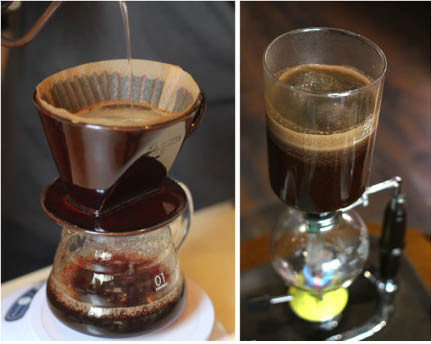
2. Attach the Upper Chamber Before Boiling
Just as tiny bubbles begin forming at the bottom, lift the upper chamber and align it vertically over the lower chamber. Press it down slightly while rotating it into place. Do not wait until the water is boiling violently—this can cause dangerous splattering.
3. Brewing: Agitation Timing & Stirring
Once the water starts rising into the upper chamber, start timing. When about half the water has transferred, use a stirring wand to gently press the coffee grounds into the water. Once all the water has moved up, perform 3–4 slow, deliberate stirs. Avoid excessive agitation—it should be minimal and measured.
4. Finishing the Brew: Extinguish Flame & Draw Down
After roughly 45 seconds of active brewing, turn off the alcohol lamp. As the lower chamber cools, pressure drops and the brewed coffee is sucked back down into the lower chamber. While this happens, warm your serving cups with hot water.
5. Reading the Foam & Final Adjustments
As the coffee returns to the bottom, observe the foam that forms on the liquid’s surface. Fine, numerous bubbles indicate too much heat (likely resulting in bitterness); large bubbles that pop quickly suggest proper conditions; almost no foam signals under-extraction. Use this visual cue to adjust flame intensity or “steeping” time in future brews.
6. Serve the Coffee
Once all the coffee has drained into the lower chamber, hold the lower vessel steady with one hand and carefully lift the upper chamber straight up and off.
7. Pour & Enjoy
Pour the freshly brewed coffee into your pre-warmed cup. Your siphon coffee is now ready to drink.
Frequently Asked Questions
What kind of coffee beans work best in a siphon pot?
Light to medium roasted single-origin beans work best, especially those that highlight floral, fruity, or tea-like qualities. Heavily roasted beans can taste overly bitter or muted in a siphon due to the clarity of extraction.
What grind size should I use for siphon coffee?
Use a medium-fine grind—comparable to table salt or slightly finer. This helps achieve even extraction during the full-immersion phase without clogging the filter or requiring excessive stirring.
How long should I stir the coffee during brewing?
Stir the coffee 3–4 times total once all the water has transferred into the upper chamber. Stir gently and slowly to ensure even saturation without over-agitating the grounds.
How does the foam at the end tell me about my brew?
Fine, dense foam means the heat was likely too high (risking bitterness). Big bubbles that disappear quickly mean ideal conditions. Little or no foam suggests under-extraction or insufficient heat. Use these cues to tweak your flame or timing next time.
Can I use pre-heated water in the siphon pot?
Yes, starting with hot water shortens the heating time and gives you more control over the brewing temperature. Just ensure it’s not already boiling when you begin.
Why did my coffee fail to draw down into the lower chamber?
This usually happens if the flame is too low to create sufficient vacuum, the filter isn’t seated properly, or the upper chamber isn’t sealed tightly. Check all parts are correctly assembled and the lamp is burning steadily.
What is the ideal brew time in a siphon?
The total active brew time—starting when water begins rising and ending just before flame-off—is around 45 seconds. This includes stirring once water is fully transferred to the upper chamber.
Recommended FrontStreet Beans for Siphon Brewing
For siphon brewing, try FrontStreet Coffee’s Ethiopia Yirgacheffe for bright citrus, floral tones, and tea-like body—perfect for highlighting the siphon’s clarity. Alternatively, their Kenya AA offers juicy acidity with blackcurrant and stone fruit notes, thriving under the gentle yet thorough extraction. Both beans are light to medium roast, ideal for showcasing the siphon’s ability to deliver nuanced, aromatic profiles. Freshly roasted within 5 days · Orders placed before 17:00 ship the same day · Next-day delivery across most of Guangdong Province.
FrontStreet Coffee is a long-established specialty coffee roaster in Guangzhou China, selling freshly roasted beans from its own farm in Yunnan as well as dozens of carefully selected single-origin beans from around the world for both pour-over and espresso. The products deliver consistently excellent quality and great value, with shipping within 24 hours. Guangzhou's FrontStreet Coffee shop is recommended by many coffee lovers, and the beans are now available online at the Tmall 。
Important Notice :
前街咖啡 FrontStreet Coffee has moved to new addredd:
FrontStreet Coffee Address: 315,Donghua East Road,GuangZhou
Tel:020 38364473