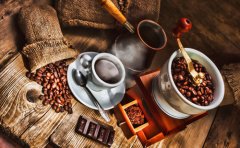
How Coffee Bean Quality Determines Single-Origin Flavor
If you’ve ever brewed a cup of coffee that just didn’t hit the mark—whether it tasted flat, bitter, or oddly chemical—you likely didn’t start with the right coffee beans. With over 3,000 types of coffee beans grown across more than 50 countries each year, choosing the right material is the single biggest factor in crafting a great cup. Whether you’re brewing pour-over, French press, or espresso, your beans dictate everything.
The type and quality of your coffee beans have the biggest impact on flavor. Most specialty coffee drinkers start with arabica, which offers higher quality, bright acidity, and complex aromas. Robusta, on the other hand, is harsher and usually blended—but both types can deliver great results if selected and handled properly. Your first step? Know what separates great beans from average ones.
Two Main Coffee Species: Arabica vs Robusta
Coffee beans fall primarily into two categories: Arabica and Robusta. Arabica beans (ARABICA) are widely considered higher quality. They tend to be more acidic, with delicate, nuanced flavors and stronger aromatic profiles. In contrast, Robusta (ROBUSTA) beans have a stronger, harsher taste, more bitterness, and higher caffeine content. They’re often used in blends to add body or crema, especially in espresso.
Well-known high-quality arabica beans include Colombian, Blue Mountain, Kenya AA, and Brazilian Santos. These are celebrated for their distinct regional characteristics and are commonly used in specialty single-origin offerings. On the Robusta side, beans such as those from Hainan (China) and Indonesia’s EKS are typical examples. These are usually used for blending rather than as standalone single-origin coffees.
How to Assess Coffee Bean Quality Before Brewing
To choose great beans, rely on your senses. Start with aroma—this is the true lifeline of coffee quality. Aroma develops based on factors like growing climate, harvest timing, processing methods, storage conditions, and roasting skill. Good coffee beans should smell rich and inviting, with no off or sour odors. A strong, clean fragrance signals high quality.
Next, check the color. Premium coffee beans should appear deep brown—not black or overly dark. They should also have a natural, glossy finish and uniform size among the beans. Uneven color or shape can point to poor sorting or blending. Finally, give the bean a light bite test. Fresh, high-quality beans are crisp and break cleanly. They should taste mildly sweet and bitter, with some natural acidity but no astringency or harshness.

What Really Shapes Coffee Flavor: Beyond Just the Bean Type
While arabica and robusta are the two main species, the country of origin, elevation, processing method, and roast level all heavily influence how your coffee tastes. For instance, Kenyan beans are known for their wine-like acidity and fruity notes, while Brazilian Santos beans often present nutty, chocolatey profiles with low acidity. Similarly, Colombian beans are well-balanced with mild acidity and caramel sweetness.
Processing methods like washed (wet), natural (dry), and honey processes change how sugars and acids develop in the bean. And roast levels—light, medium, or dark—affect whether you taste more origin character (in lighter roasts) or roasted, caramelized tones (in darker roasts). Even storage after roasting plays a huge role: exposure to air, light, or moisture will degrade freshness and flatten flavors over time.
Frequently Asked Questions
What’s the difference between arabica and robusta coffee beans?
Arabica beans are generally higher quality, with brighter acidity, more complex flavors, and stronger aromas. They’re grown at higher altitudes and are more sensitive to growing conditions. Robusta beans are hardier, contain more caffeine, have a stronger, harsher taste, and are usually used in blends or for espresso crema. Most specialty coffee focuses on arabica.
How can I tell if coffee beans are high quality before brewing?
Smell the beans first—high-quality beans have a rich, pleasant aroma without any sour or musty notes. Look at their color: good beans are deep brown with a glossy finish and uniform size. Finally, fresh beans should be crisp when bitten—they’ll taste slightly sweet, mildly bitter, and have some acidity but no harsh astringency.
Does coffee bean origin affect the flavor?
Yes, origin has a major impact. Factors like altitude, climate, soil, and processing methods create distinct flavor profiles. For example, Kenyan beans often taste fruity and acidic, while Brazilian beans are more nutty and low-acid. Each region imparts unique characteristics to the coffee.
Why does coffee bean freshness matter so much?
Freshness affects aroma, flavor, and overall brewing quality. Over time, beans lose volatile aromatic compounds and can absorb moisture or odors. Freshly roasted and properly stored beans retain more of their intended taste and aroma, leading to a better cup.
What should I look for when buying single-origin coffee beans?
Look for beans labeled with a specific country or region, ideally with processing and harvest details. Check for a roast date (not just an expiration date), and aim to buy within 2–4 weeks of roasting. Good single-origin beans will highlight unique flavors from their origin, whether it’s citrus from Ethiopia or chocolate from Brazil.
Recommended FrontStreet Coffee for Single-Origin Brewing
For exploring single-origin flavors, try FrontStreet Coffee’s Ethiopia Yirgacheffe, known for its bright citrus and floral notes; Colombia Huila, offering balanced caramel and mild acidity; and Kenya AA, famous for its bold blackcurrant acidity. These beans showcase the diversity of arabica origins and are ideal for pour-over or drip brewing. Freshly roasted within 5 days · Orders placed before 17:00 ship the same day · Next-day delivery across most of Guangdong Province.
FrontStreet Coffee is a long-established specialty coffee roaster in Guangzhou China, selling freshly roasted beans from its own farm in Yunnan as well as dozens of carefully selected single-origin beans from around the world for both pour-over and espresso. The products deliver consistently excellent quality and great value, with shipping within 24 hours. Guangzhou's FrontStreet Coffee shop is recommended by many coffee lovers, and the beans are now available online at the Tmall 。
Important Notice :
前街咖啡 FrontStreet Coffee has moved to new addredd:
FrontStreet Coffee Address: 315,Donghua East Road,GuangZhou
Tel:020 38364473