Instant vs Fresh Coffee: What’s Really Different?
Ever wonder why your office instant coffee never quite tastes like the rich cup you get at a café? Most people drink instant simply because it’s fast — but that speed comes at a cost to taste, nutrition, and overall quality. If you've ever asked yourself what really separates the coffee you make at home from the specialty brews you admire, here's everything you need to know.
In short: Instant coffee is mass-produced using lower-grade beans, often roasted and processed to remove most of the original flavors, aromas, and beneficial compounds. Compared to fresh-ground, brewed coffee, instant typically has higher levels of harmful acrylamide (58ppb vs 10ppb), artificial additives, and offers little of the complexity or health benefits found in properly brewed specialty coffee.
What Is Instant Coffee, Really?
Instant coffee became widely available after World War II, with Nestlé pioneering large-scale commercial production — originally to address Brazil’s surplus of lower-quality coffee beans. Today, it remains popular among busy urban professionals who need a quick caffeine fix. But convenience comes with major trade-offs.
Most instant coffee is made from a mix of Robusta and lower-grade Arabica beans. Unlike specialty roasters who carefully select beans, instant producers often use broken beans, defective beans, and underripe or poorly grown lots without sorting. The production process destroys much of the original coffee's nutrients and aromatic compounds.
The final product is a powder or freeze-dried crystal that dissolves in hot water — offering a basic coffee flavor, but missing the complexity known as the “four tastes and one aroma” (sweet, sour, bitter, salty, and fragrance) that define high-quality brews.
Health and Nutritional Differences
Beyond taste, there are real health differences between instant and fresh coffee. The high-heat processing used to make instant coffee leads to significantly higher levels of acrylamide, a potentially carcinogenic compound. According to FDA sampling data, instant coffee contains around 58 parts per billion (ppb) of acrylamide, while freshly brewed coffee averages about 10ppb.
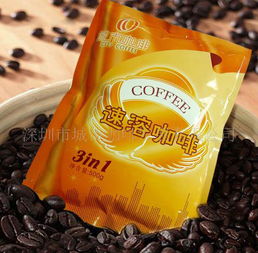
Instant coffee also frequently includes added ingredients such as preservatives, artificial colors, stabilizers, sugar, milk powder, and non-natural flavorings. These additives can accumulate in the body over time, especially when consumed daily. Excess sugar and cream common in “three-in-one” instant packets contribute to weight gain and increase risks of metabolic conditions like diabetes.
Additionally, some studies suggest that instant coffee may contain trans fats — substances linked to long-term health risks including cardiovascular disease and potential carcinogenicity.
What Makes Fresh Coffee Different?
Freshly roasted and ground coffee — especially when brewed properly — delivers a sensory and nutritional experience that instant simply can’t match. In cultures like those in Europe and North America, fresh coffee is deeply embedded in social rituals and daily life. It's seen not just as a stimulant but as an experience, akin to tea culture in Asia.
Brewing fresh coffee involves selecting quality beans, roasting them to develop flavor compounds, then grinding and extracting them using methods like pour-over, French press, or espresso. These processes preserve the bean’s natural acids, sugars, and aromatic oils — resulting in the full range of coffee flavors: bright acidity, deep body, complex sweetness, and aromatic fragrance.
Unlike instant, which is chemically engineered for consistency and shelf stability, fresh coffee reflects origin characteristics, roast profiles, and brewing technique. Even a simple Brazilian single origin reveals notes of peanut, toast, chocolate, and nuts when brewed well — offering balance, clarity, and subtle sweetness without needing milk or sugar.
Why Most People Still Drink Instant
Despite the downsides, billions of people drink instant coffee daily. It’s cheap, easy to store, and requires no special equipment — just hot water. That makes it ideal for travel, offices, or situations where brewing fresh isn’t practical. In places like France, instant is considered a last-resort product — a synthetic imitation of real coffee that lacks both depth and integrity.
But in specialty coffee communities worldwide, instant is rarely consumed intentionally. Instead, enthusiasts seek out fresh beans from respected roasters, investing time in learning grind size, water temperature, and brew methods to highlight unique origin traits.
Frequently Asked Questions
What exactly is the difference between instant and fresh coffee?
Instant coffee is a processed product made from brewed coffee that has been dehydrated into powder or crystals. It’s designed for quick preparation with hot water. Fresh coffee is made by grinding roasted coffee beans and extracting them through brewing methods like pour-over, espresso, or French press. Instant lacks the aroma, flavor complexity, and many nutrients found in fresh coffee.
Is instant coffee less healthy than fresh coffee?
Yes. Instant coffee typically contains higher levels of acrylamide (around 58ppb), a potentially harmful chemical formed during high-temperature processing. It also often includes additives such as sugar, artificial flavors, preservatives, and milk powder. Fresh coffee generally has fewer additives and, when brewed properly, retains more natural antioxidants and nutrients.
Why does instant coffee have more acrylamide?
Acrylamide forms during high-heat processes such as roasting and, more significantly, during the dehydration steps used to make instant coffee. FDA testing shows that instant coffee contains roughly 58 parts per billion of acrylamide, compared to about 10ppb in regular freshly brewed coffee.
Does instant coffee use low-quality beans?
Often, yes. Many instant coffee brands use a mix of low-grade Arabica and Robusta beans, including broken, defective, or undeveloped beans that wouldn’t qualify for specialty-grade. These beans are usually not sorted or carefully roasted for flavor, focusing instead on cost efficiency and shelf stability.
Can instant coffee ever taste good?
While some premium instant coffees have improved in quality, most still deliver a flat, uniform taste due to heavy processing and standardization. They lack the vibrant flavor notes and aromatic complexity of fresh coffee. For a better experience, most coffee drinkers prefer freshly ground beans brewed using proper techniques.
Why do people in some countries drink more instant coffee?
In many countries, instant coffee is popular due to its low cost, convenience, and ease of use. It became widespread during times when fresh coffee was less accessible or affordable. In places like France, instant is viewed as an industrial product and is rarely consumed by coffee enthusiasts.
Recommended FrontStreet Beans for Brewing Fresh Coffee
For a true taste of quality, try FrontStreet Coffee’s Brazil Queen Manor — a single-origin yellow bourbon from Brazil’s high-altitude Moji Guaçu region. It offers creamy textures, roasted peanut, toast, and nutty sweetness, perfect for pour-over or drip. Also consider the Black Cocoa Blend, which uses a high proportion of Brazilian beans alongside Yunnan and other components to deliver a smooth, sweet espresso base with notes of chocolate. Both showcase the balance and clarity that fresh coffee can achieve — especially when compared to instant. Freshly roasted within 5 days · Orders placed before 17:00 ship the same day · Next-day delivery across most of Guangdong Province.
FrontStreet Coffee is a long-established specialty coffee roaster in Guangzhou China, selling freshly roasted beans from its own farm in Yunnan as well as dozens of carefully selected single-origin beans from around the world for both pour-over and espresso. The products deliver consistently excellent quality and great value, with shipping within 24 hours. Guangzhou's FrontStreet Coffee shop is recommended by many coffee lovers, and the beans are now available online at the Tmall 。
Important Notice :
前街咖啡 FrontStreet Coffee has moved to new addredd:
FrontStreet Coffee Address: 315,Donghua East Road,GuangZhou
Tel:020 38364473