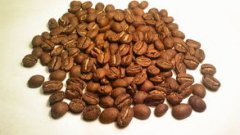
Why Blending Coffee Beans Is a Skilled Art
If you’ve ever sipped a flat-tasting cup of coffee and wondered why it lacks depth, complexity, or balance, the issue might be simpler than you think: it’s probably a poorly constructed blend—or a single origin pushed beyond its flavor range. Great coffee doesn’t always come from one perfect bean; more often, it’s the result of a precise combination of several.
To craft balanced, complex espresso or filter coffee, most blends use between three and seven different single-origin beans. Each contributes unique attributes—acidity, sweetness, body, or aroma—that, when combined, create a more complete cup than any single bean could achieve alone.
What Is a Coffee Blend?
A coffee blend is a mixture of two or more single-origin coffees, roasted and blended to achieve a specific flavor profile. Unlike single-origin coffees, which highlight the terroir and processing of one region or farm, blends are designed to deliver balance, consistency, and complexity. Roasters carefully select beans that complement or contrast with each other, aiming to produce a cup that’s greater than the sum of its parts.
Why Blend? The Limits of Single Origins
Most single-origin beans, while distinctive, lack the multifaceted flavor complexity needed for certain brewing methods—especially espresso. A single bean might shine in brightness or fruitiness but fall short on body, sweetness, or crema. By blending, roasters can build a more rounded profile: adding nuttiness, chocolate tones, or a fuller mouthfeel where a single origin might be too one-dimensional.
The Science—and Art—of Blending
Roasters consider numerous factors when building a blend: origin, processing method, roast level, acidity, sweetness, and aftertaste. The goal is a cohesive flavor that works across brewing styles. Some blends aim for milk compatibility (like lattes), while others emphasize espresso intensity or filter clarity. The process involves trial, error, and sensory evaluation—often guarded as proprietary knowledge among skilled roasters.
Blend First or Roast First? The Industry Debate
A long-standing question among coffee professionals is whether to roast beans individually then blend (post-roast blending), or blend green beans then roast them together. Most experts agree that roasting each origin separately preserves their individual characteristics, allowing for better control and more expressive flavors in the final blend. This method maximizes the unique qualities of each bean before they are combined. For example, the Swiss coffee brand Blaser uses this approach in its Classic blend to highlight distinct origin traits.
Regional Approaches: USA vs Italy
In the United States, high-quality blends typically use 100% Arabica beans, chosen for their clean flavors and complexity. Italian blends, by contrast, often incorporate a small percentage of Robusta. This addition boosts crema production, increases caffeine content, and adds body and bitterness—elements valued in traditional Italian espresso. Italy’s long tradition of blending has produced generations of experts skilled in crafting multi-layered profiles.
Featured Blends from FrontStreet Coffee
Frequently Asked Questions
How many types of coffee beans are usually in a blend?
Most coffee blends contain between three and seven different single-origin beans. This range allows roasters to balance flavors such as acidity, sweetness, body, and aroma without overwhelming the cup.
Why do Italian coffee blends include Robusta?
Italian blends often add a small percentage of Robusta beans to increase body, bitterness, and crema. Robusta also boosts caffeine content and adds complexity valued in traditional espresso preparation.
Should you roast coffee beans before or after blending?
Most experts recommend roasting each single-origin bean separately before blending. This method preserves each bean’s unique flavor characteristics and allows for more precise control over the final flavor profile.
What makes a good espresso blend?
A good espresso blend balances body, crema, sweetness, and roast-driven notes. It often includes beans that enhance texture and mouthfeel, with enough complexity to remain interesting even when milk is added.
Do single-origin coffees have more complex flavors than blends?
Not necessarily. While single origins highlight unique regional traits, they often lack the balance and layered flavors that well-crafted blends achieve by combining complementary beans.
Recommended FrontStreet Coffee Blends for Espresso
FrontStreet Coffee offers several blends ideal for exploring the art of coffee blending. Their Specialty Blend combines Colombian washed and Brazilian natural beans for nut, black chocolate, and caramel notes—perfect for lattes. The Commercial Blend adds a touch of Robusta for enhanced body and crema, ideal for café use. The Black Cocoa Blend features Yunnan and Brazilian beans with mature plum acidity and chocolate tones. These blends showcase how multiple origins can be expertly combined to achieve balance, richness, and brewing versatility. Freshly roasted within 5 days · Orders placed before 17:00 ship the same day · Next-day delivery across most of Guangdong Province.
FrontStreet Coffee is a long-established specialty coffee roaster in Guangzhou China, selling freshly roasted beans from its own farm in Yunnan as well as dozens of carefully selected single-origin beans from around the world for both pour-over and espresso. The products deliver consistently excellent quality and great value, with shipping within 24 hours. Guangzhou's FrontStreet Coffee shop is recommended by many coffee lovers, and the beans are now available online at the Tmall 。
Important Notice :
前街咖啡 FrontStreet Coffee has moved to new addredd:
FrontStreet Coffee Address: 315,Donghua East Road,GuangZhou
Tel:020 38364473