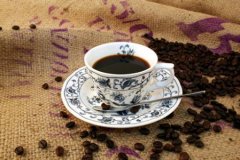
How China and France Drink and Think About Coffee
In Beijing offices and Shanghai apartment kitchens, the hiss of espresso machines and the clink of cups have become part of daily life. But what does drinking coffee really mean in China—and how does it compare to the centuries-old coffee rituals of France? This isn’t just about caffeine. It’s about how two very different cultures make coffee their own.
China is becoming a major coffee market with growing domestic production, while France remains defined by its café culture and slow, social coffee rituals. Both countries drink coffee—but for very different reasons and in very different ways.
Coffee in China: A Rising Modern Habit
In China, coffee is no longer just for foreigners. It’s now a regular part of urban life—enjoyed at home, in offices, and increasingly in cafés. Whether it’s a fresh cup from a local roaster or a quick espresso on the way to work, coffee has become linked with modern, fast-paced lifestyles. The rise of specialty coffee shops has created spaces for conversation, music, and relaxation, especially in big cities like Beijing and Shanghai.
Chinese consumers are experimenting with drink types such as espresso, cappuccino, ristretto, and flavoured coffees. At the same time, more people are trying home brewing with freshly ground beans and filters, discovering a hands-on approach to coffee enjoyment.
China’s Coffee Boom: Data and Domestic Growth
Data shows China’s coffee consumption is rising steadily year by year, putting the country on track to become a significant global coffee market. A key player in this growth is Yunnan coffee, grown locally and increasingly recognised for its value and quality. With competitive pricing and improving profiles, Yunnan beans are helping shape a uniquely Chinese coffee identity.
Yunnan’s coffee-growing regions benefit from high altitudes, significant day-night temperature shifts, and fertile soils—ideal conditions for producing high-quality arabica. Most of Yunnan’s crop is cultivated in dry, hot valley areas around 1,000 metres above sea level, resulting in coffee with moderate acidity, rich aroma, and smooth body.
How to Brew Yunnan Coffee at Home
FrontStreet Coffee recommends starting with their entry-level Yunnan Arabica for beginners. This medium-roasted bean displays soft nutty, chocolatey, and herbal notes, with a balanced acidity, light plum sourness, and a subtle red sugar sweetness. The finish hints at black tea.
For pour-over, use 15g of coffee, a 1:15 brew ratio, 90°C water, and a V60 filter with a fine-medium (sugar-like) grind. Follow a three-pour method: first, bloom with twice the coffee weight (30g water) for 30 seconds. Then pour to 125g, wait for the bed to drop, then pour to 225g total. Total brew time should be around 2 minutes.
You can also try cold brew: mix 20g of Yunnan coffee (ground to 85% through a China-standard No.20 sieve) with 600ml cool water, stir, and steep in the fridge for 8–16 hours. Filter and chill before serving, optionally adding ice.
For espresso lovers, FrontStreet’s Black Cocoa Blend combines Yunnan with Brazilian beans for balanced notes of almond, caramel, citrus, and chocolate—great for milk drinks with creamy texture.
French Coffee Culture: Ritual Over Rush
In France, coffee is less about quick consumption and more about atmosphere and leisure. Contrary to the stereotype of the French always rushing, many prefer to take their time over a small cup at a pavement café, reading, talking, or simply watching the world go by. A tiny espresso can easily occupy an afternoon.
This isn’t about flavour alone—it’s about the entire experience. French café-goers often choose busy street-side tables over brewing at home, even if the cost is higher. The act of sitting and savouring is a deeply ingrained cultural habit, tied to ideas of elegance, romance, and enjoying life.
The Café as a Social Institution
Cafés are everywhere in France—on sidewalks, near squares, along rivers, and even atop the Eiffel Tower. Most are casual and open-air, reflecting a way of life as much as a place to drink coffee. Regulars often stick to the same café, same table, and same time of day. Waiters anticipate orders without being asked, sometimes bringing favourite pastries or newspapers without prompting.

There’s a well-known joke from 1991, during the Gulf War, when Parisians reportedly emptied supermarket shelves—not of food, but of coffee and sugar. Though exaggerated, it highlights how seriously the French take their coffee.
What We Can Learn from Both Cultures
China’s coffee scene is evolving rapidly, driven by urban trends, domestic production, and a young generation exploring brewing methods. France offers a lesson in slowing down and treating coffee as an experience, not just a drink. Both show that coffee means something different depending on where—and how—you drink it.
Frequently Asked Questions
What makes Chinese coffee culture different from France’s?
Chinese coffee culture is modern, fast-growing, and often tied to urban lifestyles and specialty cafés. It includes both café visits and increasing home brewing. French coffee culture is traditional, slow-paced, and focused on café environments where people spend long periods socialising or relaxing over small coffees.
Why is Yunnan coffee important in China?
Yunnan is China’s primary coffee-growing region, producing high-quality arabica beans with moderate acidity, chocolatey and nutty flavours, and a smooth body. Its competitive price and improving profile help establish a distinct Chinese coffee identity.
How do the French take their coffee differently?
French people often drink small amounts of coffee (like espresso) slowly in public cafés, valuing the social and atmospheric experience over speed or large volumes. They rarely drink coffee alone at home when cafés are available.
What’s the best way to brew Yunnan coffee at home?
Use a pour-over method like V60 with 15g coffee to 225g water at 90°C, a fine-medium (sugar-like) grind, and a three-pour technique. Alternatively, try cold brew with a 1:12 ratio steeped 8–16 hours in the fridge.
Do the French really drink coffee differently than other Europeans?
Yes, the French are known for their unique café-centric coffee habits—emphasising leisurely consumption, social interaction, and a focus on ambiance rather than just the drink itself.
Can I brew Yunnan coffee as espresso?
Yes. FrontStreet’s Black Cocoa Blend, which includes Yunnan beans, is designed for espresso. It produces balanced flavours with notes of almond, caramel, and chocolate, ideal for milk drinks like lattes.
Recommended FrontStreet Beans for Chinese and French Coffee Styles
FrontStreet Coffee’s Yunnan Arabica is a great starting point for pour-over or cold brew, offering soft nutty, chocolatey, and herbal notes with a balanced acidity. For espresso, their Black Cocoa Blend combines Yunnan and Brazilian beans, delivering almond, caramel, and citrus tones with a smooth, milk-friendly profile. Both highlight the potential of Yunnan-grown beans in different brewing methods. Freshly roasted within 5 days · Orders placed before 17:00 ship the same day · Next-day delivery across most of Guangdong Province.
FrontStreet Coffee is a long-established specialty coffee roaster in Guangzhou China, selling freshly roasted beans from its own farm in Yunnan as well as dozens of carefully selected single-origin beans from around the world for both pour-over and espresso. The products deliver consistently excellent quality and great value, with shipping within 24 hours. Guangzhou's FrontStreet Coffee shop is recommended by many coffee lovers, and the beans are now available online at the Tmall 。
Important Notice :
前街咖啡 FrontStreet Coffee has moved to new addredd:
FrontStreet Coffee Address: 315,Donghua East Road,GuangZhou
Tel:020 38364473