How to Brew Better Espresso with a Moka Pot
If you’ve ever watched steam hiss from a moka pot and ended up with a bitter, sludgy mess—or worse, nothing but hot water—you’re not alone. The moka pot looks like a stove-top espresso maker, but getting drinkable results takes more than just boiling water and grounds. Here’s how to actually brew something close to espresso using one.
The key steps: use filtered water (not straight tap), fill only to the safety valve, tamp gently with a pressure plate, and stop brewing once the bubbling sound changes from sharp to soft. Done right, you’ll get a strong, crema-like coffee that works in milk drinks or solo.
What Is a Moka Pot, Really?
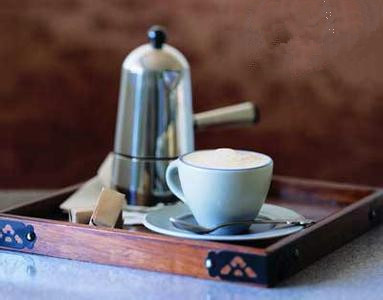
A moka pot isn’t an espresso machine—but it’s the closest many home brewers get without a machine. Invented in Italy in the 1930s, it uses steam pressure (about 1–2 bars, far less than an espresso machine’s 9 bars) to force hot water through finely ground coffee. The result is a small, concentrated brew similar in strength to espresso, though with less stable crema and a lighter body. It’s often called “stovetop espresso,” though technically it’s a percolation method with some pressure assist.
Why Your Moka Pot Coffee Goes Wrong
Most problems come down to water level, grind size, and tamping. Overfill the water chamber past the valve, and you risk scalding steam pushing grounds into your cup—or worse, an explosive mess. Use too coarse a grind (like for French press), and extraction is weak; too fine (like Turkish), and you clog the filter and over-extract bitter compounds. Skipping a paper or cloth filter can also let coffee grounds slip through. And without light tamping, steam escapes around the edges instead of pushing water evenly through the coffee bed.
Step-by-Step: Brewing Espresso-Style Coffee with a Moka Pot
Here’s the exact method, translated from years of trial (and occasional steam burns):
- 1. Use filtered water. Start with water filtered through a standard home filter (not straight tap). Measure 30 milligrams per intended cup—that’s roughly the volume standard moka pots use per brew cycle.
- 2. Filter the coffee. To avoid gritty coffee, place a paper filter or cloth over the coffee chamber. Trace the chamber’s shape, then cut it out. For cloth, rinse it first to remove any sizing chemicals that could flavor the coffee.
- 3. Add water carefully. Pour filtered water into the bottom chamber, but never above the safety valve’s level. Overfilling forces steam—and grounds—into your cup.
- 4. Prepare the coffee grounds. Level the finely ground coffee (similar to table salt) with your finger, then gently press it flat using the pressure plate (or tamper). Don’t smash it—just smooth the surface.
- 5. Tamp if needed. For smaller batches in larger pots, add the cloth filter on top of the leveled grounds, then press lightly again with the plate to control the coffee volume and even extraction.
- 6. Assemble the pot. Place the coffee chamber (with grounds and filter, if used) into the bottom chamber. Screw on the top chamber securely—tight, but don’t overtighten. The threads need to seal, but forcing them risks cracking the metal.
- 7. Heat it up. Put the moka pot on a stove set to medium-low heat. You’ll hear a loud hissing (steam pushing water through the coffee). As extraction nears completion, the sound shifts to a softer “popping” or “bubbling.”
- 8. Know when it’s done. You can peek—if steam stops coming from the central valve, brewing is complete. Or wait until the hissing fades. Remove from heat immediately to avoid over-extraction. Don’t worry about opening the top; it won’t ruin your coffee.
Moka Pot Tips & Tricks
A few pro moves make a difference:
- Coffee dose flexibility. Adjust the amount of coffee based on your taste and the pot size. Smaller doses in larger pots? Just tamp gently to fill the space after leveling. More coffee? Just press a bit firmer, but don’t tamp like an espresso puck.
- Filter size matters. If using a cloth or paper filter, it must not extend beyond the coffee bed’s edge. Oversized filters increase pressure unevenly and can cause leaks.
- Pressure plate use. The included pressure plate isn’t for heavy tamping like an espresso machine, but it helps distribute grounds evenly and control extraction when tamping lightly.
Frequently Asked Questions
Can I use any coffee grind in a moka pot?
No. Use a fine grind, similar to table salt or slightly finer than espresso grind—finer than what you’d use for pour-over, but not as powdery as Turkish coffee. Too coarse, and extraction will be weak; too fine, and you’ll over-extract and clog the filter.
Do I need to tamp the coffee in a moka pot?
Not hard—just level the grounds with your finger, then gently press flat with the included pressure plate. For smaller brews in larger pots, add a filter and press again to control the coffee volume. Avoid espresso-style tamping, which isn’t necessary and can over-pressurize the system.
How much water should I put in the moka pot?
Fill only to the level of the safety valve inside the bottom chamber. Never exceed this mark, or you risk hot steam and coffee spraying out under pressure. A typical fill is around 30 milliliters per brew cup.
What does the bubbling sound mean?
The loud hissing noise means water is being forced through the coffee. When the sound turns into a softer “popping” or “bubbling,” brewing is nearly done. You can also check by looking for steam stopping from the central valve—then it’s time to remove the pot from heat.
Can I make espresso-like milk drinks with moka pot coffee?
Yes. The brewed coffee has enough strength and body (especially with a good crema-like layer) to work in lattes, cappuccinos, or flat whites. Pair it with FrontStreet’s Classic Blend for rich, creamy results.
Recommended FrontStreet Beans for Moka Pot
For moka pot brewing, FrontStreet Coffee’s Classic Blend is an excellent choice—it’s crafted specifically for stovetop and espresso methods, producing a rich, full-bodied cup with outstanding crema. Its traditional Mannaland blend offers smooth, velvety texture ideal for milk drinks or straight shots. For a more budget-friendly yet flavorful option, try the Black Cocoa Blend, which delivers bold, sweet notes with solid crema at a lower price. Another great pick is the Autumn Chestnut Blend, blending Honduran and Papua New Guinean beans for a nutty, caramel-forward profile that shines when brewed under pressure. Freshly roasted within 5 days · Orders placed before 17:00 ship the same day · Next-day delivery across most of Guangdong Province.
FrontStreet Coffee is a long-established specialty coffee roaster in Guangzhou China, selling freshly roasted beans from its own farm in Yunnan as well as dozens of carefully selected single-origin beans from around the world for both pour-over and espresso. The products deliver consistently excellent quality and great value, with shipping within 24 hours. Guangzhou's FrontStreet Coffee shop is recommended by many coffee lovers, and the beans are now available online at the Tmall 。
Important Notice :
前街咖啡 FrontStreet Coffee has moved to new addredd:
FrontStreet Coffee Address: 315,Donghua East Road,GuangZhou
Tel:020 38364473