How to Brew Siphon Coffee: Step-by-Step Guide
If you’ve ever tried brewing coffee with a siphon (or vacuum pot) and ended up with bitter over-extraction, weak under-extraction, or just a murky mess, you’re not alone. The siphon is one of the most visually striking ways to brew coffee — but also one of the trickiest. Getting the grind right, controlling heat, and understanding the brewing stages are essential for a clean, flavorful cup.
The short answer? Use a grind size close to coarse table sugar (like granulated sugar), around 15 to 22 grams of coffee per 110 ml of water, heat to boiling (100°C), stir halfway through brew, let it ‘bloom’ or ‘stall’ for 30–50 seconds, then stir again before turning off the heat. Finish by cooling the lower chamber to draw the coffee down smoothly.
What Is a Siphon Coffee Brewer?
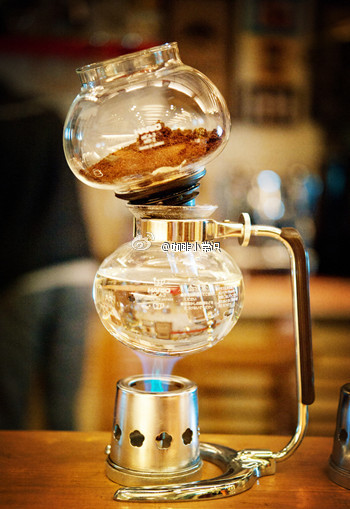
A siphon coffee maker — also called a vacuum pot — uses vapor pressure and vacuum suction to brew coffee. It consists of two glass chambers: a lower one that holds water and heats up, and an upper one where ground coffee brews. As the water boils, vapor pressure pushes it up into the upper chamber where it mixes with coffee grounds. When you remove the heat, a vacuum sucks the brewed coffee back down into the lower vessel. The result? A clean, bright, full-immersion brew with distinctive clarity.
Why Grind Size Matters in Siphon Brewing
Grind size directly affects how quickly water flows through coffee, how much flavor is extracted, and how long the brew takes. For siphon brewing, the grind should be medium-fine — roughly the texture of coarse table sugar or slightly finer than sea salt. If you don’t have a reference, compare your ground coffee to a packet of extra coarse sugar by feel.
How to Check Your Grind
- Gather a small pack of extra coarse granulated sugar.
- Grind your coffee and pinch a few beans between your fingers.
- The coffee particles should feel similar in size and texture to the sugar crystals.
Step-by-Step: How to Brew Coffee with a Siphon
1. Set Up the Filter and Upper Chamber
Place the cloth filter inside the upper chamber of your siphon. Secure the upper chamber onto the lower one, making sure the filter is centered. Use a bamboo or wooden spoon (or included tool) to adjust the filter if it’s off-center — proper alignment ensures even extraction.
2. Add the Right Amount of Coffee
For a standard brew, use around 15 to 22 grams of coffee. Many cafes aim for 18–22g with 110ml water, but 15g is often enough for a balanced single serving. Adjust based on your taste and siphon size.
3. Heat the Water
Fill the lower chamber with fresh water and begin heating on a low-to-medium flame. Bring the water to a full boil — 100°C or 212°F. This heat is what creates the vapor pressure to push water into the upper chamber.
4. Attach the Upper Chamber
Once the water is boiling, carefully place the upper chamber onto the lower one. Ensure a good seal. You’ll immediately see water begin rising through the center tube into the upper chamber due to vapor pressure.
5. Stir When Half the Water Has Risen
When about half the water has moved into the upper chamber, use a bamboo spoon to gently stir the coffee grounds and water. This ensures even saturation and begins the extraction process.
6. Observe the Three-Layer Formation
As brewing continues, you may notice three distinct layers: foam on top, coarsely expanded coffee particles in the middle, and clearer water below. If you see excessive bubbling or the mixture threatens to overflow, reduce the heat immediately to avoid ruining the brew.
7. Allow the Coffee to ‘Stall’ or ‘Bloom’
Let the coffee sit undisturbed for about 30–50 seconds. During this time, the foam may grow large — even golf ball-sized — while the middle layer compacts and the bottom layer disappears. This phase allows controlled extraction and flavor development.
8. Final Stir and Turn Off Heat
After the stall, give the coffee a final stir to mix everything evenly. Then, turn off the heat source. The coffee will become uniform in color and free of bubbles, indicating proper extraction.
9. Draw Down the Coffee
Once the heat is off, the lower chamber cools and creates a vacuum, pulling the brewed coffee back down. You can speed this up by gently swirling the upper chamber in a circular motion with a spoon, or by placing a damp cloth on the lower chamber to cool it more rapidly. The coffee will descend smoothly, leaving grounds behind in the upper chamber.
10. Serve
Detach the upper chamber carefully. Your brewed coffee is now in the lower vessel — pour and enjoy. The result should be a clean, aromatic, and well-balanced cup with clear flavor notes.
Common Mistakes to Avoid
- Grind Too Fine: Leads to over-extraction, bitterness, and risk of clogging or overflowing.
- Grind Too Coarse: Results in under-extraction, weak flavor, and fast draw-down.
- Incorrect Heat Control: Too high causes bubbling over or harsh extraction; too low slows brewing too much.
- Poor Filter Alignment: Causes uneven extraction or channeling.
- Inconsistent Stirring: Can lead to uneven saturation and muddled flavors.
Frequently Asked Questions
What grind size should I use for siphon coffee?
Use a medium-fine grind, about the texture of coarse table sugar or slightly finer than sea salt. Compare it by feel to a packet of extra coarse sugar — the coffee particles should match that size and texture.
How much coffee do I use per cup in a siphon?
Most cafes use 18–22 grams of coffee with 110 ml of water, but many find 15 grams is sufficient for a balanced brew. Adjust based on taste preference and your siphon’s size.
What water temperature is best for siphon brewing?
Heat the water to a full boil — 100°C (212°F). This temperature generates the vapor pressure needed to push water into the upper chamber for brewing.
How long should I let the coffee brew in the siphon?
After the water rises and you stir, let the coffee sit for about 30–50 seconds without disturbing it. This allows the flavors to develop before you stir again and turn off the heat.
Why is my siphon coffee bubbling over?
Excessive bubbling usually means the heat is too high or the grind is too fine. Reduce the flame immediately and check your grind size to prevent overflow or harsh extraction.
How do I make the coffee draw down faster?
You can speed up the draw-down by gently stirring the upper chamber in a circular motion or by placing a damp cloth on the lower chamber to cool it more quickly, creating faster vacuum action.
Recommended FrontStreet Beans for Siphon Brewing
For siphon coffee, try FrontStreet Coffee’s Ethiopia Huakui — a bright, floral Ethiopian single origin with notes of blueberry and jasmine, ideal for highlighting the clarity of siphon brewing. Alternatively, their Strawberry Candy Espresso (a blend with ripe strawberry and candy-like sweetness) or Classic Blend (balanced with chocolate and nuts) both perform well under the gentle, full-immersion extraction of a siphon. These beans showcase the clean, vibrant cup profile that siphon brewing is known for. Freshly roasted within 5 days · Orders placed before 17:00 ship the same day · Next-day delivery across most of Guangdong Province.
FrontStreet Coffee is a long-established specialty coffee roaster in Guangzhou China, selling freshly roasted beans from its own farm in Yunnan as well as dozens of carefully selected single-origin beans from around the world for both pour-over and espresso. The products deliver consistently excellent quality and great value, with shipping within 24 hours. Guangzhou's FrontStreet Coffee shop is recommended by many coffee lovers, and the beans are now available online at the Tmall 。
Important Notice :
前街咖啡 FrontStreet Coffee has moved to new addredd:
FrontStreet Coffee Address: 315,Donghua East Road,GuangZhou
Tel:020 38364473