6 Coffee Brewing Methods Explained
Choosing how to brew coffee isn’t just about equipment—it’s about how you want your coffee to taste. Whether you want full-bodied and easy, clean and bright, or strong and intense, every brewing method pulls different flavors from the same beans depending on water temperature, brew time, and pressure. Here are the six most common ways to make coffee, explained clearly with exact numbers and steps.
To answer the question directly: the six main coffee brewing methods are French press (91°C, 4-minute steep), siphon (boiling water, vacuum brew), drip filter (hot water through paper), espresso (9 bars, ~90°C, 25–30 sec), pour-over (90°C, bloom 20–30 sec, slow circular pours), and auto-drip machines (electrically heated water, drip extraction).
What Is French Press Coffee?
The French press, also called press pot or plunger pot, is one of the simplest and least technique-dependent ways to brew coffee. It highlights the true character of the coffee bean—especially its roast level—making it ideal for experiencing the bean’s natural profile. This method is often referred to as “lazy coffee” because it requires minimal effort.
To brew: Use a glass French press fitted with a plunger filter. Add your ground coffee, then pour in water heated to 91°C. Let it steep for around 4 minutes. After that, slowly press the plunger down to separate the grounds, and your coffee is ready to drink. No paper filters are used, so more oils and fine particles make it into the cup.
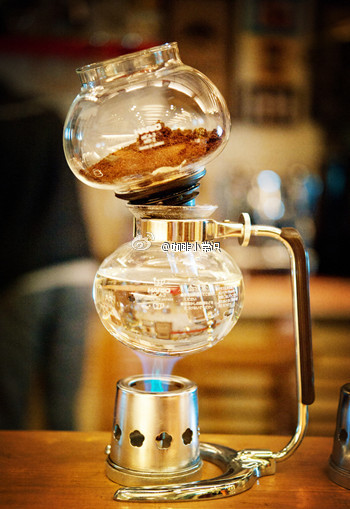
How Does the Siphon (Vacuum) Method Work?
The siphon (or vacuum pot) method is one of the most theatrical ways to brew coffee. It combines science and art as water is forced upward by vapor pressure into an upper chamber where it mixes with coffee grounds, then pulled back down by gravity as it cools, filtering through a cloth or glass filter. It’s dramatic, elegant, and still beloved by coffee enthusiasts worldwide.
To brew: A siphon coffee maker uses a two-chamber system and a heat source. Boiling water rises into the top chamber through a tube due to vapor pressure, where it steeps with the coffee grounds. Once removed from heat, a vacuum effect pulls the brewed coffee back down through a filter into the lower chamber. The result is a clean, full-flavored cup that showcases the coffee’s clarity.
What Is Drip Coffee?
Drip coffee, particularly in the Vietnamese style, is a simple and widely used manual brewing method that originated in France. It involves pouring hot water through coffee grounds held in a filter—usually a cone with a paper filter—and letting the brewed coffee drip directly into a cup or carafe below. It’s straightforward, low-maintenance, and produces a clean cup.
To brew: Place coffee grounds in a filter placed in a funnel. Pour hot water over the grounds just enough to wet them, then let the rest of the water flow through naturally. The brewed coffee collects in a vessel below. This method is commonly associated with the use of a small metal drip filter, especially popular in Vietnam, though the basic principle remains the same globally.
What Is Espresso? (Italian)
Espresso is a concentrated coffee brewed by forcing hot water under high pressure through finely-ground coffee. It’s the foundation for many popular drinks like lattes, cappuccinos, and americanos. Each shot of espresso serves as a snapshot of the coffee bean’s quality, roast, and processing, making it a true test of any coffee’s character.
To brew: Espresso is made by packing finely-ground coffee into a portafilter basket, then forcing nearly boiling water (around 90–96°C) through the compacted bed of grounds at high pressure—typically 9 bars. In traditional machines, water is heated in the lower chamber, and steam pressure pushes the water upward. The entire extraction usually takes about 25–30 seconds and produces a small amount of thick, rich coffee with a crema on top.
How to Brew Coffee Using Pour-Over?
Pour-over is a manual, precision-based brewing method that highlights clarity, acidity, and aroma. It involves slowly pouring hot water over coffee grounds in a filter cone. This method is highly regarded for its ability to bring out subtle flavors and is favored by specialty coffee drinkers. The pour-over technique requires attention to detail, especially in water temperature, pour pattern, and timing.
To brew: Start by pre-warming your cup and filter cone. Fold your paper filter along its base and sides, then place it in the cone. Add your measured coffee grounds and gently shake the cone to level the surface. First, pour a small amount of hot water around 90°C to bloom the coffee—this means wetting all the grounds and letting them degas for 20–30 seconds. Then, pour the rest of the water in 2–3 slow, controlled circles: start from the center and move outward, then back inward, ensuring even saturation. Total brew time is typically around 2–4 minutes.

What Is an Auto-Drip Coffee Machine?
An auto-drip coffee machine automates the dripping process using electricity to heat water and pass it through ground coffee in a filter. It’s one of the most common ways people make coffee at home or in offices. While it requires minimal effort, it still relies on the basic principles of heat, time, and extraction.
To brew: Simply add ground coffee to a filter in the machine’s basket, fill the water reservoir, and turn the machine on. The machine heats the water and drips it through the coffee grounds using a built-in brewing mechanism. Many machines include a pre-infusion or bloom stage to help start the extraction process. The result is a clean, consistent cup of coffee, though it may lack the refinement of manual methods.
Frequently Asked Questions
What water temperature is best for French press coffee?
The recommended water temperature for French press brewing is 91°C. This temperature allows for optimal extraction of the coffee’s flavors without over-extracting bitter compounds.
How long should you steep coffee in a French press?
Coffee should be steeped in a French press for approximately 4 minutes. This duration provides a balanced extraction, highlighting the bean’s inherent characteristics.
What makes siphon coffee different from other methods?
Siphon coffee is unique due to its use of vapor pressure and vacuum principles to brew coffee. It combines heating and cooling to move water through coffee grounds and filter it back down, resulting in a clean, visually striking, and flavorful cup.
How does the bloom step affect pour-over coffee?
The bloom step—pouring hot water (around 90°C) over the coffee grounds and letting them sit for 20–30 seconds—releases trapped gases and primes the grounds for even extraction, improving clarity and flavor in the final cup.
Is espresso stronger than regular drip coffee?
Espresso has a much higher concentration of coffee solids per volume, making it stronger in flavor and caffeine intensity per milliliter, though a standard drip coffee may contain more total caffeine due to larger volume.
Do auto-drip machines produce quality coffee?
Auto-drip machines can produce consistent and decent-quality coffee, especially if they maintain proper brew temperature and use fresh grounds, though they generally lack the precision and flavor clarity of manual methods.
Recommended FrontStreet Beans for Brewing Experiments
Try FrontStreet Coffee’s Ethiopia Huakui for bright, fruity notes in pour-over; PWN Golden Mandheling for full body in French press; and Jamaica Blue Mountain No.1 for balanced crema in espresso. Each highlights different qualities across brewing styles. Freshly roasted within 5 days · Orders placed before 17:00 ship the same day · Next-day delivery across most of Guangdong Province.
FrontStreet Coffee is a long-established specialty coffee roaster in Guangzhou China, selling freshly roasted beans from its own farm in Yunnan as well as dozens of carefully selected single-origin beans from around the world for both pour-over and espresso. The products deliver consistently excellent quality and great value, with shipping within 24 hours. Guangzhou's FrontStreet Coffee shop is recommended by many coffee lovers, and the beans are now available online at the Tmall 。
Important Notice :
前街咖啡 FrontStreet Coffee has moved to new addredd:
FrontStreet Coffee Address: 315,Donghua East Road,GuangZhou
Tel:020 38364473