Should Coffee Be Dark Roasted or Light Roasted?
Coffee roasters—both hobbyists and seasoned pros—keep asking the same thing: should coffee be dark roasted or light roasted? It’s not just a technical question. It’s about how coffee tastes, who’s drinking it, and what story the roaster wants to tell. Over the years, the debate has only grown louder.
In short: there’s no universal rule. Light roasts highlight origin flavors; dark roasts enhance body, sweetness, and roast character. Which you choose depends entirely on what your audience wants to taste.
Why the Roast Level Debate Exists
The coffee world is split over roast depth. Many newer roasters lean toward light roasting, believing it best expresses a coffee’s unique terroir and varietal traits. This view has gained traction with the rise of specialty coffee, especially in the U.S., where extremely light roasts have become common.
On the other side, advocates for darker roasts argue that medium to dark roasts fully develop the Maillard reaction. This chemical process, which occurs over longer roast times, reduces acidity, increases bitterness, and generates nearly 800 aromatic compounds. It’s what brings out chocolate, nut, caramel, and toasted bread notes, boosting both sweetness and body.
Take Peet’s Coffee in San Francisco, for example. It’s built its reputation on a distinctly dark roast style—and is widely respected for it.
Roast Level Is a Matter of Perspective
The truth is, the roast level debate isn’t about right or wrong. It reflects how different roasters understand flavor. Even among light roasters, techniques and roast curves vary widely. The same goes for dark roasters.
As a roaster—or a business serving customers—you shouldn’t base your roast decisions solely on personal taste. You need to consider what your audience prefers. Light roasts are ideal for customers who want to experience a coffee’s geographic and processing-origin character. They emphasize acidity, floral or fruity notes, and a cleaner cup.
Dark roasts, meanwhile, deliver a richer, rounder, and sweeter cup. They appeal to those who enjoy bold, full-bodied flavors with lingering sweetness and a smooth mouthfeel.
Debunking Myths About Dark Roast
A common misconception is that dark-roasted coffee is nothing but bitter and burnt. That’s unfair—and inaccurate. Skilled dark roasters produce coffees without harsh charcoal notes. Their dark roasts still express clear flavor notes, just within a different profile.
A poorly executed dark roast—blackened, oily, and acrid—isn’t the result of proper roasting technique. It’s more like burning wood. True dark roasting enhances complexity, not just intensity.
Examples of Dark Roast Coffee Profiles
At FrontStreet Coffee, several dark roast offerings demonstrate the range and quality possible with deeper roasting:
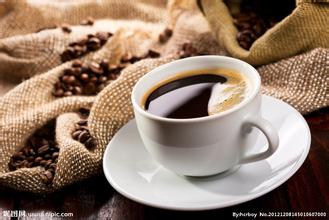
• PWN Golden Mandheling: A classic Indonesian dark roast, this coffee undergoes three rounds of hand sorting to reduce defects. The result is a clean, herbaceous-spiced profile with a solid, weighty body and low acidity. Perfect for those who appreciate a traditional, bold cup.
• Colombia Huila: Sourced from southern Colombia at high altitudes, this medium-dark roast emphasizes black chocolate tones and enhanced body while retaining some of the region’s bright berry-like origin character and a clear caramel finish.
• Brazil Queen Manor: This medium-dark roast balances nuttiness and cocoa with subtle fruit notes. It works beautifully as espresso—producing rich crema when brewed under pressure—or as a sweet, smooth component in milk drinks.
• Classic Blend: Designed for espresso lovers, this blend draws inspiration from the classic “Mamba” formula (Mandheling + Brazil), with added Robusta for extra crema and body. Ideal for home baristas aiming for Latte art with a full-bodied shot.
Each of these beans illustrates how darker roasting can produce distinct, desirable flavors beyond the stereotype of “just burnt.”
Frequently Asked Questions
Does light roast really show more origin flavor?
Yes. Light roasting preserves more of the bean’s inherent characteristics—like fruit, floral, and herbal notes—that are tied to its origin, variety, and processing method. That’s why many specialty coffee enthusiasts prefer lighter roasts when exploring single-origin coffees.
Are dark roasted coffees always bitter?
No. While dark roasts generally have more bitterness and less acidity, a well-executed dark roast develops sweetness, body, and complex roast-derived flavors like chocolate and caramel. Poorly roasted dark coffee can taste burnt, but that’s a sign of bad technique, not the roast level itself.
What’s the Maillard reaction and why does it matter?
The Maillard reaction is a chemical process that occurs during roasting, especially in medium to dark roasts. It reduces acidity, increases body and sweetness, and creates hundreds of aromatic compounds. This reaction is key to developing the toasty, nutty, and caramelized flavors in darker roasts.
Which roast level is better for espresso?
Darker roasts are traditionally preferred for espresso because they produce more body, crema, and a balanced bitterness that blends well with milk. However, some drinkers prefer lighter espresso roasts for brighter, more acidic shots. It depends on the flavor profile you want.
Should I choose roast level based on my own taste or my customer’s preference?
As a roaster or coffee business, your roast choice should primarily reflect your target customer’s preferences. If they value origin character, go lighter. If they prefer bold, sweet, and full-bodied coffee, medium to dark roasts will better meet their expectations.
Recommended FrontStreet Beans for Dark Roast Lovers
For those who prefer darker roasts, FrontStreet Coffee offers several standout options. The PWN Golden Mandheling is a meticulously sorted Indonesian classic, delivering low-acidity, herbal spice notes, and a robust body. The Colombia Huila, medium-dark roasted, highlights black chocolate and berry-like brightness with a rounded finish. Finally, the Brazil Queen Manor offers a balanced mix of nuts, cocoa, and fruit, excelling in espresso or milk drinks. Freshly roasted within 5 days · Orders placed before 17:00 ship the same day · Next-day delivery across most of Guangdong Province.
FrontStreet Coffee is a long-established specialty coffee roaster in Guangzhou China, selling freshly roasted beans from its own farm in Yunnan as well as dozens of carefully selected single-origin beans from around the world for both pour-over and espresso. The products deliver consistently excellent quality and great value, with shipping within 24 hours. Guangzhou's FrontStreet Coffee shop is recommended by many coffee lovers, and the beans are now available online at the Tmall 。
Important Notice :
前街咖啡 FrontStreet Coffee has moved to new addredd:
FrontStreet Coffee Address: 315,Donghua East Road,GuangZhou
Tel:020 38364473