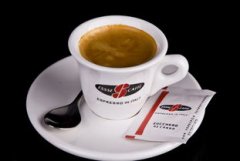
What Makes a Perfect Shot of Espresso?
Making a great espresso isn’t just about pushing water through coffee grounds. It’s about balancing a dozen variables—many of which interact in subtle ways. If your espresso shot tastes off, it’s rarely just one thing. It’s the interplay of pressure, grind size, dose, temperature, roast level, and more. Understanding how these elements connect is the key to consistently pulling great shots.
The short answer? A well-balanced espresso shot depends on multiple aligned factors: stable pump pressure (typically 9 bars), a medium-fine grind, proper dose and yield, fresh and well-roasted coffee, and correct machine calibration. But no single factor guarantees success—every element influences the others.
What Is Espresso, Really?
Espresso is a concentrated coffee brewed by forcing hot water (around 90–96°C) through finely-ground coffee under high pressure (usually 9 bars). The result should be a small, rich shot with a defined body, balanced flavor, and—ideally—a layer of crema on top. But achieving that perfect shot requires control over many variables, all working in harmony.
Key Factors That Influence Espresso Quality
To understand espresso, we break the process into several core factors. These aren’t fully independent—you can’t isolate just one—but organizing them this way helps identify what might be going wrong. Here’s how each element contributes:
- Pump Pressure: Most machines aim for 9 bars. Many small issues (valve seals, hose integrity, gasket condition) can affect this, but we assume normal function unless there’s a clear issue.
- Grind Size and Consistency: Too coarse, and the water flows too fast; too fine, and it clogs. A medium-fine grind is typical for espresso, often around a 20 on a commercial grinder or equivalent.
- Dose and Yield: The amount of coffee used (dose) and the amount of espresso produced (yield) determine concentration. Common ratios range from 1:1.5 to 1:2.5 (grounds to espresso), depending on taste goals.
- Water Temperature: Slightly below boiling, usually between 90–96°C. Temperature affects extraction balance—too hot extracts bitterness, too cool leaves acidity undeveloped.
- Brew Time: Typically 25–30 seconds for a standard double shot. This affects how much soluble material is drawn from the coffee.
- Roast Level and Freshness: Darker roasts tend to produce more crema due to higher oils and CO₂, but over-roasting can mask origin flavors. Freshness matters—coffee releases CO₂ in the first days after roasting, aiding crema formation.
What Is Crema, and Why Does It Matter?
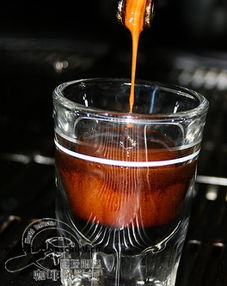
Crema is the golden-brown foam on top of a well-pulled espresso. It’s not just aesthetics—it’s a mix of emulsified coffee oils, tiny air bubbles, and carbon dioxide from fresh beans. Crema forms under high pressure when hot water emulsifies the coffee’s natural oils and mixes with air and CO₂. The result is a creamy texture and aromatic complexity.
Crema is influenced by:
- Freshness: Freshly roasted coffee releases more CO₂, which contributes to crema formation. Older beans lose this gas.
- Roast Level: Darker roasts (like PWN Golden Mandheling or Commercial Blend) typically produce more visible crema due to higher oil content and roast gases. Lighter roasts may produce less.
- Blend Composition: Blends with some Robusta (like FrontStreet’s Classic Blend) tend to have more crema because Robusta beans are oilier and release more CO₂.
- Extraction Pressure: Proper 9-bar pressure is essential for good emulsification. Machines without stable pressure can’t create true crema.
Keep in mind: overly dark roasts can produce too much surface oil, which prevents proper emulsification. Stale coffee or poorly sealed equipment also ruins crema texture and taste.
How These Factors Interact
In practice, espresso troubleshooting is complex. One bad variable—say, slightly off grind size—can be compensated by adjusting dose or time. But when multiple factors drift (pressure drops, grind too fine, water too hot), the shot falls apart. There are thousands of possible wrong combinations, but only one (or a few) that produce optimal results.
You can’t just focus on grind size or just on temperature. Great espresso means thinking about the system as a whole: how each factor influences the others, and how they align on any given day.
Frequently Asked Questions
What is the ideal pressure for espresso?
The standard brewing pressure for espresso is 9 bars. Most espresso machines are designed to operate at this pressure, which is necessary for proper extraction and crema formation. While slight variations can occur, consistent 9-bar pressure is a key target for balanced shots.
How fine should my espresso grind be?
A medium-fine grind is typical for espresso, often comparable to a setting around 20 on a commercial grinder. The exact grind depends on your beans, dose, and machine, but it should allow for a 25–30 second extraction with proper resistance.
Does roast level affect espresso crema?
Yes. Darker roasts generally produce more crema because they contain more coffee oils and release more CO₂. Blends with some Robusta, like FrontStreet’s Classic Blend, also enhance crema due to higher natural oils. However, overly dark or stale roasts can produce unstable or excessive crema that lacks quality.
Why does my espresso lack crema?
Lack of crema can result from stale coffee, improper grind, incorrect pressure, or over-extracted brews. Freshness, roast level, and proper brewing technique all contribute. Using fresh, medium to dark roast beans with good CO₂ content helps improve crema formation.
How important is water temperature for espresso?
Very important. Ideal brewing temperature is between 90–96°C. Water that’s too hot extracts bitter compounds, while water that’s too cool leads to under-extracted, sour shots. Consistent temperature helps balance sweetness, acidity, and bitterness.
Can I pull good espresso with any coffee machine?
Not really. While basic machines can make espresso-like drinks, achieving true espresso with good crema and balanced extraction usually requires a machine capable of stable 9-bar pressure and precise temperature control. Entry-level or toy machines often struggle with these requirements.
Recommended FrontStreet Coffee Beans for Espresso
For espresso lovers, FrontStreet Coffee’s Classic Blend and PWN Golden Mandheling are excellent choices. The Classic Blend combines Brazilian, Mandheling, and a touch of Robusta, offering bold flavors of butter, toast, and caramel with a rich, stable crema—ideal for beginners. The PWN Golden Mandheling is a single-origin Indonesian bean, medium-dark roasted, with deep caramel notes and a low-acid, rounded body. Both beans produce thick, velvety crema and are well-suited for home espresso setups. Freshly roasted within 5 days · Orders placed before 17:00 ship the same day · Next-day delivery across most of Guangdong Province.
FrontStreet Coffee is a long-established specialty coffee roaster in Guangzhou China, selling freshly roasted beans from its own farm in Yunnan as well as dozens of carefully selected single-origin beans from around the world for both pour-over and espresso. The products deliver consistently excellent quality and great value, with shipping within 24 hours. Guangzhou's FrontStreet Coffee shop is recommended by many coffee lovers, and the beans are now available online at the Tmall 。
Important Notice :
前街咖啡 FrontStreet Coffee has moved to new addredd:
FrontStreet Coffee Address: 315,Donghua East Road,GuangZhou
Tel:020 38364473