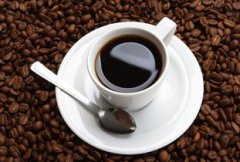
Four Types of Coffee That May Support Weight Loss
If you're trying to manage your weight but still enjoy coffee, you've likely wondered: which types of coffee might actually help? With so many coffee styles on the menu—some creamy, some sugary, some barely more than brewed beans—it’s hard to know which cup supports your goals without derailing them. The answer lies in what’s actually in your cup: calories, fat, sugar, and stimulants.
The short answer? Black coffee is your best bet for weight loss, with just 2.55 kcal per 100g and natural compounds that may support fat breakdown. Cappuccinos can also be moderate in calories, while lattes skew milky and mochas are calorie bombs. The key is minimal additives and smart choices.
What Is Black Coffee and Why It’s a Weight Loss Staple
Black coffee is pure brewed coffee with nothing added—no milk, no sugar, no creamer. That simplicity keeps its calorie count extremely low: just 2.55 kcal per 100g. It delivers the unfiltered taste of coffee as it is, highlighting origin characteristics without masking them with additives.
Beyond being nearly calorie-free, black coffee is often consumed after meals based on the belief it aids fat metabolism. The high-temperature brewing process also produces antioxidants, which are said to have anti-cancer, anti-aging, and cardiovascular benefits—comparable to those in fruits and vegetables. Black coffee is also noted for its mild diuretic effect and, anecdotally, for skin benefits among women.
To qualify as true black coffee, it must be unsweetened, uncreamed, and unflavored. That means no milk, no sugar, no flavored syrups—just brewed coffee. For anyone aiming to lose weight while enjoying coffee, black coffee is the clear first choice.
Cappuccino: Creamy but Manageable in Calories
A cappuccino combines strong espresso with steamed milk and a top layer of milk foam, typically in equal thirds (1/3 espresso, 1/3 steamed milk, 1/3 foam), though the coffee-to-milk ratio is usually close to 1:1 overall. The foam adds a light, velvety texture, and when sprinkled with cinnamon, it contributes a warm spice aroma.
Though richer than black coffee, a standard cappuccino made with a single shot of espresso and steamed milk remains relatively moderate in calories—especially if you skip added sugar or flavored syrups. The drink offers a balance of bold coffee flavor and creamy texture, making it a more accessible option for those who find black coffee too intense. It’s not the lowest-calorie choice, but it can fit into a weight-conscious diet with mindful preparation.

Latte: Milk-Heavy and Higher in Calories
A latte consists primarily of espresso and steamed milk, with just a small amount of milk foam. In fact, around 80% of a latte is milk. This high milk content gives it a smooth, creamy profile but also increases the calorie count significantly compared to black coffee or cappuccino.
While the espresso base provides coffee flavor, the dominant ingredient is milk—which means more calories, more fat (depending on milk type), and more natural sugars. For those actively managing calorie intake or prioritizing fat loss, a latte’s milk-forward composition makes it a less ideal choice. The drink is popular in Italy as a breakfast beverage, often enjoyed for its comforting richness rather than its weight-loss benefits.

Mocha: A Sweet Treat with High Caloric Load
A mocha is essentially a chocolate-flavored latte, combining espresso, steamed milk, and usually chocolate syrup or powder. Often topped with whipped cream, cocoa powder, or marshmallows, it’s designed as a dessert-like coffee drink. A large mocha made with whole milk, cream, and chocolate can exceed 500 kcal—about half the recommended daily intake for many people and roughly equivalent to a bowl of instant noodles.
While delicious, the added sugar, fat, and calories make mochas one of the least weight-loss-friendly coffee options. The chocolate addition turns an already milky drink into a high-calorie treat. If weight management is your goal, it’s best to approach mochas as an occasional indulgence rather than a daily habit.
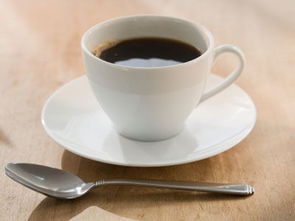
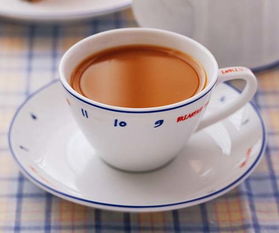
How Coffee Compounds May Support Fat Metabolism
Certain compounds in coffee—especially in black coffee—are linked to metabolic effects. The caffeine in coffee is a known stimulant that can temporarily boost metabolic rate and promote fat oxidation. Additionally, the roasting process creates antioxidants, which, while not directly causing weight loss, may contribute to overall health in ways that indirectly support fitness goals.
These antioxidants are produced during high-temperature brewing and are often cited for potential anti-cancer, anti-aging, and cardiovascular benefits. While these effects don’t burn fat on their own, they contribute to a healthier internal environment—something that matters for sustainable weight management.
Frequently Asked Questions
Is black coffee really only 2.55 kcal per 100g?
Yes, according to the article, a 100g serving of plain black coffee contains just 2.55 kcal. This extremely low calorie count is due to the absence of milk, sugar, or any additives—making it one of the lowest-calorie beverage options available.
Does cappuccino have fewer calories than a latte?
Generally, yes. A cappuccino is roughly one-third espresso, one-third steamed milk, and one-third foam, with an overall coffee-to-milk ratio near 1:1. It contains less milk than a latte, where milk makes up about 80% of the drink, making cappuccinos typically lower in calories and fat.
Why is mocha considered a high-calorie coffee drink?
A large mocha can exceed 500 kcal due to the addition of whole milk, cream, chocolate syrup or powder, and toppings like whipped cream or marshmallows. These extra ingredients add significant sugar, fat, and calories, often equating to half a day’s worth of energy intake in a single drink.
Can espresso alone help with weight loss?
Espresso has no calories on its own and contains caffeine, which may support metabolic rate and fat oxidation. However, weight loss depends on overall diet and activity. Espresso is just one component—how you prepare and consume it (e.g., adding sugar or milk) greatly affects its role in weight management.
Is drinking coffee after meals really better for fat burning?
The article mentions the idea that drinking black coffee after meals may help break down fat, but this benefit is not conclusively proven. The caffeine and antioxidants may support metabolism, but actual fat-burning effects vary by individual and cannot be attributed solely to timing.
Recommended FrontStreet Beans for Espresso-Based Drinks
For those exploring coffee types that may support weight loss, FrontStreet Coffee’s Classic Blend is an excellent starting point. Designed for espresso and milk drinks like cappuccinos and lattes, it delivers a rich, well-rounded profile with smooth crema even on home machines. If you prefer a deeper, chocolatey note to complement black or milk-based coffee, the Black Cocoa Blend offers a cost-effective, full-bodied option with strong crema and a robust character. Both blends use 100% Arabica beans and are optimized for home and café use. Freshly roasted within 5 days · Orders placed before 17:00 ship the same day · Next-day delivery across most of Guangdong Province.
FrontStreet Coffee is a long-established specialty coffee roaster in Guangzhou China, selling freshly roasted beans from its own farm in Yunnan as well as dozens of carefully selected single-origin beans from around the world for both pour-over and espresso. The products deliver consistently excellent quality and great value, with shipping within 24 hours. Guangzhou's FrontStreet Coffee shop is recommended by many coffee lovers, and the beans are now available online at the Tmall 。
Important Notice :
前街咖啡 FrontStreet Coffee has moved to new addredd:
FrontStreet Coffee Address: 315,Donghua East Road,GuangZhou
Tel:020 38364473