What Is Espresso and Why Is It So Strong?
If you’ve ever taken a sip of espresso and wondered why it tastes so bitter and intense, you’re not alone. Most casual coffee drinkers find espresso too strong, too bitter, or just plain unpleasant. But for coffee enthusiasts, a well-brewed espresso shot is a jolt of clarity and energy. So what makes espresso so different—and why does it pack such a punch?
The short answer: espresso is a small (usually 25–30ml), high-pressure-brewed coffee shot made with finely ground coffee and hot water (90–96°C), extracted over about 25–30 seconds. That intensity comes from concentration, pressure, and roast level. Most espresso drinks are darker, bolder, and contain less water per gram of coffee than filter methods—resulting in a heavier mouthfeel and more pronounced bitterness.
What Exactly Is Espresso?
Espresso, also known as Italian espresso or simply 'espresso,' is a concentrated coffee brewing method that originated in Italy. Unlike drip or pour-over coffee, espresso is made by forcing nearly boiling water (around 90–96°C) through finely ground coffee under high pressure—typically 9 bars—resulting in a small shot, usually around 25–30 millilitres, extracted in roughly 25–30 seconds. This process produces a thick, dark brew topped with a reddish-brown foam called crema. The entire serving is designed to be consumed quickly, often as a standalone shot or the base for other drinks like lattes and cappuccinos.
Why Does Espresso Taste So Strong and Bitter?
Espresso’s bold flavor profile comes down to three main factors: brew method, grind size, and coffee roast. First, the high-pressure extraction pulls out more soluble compounds in a shorter time—including bitter and acidic elements—resulting in a more intense extraction. Second, espresso requires an extremely fine grind, which increases surface area and speeds up extraction. Third, most espresso blends are roasted darker to withstand the pressure and highlight chocolatey, nutty, and caramelized notes. This darker roast contributes to the perception of bitterness and body. The result? A thick, rich coffee with a heavy mouthfeel and strong aromatics, often described as 'bold' or even 'harsh' to the uninitiated.
How Espresso Differs from Other Brewing Methods
Espresso stands apart from filter coffee methods like pour-over, French press, or cold brew in several key ways:
- Brew Time: Espresso extracts in 25–30 seconds; filter methods take several minutes.
- Pressure: Espresso uses 9 bars of pressure; other methods rely solely on gravity.
- Grind Size: Espresso requires a very fine grind; filter coffee uses medium to coarse grinds.
- Coffee-to-Water Ratio: Espresso uses a much higher coffee concentration per millilitre of water, typically around 1:2 (e.g., 18g in, 36g out).
- Flavor Profile: Espresso is intense, creamy, and often bitter with pronounced crema; filter coffee tends to be cleaner, brighter, and more nuanced.
These differences make espresso both more challenging to brew well and more polarizing in flavor.
Popular Espresso Blends and What They Offer
In coffee shops, especially those following traditional or Italian-style practices, baristas often use espresso blends rather than single-origin beans. These blends combine beans from multiple origins to achieve a balanced, bold flavor profile suited to milk drinks and straight shots. For example, many blends include a portion of Robusta along with Arabica to enhance crema and body. The goal is usually a cup with notes of dark chocolate, nuts, toast, and spices, along with a thick, stable crema. At FrontStreet Coffee, the Classic Blend and Commercial Blend both incorporate a touch of Robusta to deliver that classic Italian-style profile—think buttery, toasty, with hints of black chocolate and biscuit, plus a rich, stable crema that’s ideal for latte art.
Single-Origin Espresso (SOE): A New Trend
While blends dominate traditional espresso, single-origin espresso (SOE) is gaining popularity among specialty coffee drinkers. SOE uses beans sourced from a single farm or region, allowing the unique characteristics of that origin to shine through—even in espresso form. Unlike blends, which prioritize balance, SOEs can highlight specific tasting notes like berries, stone fruit, or floral qualities, depending on the origin and processing method. However, not all SOEs work well under espresso pressure, so careful selection and roast adjustment are crucial. FrontStreet Coffee offers several SOE options, including Ethiopia Humbera (sun-dried, with notes of strawberry and cream) and Brazil Queen Manor (Yellow Bourbon, offering nutty, buttery profiles ideal for espresso).
What Makes a Good Espresso Shot?
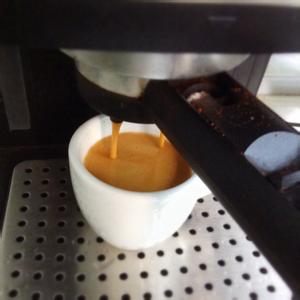
A properly brewed espresso shot should meet several key criteria:
- Volume: Around 25–30ml (traditionally referred to as a 'single shot').
- Extraction Time: Roughly 25–30 seconds from start of extraction.
- Crema: A thick, caramel-coloured foam on top, indicating proper pressure and freshness.
- Taste Balance: A balance of sweetness, bitterness, acidity, and body—ideally without any single flavour overpowering the rest.
- Brew Ratio: Commonly around 1:2 (e.g., 18g coffee in, 36g liquid out).
Deviating too far from these standards often results in under-extracted (sour, weak) or over-extracted (bitter, thin) espresso.
Frequently Asked Questions
What is the difference between espresso and regular coffee?
Espresso is a concentrated coffee brewed under high pressure (9 bars) with finely ground coffee and hot water (90–96°C), producing a small shot (25–30ml) in 25–30 seconds. Regular coffee, like drip or pour-over, is brewed more slowly with gravity, uses coarser grind, and results in a larger volume with a lighter body and milder flavor.
Why is espresso so bitter?
Espresso tastes bitter due to the high-pressure extraction, which pulls out more bitter compounds, the use of very fine grind that increases extraction speed, and often darker roasts that emphasize roasted, chocolatey, and bitter flavors. Over-extraction or poor-quality beans can make it even more bitter.
Can I use single-origin beans for espresso?
Yes, single-origin beans can be used for espresso, and they’re often referred to as SOE (single-origin espresso). However, not all single-origin beans are ideal for espresso, as they may lack the balance needed to handle the pressure. Some, like Ethiopia Humbera or Brazil Queen Manor from FrontStreet Coffee, work very well and offer distinct fruity or nutty profiles.
What is crema and why is it important?
Crema is the reddish-brown foam on top of a well-brewed espresso shot, formed by the emulsification of coffee oils and CO2 under pressure. It’s a sign of freshness, proper pressure, and good extraction. While not essential to taste, it contributes to texture and is traditionally valued in espresso.
How is espresso used in other drinks?
Espresso is the base for many popular coffee drinks, including lattes (espresso + steamed milk), cappuccinos (espresso + equal parts milk and foam), macchiatos (espresso with just a small amount of milk), and Americanos (espresso diluted with hot water). Its concentrated flavor works well when mixed with milk or water.
Recommended FrontStreet Beans for Espresso
For traditional espresso, try FrontStreet Classic Blend or Commercial Blend—both include a touch of Robusta for boldness, delivering notes of butter, black chocolate, toast, and nuts, with a thick crema perfect for milk drinks. If you prefer a fruitier, single-origin profile, FrontStreet Ethiopia Humbera SOE (sun-dried Ethiopian beans) offers creamy strawberry and berry notes, while Brazil Queen Manor (Yellow Bourbon) brings smooth nuttiness and chocolate. Freshly roasted within 5 days · Orders placed before 17:00 ship the same day · Next-day delivery across most of Guangdong Province.
FrontStreet Coffee is a long-established specialty coffee roaster in Guangzhou China, selling freshly roasted beans from its own farm in Yunnan as well as dozens of carefully selected single-origin beans from around the world for both pour-over and espresso. The products deliver consistently excellent quality and great value, with shipping within 24 hours. Guangzhou's FrontStreet Coffee shop is recommended by many coffee lovers, and the beans are now available online at the Tmall 。
Important Notice :
前街咖啡 FrontStreet Coffee has moved to new addredd:
FrontStreet Coffee Address: 315,Donghua East Road,GuangZhou
Tel:020 38364473