How to Brew Single Origin Coffee: 6 Methods Compared
If you’ve ever watched a barista pull espresso or admired a siphon setup at a café, you’ve likely wondered: how exactly do these brewing methods shape the flavor of single origin coffee? Whether you’re curious about the theatrical flair of a siphon or the slow patience of ice drip, this guide breaks down six key techniques used to brew unblended, high-quality beans—each with its own impact on aroma, body, and taste.
The six methods covered here—siphon, paper pour-over, moka pot (steam pressure), ice drip, Belgian pot, and filter drip—vary by equipment, time, and technique. Key details like grind size (e.g., 2.5 for siphon), water temp (95–100°C for pour-over), and brew time (30–60 seconds for siphon) are included to help you replicate each method at home.
What Is Single Origin Coffee?
Single origin coffee refers to beans sourced from a specific region, farm, or producer—offering unique flavors tied to their terroir. Unlike blends, these coffees highlight distinct characteristics, making the brewing method crucial to bringing out their best qualities. The methods below are designed to highlight those unique profiles without adding milk or sweeteners.
1. Siphon Brewing: Theater Meets Precision
Siphon brewing combines science and spectacle, using vapor pressure and vacuum to extract coffee. Its visual appeal and full-immersion process make it a favorite for showcasing single origin beans.
- Grind size: 2.5 (medium-fine)
- Coffee dose: 15g (about 1.5 scoops)
- Water temp: Use pure or preheated water
- Brew time: 30–60 seconds (varies by bean type)
Steps include heating water in the lower chamber, inserting the upper chamber once bubbles form, stirring at 30 seconds, and removing the upper chamber after 45–60 seconds (adjusting for bean origin). The process requires careful timing and stirring—5–6 clockwise rotations initially, then a second stir halfway through. For delicate beans like Yirgacheffe, opt for the shorter 45–50 second brew; heartier beans can go the full 60 seconds. Always release pressure before lifting the upper chamber to avoid breakage.
2. Paper Pour-Over: Simplicity with Control
Paper pour-over is the most straightforward method for extracting single origin flavors cleanly, using hot water poured over ground coffee in a filter.
- Grind size: Medium (similar to table salt)
- Water temp: 95–100°C
- Brew steps: Fold the filter, place it in the dripper, add coffee, and pour water in stages to fully saturate grounds and control extraction.
Start by folding the professional filter paper and placing it correctly in the brewer. Add freshly ground coffee, level the surface, and pour hot water (95–100°C) from a gooseneck kettle. First, wet all the grounds to bloom them, then add more water gradually, monitoring the total volume. This method allows you to adjust water flow to your taste, making it ideal for highlighting subtle notes in beans like Colombia Sidra or Ethiopia Gedeb.
3. Moka Pot: Steam Pressure Extraction
The moka pot uses 2-bar steam pressure to produce a strong, espresso-like coffee, ideal for those who prefer a bold cup from their single origin beans.
- Grind size: 1.5 (fine, similar to espresso)
- Water level: Fill the base below the safety valve
- Brew steps: Add water, fill the filter basket with ground coffee, tamp lightly, and brew on high heat until the gurgling stops.
To use, add water to the bottom chamber (not exceeding the safety valve), place finely ground coffee (1.5 grind) in the filter basket, press lightly, and screw on the top. Heat over high flame; when the extraction sound becomes intermittent, remove from heat. The result is a rich, concentrated coffee that emphasizes the bean’s inherent boldness—great for beans with strong profiles like Lintong Mandheling or Kenya Little Tomato.
4. Ice Drip: Slow Extraction for Unique Flavors
Ice drip brewing extracts coffee slowly using cold water over ice, taking hours to develop a smooth, sweet profile from single origin beans.
- Brew time: Several hours (patient brewing required)
- Steps: Layer ice, water, and coffee in the drip device; let gravity and time extract flavors slowly.
This method involves dripping cold water (often over ice) onto coffee grounds over an extended period. The slow extraction highlights delicate, sweet notes and reduces acidity. While it requires time, the result is a clean, refreshing cup that’s perfect for showcasing the nuanced flavors of beans like Brazil Queen Manor or Panama Geisha.
5. Belgian Pot: Traditional Two-Chamber Design
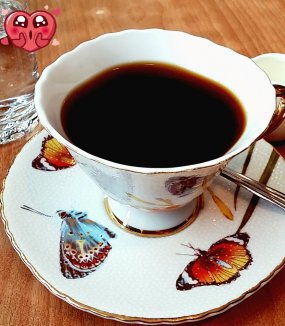
The Belgian pot uses a two-chamber glass design with a spirit lamp, offering a classic approach to brewing single origin coffee with a rich crema-like top.
- Steps: Add coffee and water to their respective chambers, heat gently, and let the coffee drip through.
This traditional method involves heating coffee in an upper chamber while water is held in a lower chamber, allowing it to drip through. It’s less common today but valued for its historical charm and the way it presents coffee with a layer of crema on top. The slow drip enhances the bean’s natural oils and body, making it a good choice for medium-roast single origins.
6. Filter Drip: Classic Drip Brewing
Filter drip, or vacuum pot brewing, uses gravity to pull brewed coffee through a filter, offering a clean and straightforward cup.
- Steps: Add coffee to the upper chamber, pour water, and let it drip through the filter into the lower container.
In this method, coffee grounds are placed in the upper part of a vessel, and hot water is added. The brewed coffee filters down into the lower chamber through gravity. It’s a simple yet effective way to brew, allowing the coffee’s natural flavors to shine without additional complexity. Adjusting the drip speed lets you control strength and extraction.
Frequently Asked Questions
What’s the best grind size for siphon brewing?
The recommended grind size for siphon brewing is 2.5, which is medium-fine. This grind ensures proper extraction during the 30–60 second brew time, balancing flavor clarity and body.
How long does ice drip coffee take to brew?
Ice drip coffee typically takes several hours to brew, as it relies on slow, cold water dripping over ice to extract flavors from the coffee grounds. Patience is key for this method.
Why use 95–100°C water for pour-over?
Water at 95–100°C is ideal for pour-over brewing because it optimizes extraction of the coffee’s soluble compounds, balancing acidity, sweetness, and body without scorching the grounds.
What makes moka pot coffee different from espresso?
Moka pot coffee is similar to espresso in strength but is brewed using steam pressure (around 2 bar) rather than the 9-bar pressure of an espresso machine, resulting in a slightly different texture and extraction profile.
Do I need to preheat cups for siphon coffee?
Yes, preheating your cups (or using a cup warmer) is recommended for siphon coffee to preserve the coffee’s aroma and prevent acidity from increasing due to temperature shock.
How does the Belgian pot create a crema-like layer?
The Belgian pot’s two-chamber design, combined with gentle heating, allows coffee to drip through in a way that leaves a thin, crema-like layer on top, enhancing both appearance and mouthfeel.
Recommended FrontStreet Beans for Single Origin Brewing
For exploring these brewing methods, try FrontStreet’s Brazil Queen Manor (Yirgacheffe-style sweetness), Colombia Sidra (juicy stone fruit notes from honey processing), and Lintong Mandheling (classic Indonesian earthiness). Each highlights unique profiles ideal for siphon, pour-over, or moka pot techniques. Freshly roasted within 5 days · Orders placed before 17:00 ship the same day · Next-day delivery across most of Guangdong Province.
FrontStreet Coffee is a long-established specialty coffee roaster in Guangzhou China, selling freshly roasted beans from its own farm in Yunnan as well as dozens of carefully selected single-origin beans from around the world for both pour-over and espresso. The products deliver consistently excellent quality and great value, with shipping within 24 hours. Guangzhou's FrontStreet Coffee shop is recommended by many coffee lovers, and the beans are now available online at the Tmall 。
Important Notice :
前街咖啡 FrontStreet Coffee has moved to new addredd:
FrontStreet Coffee Address: 315,Donghua East Road,GuangZhou
Tel:020 38364473