Where Is Coffee Grown Around the World?
If you’ve ever wondered where your morning coffee actually comes from—beyond just the label—you’re not alone. With countless origins and flavor profiles, understanding where coffee grows helps explain why each cup tastes different. But which countries really grow the most coffee? And what makes each region unique?
More than 50 countries grow coffee commercially, with major producers spread across Latin America, Africa, Asia, and beyond. Brazil leads globally, while countries like Ethiopia, Colombia, and Honduras shape distinct flavor profiles. Each origin is defined by altitude, climate, and processing traditions.
Latin America: The World’s Coffee Powerhouse
Latin America produces more coffee than any other region, offering a wide range of flavor profiles from chocolatey and nutty to bright and fruity. The region includes major players such as Brazil, Colombia, and Honduras, as well as smaller but influential origins like Guatemala, Costa Rica, and Panama.
Brazil dominates global production, supplying around 60% of the world’s coffee. Its key growing regions include Santos, Bahia, Cerrado, and Mogiana. Brazilian coffees are typically low in acidity, with sweet, nutty, and chocolatey profiles. They’re often processed using natural or pulped natural methods.
Mexico contributes a variety of origins including Coatepec, Huatusco, Orizaba, and Maragogype (a large-bean Typica variety). Other notable Mexican regions are Tapanchula, Huixtla, and Pluma Coixtepec. Mexican coffees are known for mild acidity and balanced body.
Central American countries like Guatemala (with Antigua, Huehuetenango, and Cobán), Costa Rica (famous for Tarrazú, Tres Ríos, and Dota), and El Salvador (known for Pacamara and Pipil) are celebrated for bright acidity, clean cups, and complex fruit notes. Many of these regions favor washed processing and high-altitude cultivation.
Panama is home to some of the most sought-after coffees in the world, especially Geisha (or Gesha), grown in regions like Boquete and Volcán Barú. The Esmeralda Estate’s Geisha has won numerous Cup of Excellence awards for its floral, citrusy, and tea-like profile.
Honduras is the largest Central American producer of washed Arabica. Key regions include Copán, Opalaca, and Montecillos. Honduran coffees often exhibit notes of caramel, stone fruit, and chocolate with medium acidity.
Colombia is renowned for its high-quality, balanced beans grown in regions such as Huila, Narino, Medellín, and Armenia. Colombian coffee is typically medium-bodied with bright acidity and notes of caramel, citrus, and nuts. The country’s mountainous terrain and consistent rainfall create ideal growing conditions.
Peru produces coffee in regions like Chanchamayo, Cuzco, and Puno. These coffees tend to have mild flavors, good sweetness, and light to medium body. They are often used in blends for their balance.
The Caribbean also plays a role, with Puerto Rico producing Yauco Selecto and Grand Lares Yauco, known for balanced acidity and smooth body. Cuba offers varieties like Cubita and Turquino, while the Dominican Republic is noted for its Barahona region.
Africa: The Birthplace of Coffee
Africa is the birthplace of Coffea arabica and remains a vital source of some of the world’s most distinctive and vibrant coffees. Countries like Ethiopia, Kenya, and Yemen are legendary for their unique flavor profiles and long-standing coffee traditions.
Ethiopia is the original home of Arabica coffee and offers some of the most diverse and sought-after beans. Key regions include Yirgacheffe, Sidamo, Harrar, and Guji. Ethiopian coffees are celebrated for their floral, fruity, and wine-like characteristics. Processing methods—especially natural and washed—greatly influence the final cup profile.
Yirgacheffe is famous for its bright acidity, jasmine-like floral notes, and citrus flavors. Sidamo offers a balanced cup with blueberry, lemon, and spice notes. Harrar is typically a dry-processed coffee with strong blueberry, chocolate, and spice notes.
Kenya is known for its high-quality Arabica grown at high elevations, particularly in regions like Nyeri, Kirinyaga, Embu, and Machakos. Kenyan coffees often undergo a unique 72-hour fermentation during processing, resulting in intense acidity, deep sweetness, and complex fruit flavors such as blackcurrant, tomato, and citrus. SL28 and SL34 are the dominant varieties.
Uganda focuses mainly on Robusta but also produces Arabica in regions like Bugisu (Mount Elgon) and Sebei. Rwandan coffees, particularly from the Northern Province, show bright acidity and red fruit notes, often from the Red Bourbon variety. Burundi, Tanzania, Zambia, and Malawi also produce notable lots with bright profiles and balanced bodies.
Yemen is one of the oldest coffee-growing regions, producing the famed Mocha (Mokha) coffees, including Mattari and Sanani. These are typically bold, spicy, and wine-like, with a distinctive earthiness due to traditional drying methods on rooftops.
Asia & The Pacific: Diversity in Processing and Profile
Asia offers a wide spectrum of coffee experiences, from the earthy and full-bodied to the intensely sweet and aromatic. The region includes major producers like Vietnam, Indonesia, and India, as well as high-profile islands like Hawaii and Papua New Guinea.
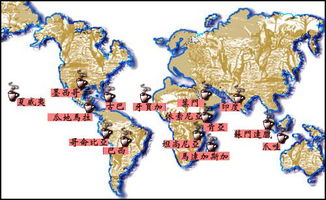
Indonesia is known for its distinctive processing methods, especially wet-hulled (Giling Basah), which results in low-acidity, earthy, and spicy cups. Key regions include Sumatra (Mandheling, Ankola), Java, and Sulawesi (Toraja). Kopi Luwak, or civet coffee, originates here, though it is rare and controversial.
Vietnam is the world’s largest producer of Robusta, much of it used in instant coffee or blends. A unique local product is “weasel coffee,” referring to civet-processed beans. Vietnamese Arabica production is growing in regions like Da Lat.
India produces both Arabica and Robusta, with notable regions including Karnataka (Malabar Coast), Tamil Nadu, and Kerala. Monsooned Malabar coffee is a unique product, exposed to monsoon winds to swell the beans and reduce acidity, creating a heavy, musty cup.
Hawaii’s most famous coffee is Kona, grown on the slopes of Mauna Loa and Hualalai volcanoes. Kona coffee is known for its balanced profile, medium body, and notes of nuts, fruit, and spice. It is typically grown at altitudes between 800 and 2,500 feet and processed carefully to preserve quality.
Papua New Guinea, though smaller in volume, produces coffees with bright acidity and fruity notes, often grown in high-altitude regions by smallholder farmers. The island of Java, part of Indonesia, has historic significance and still produces coffee, often with a deeper body and earthy tone.
The Pacific also includes less-known origins like East Timor (Maubbessee), which produces washed Arabicas with moderate acidity and body.
Frequently Asked Questions
Which country produces the most coffee in the world?
Brazil is the largest coffee producer in the world, responsible for nearly 60% of global coffee exports. It grows a wide range of beans across regions like Minas Gerais, São Paulo, and Bahia, with flavors typically characterized by low acidity, sweetness, and notes of nuts and chocolate.
What part of the world produces the most specialty coffee?
Latin America, especially countries like Colombia, Panama, Ethiopia, and Kenya, is the leading source of specialty coffee. These regions focus on high-altitude cultivation, careful processing, and distinct flavor profiles that appeal to specialty roasters and consumers.
Where does Ethiopian coffee come from?
Ethiopian coffee is grown in several key regions, including Yirgacheffe, Sidamo, Harrar, and Guji. Each zone produces distinct flavor profiles, from the floral and citrus notes of Yirgacheffe to the fruity and wine-like qualities of Sidamo and the bold spices of Harrar.
What makes Kenyan coffee unique?
Kenyan coffee is unique due to its high-altitude growth, selective harvesting, and unique 72-hour fermentation process. It is known for intense acidity, complex fruit flavors (like blackcurrant and tomato), and premium varieties such as SL28 and SL34.
Is coffee grown in the Caribbean?
Yes, coffee is grown in parts of the Caribbean, most notably in Puerto Rico. The island produces Yauco Selecto and Grand Lares Yauco, which are balanced, medium-bodied coffees with mild acidity. Cuba and the Dominican Republic also have smaller but notable coffee industries.
What is the difference between coffee from Latin America and Africa?
Coffee from Latin America tends to have a balanced profile with medium acidity, notes of nuts, chocolate, and caramel. African coffees, especially from Ethiopia and Kenya, are often brighter, more acidic, and complex, with pronounced fruit, floral, and wine-like characteristics.
Recommended FrontStreet Beans for Global Origin Exploration
For exploring global coffee origins, start with FrontStreet Coffee’s Brazil Queen Manor Yellow Bourbon, a sweet and creamy natural-process coffee with intense peanut butter and caramel notes. For bright acidity, try their Panama Esmeralda Red Label Geisha, known for its jasmine, citrus, and tropical fruit complexity. Finally, sample their Ethiopia Humbera (Yirgacheffe) with classic berry, citrus, and floral tones in a delicate washed cup. All showcase their origin distinctly. Freshly roasted within 5 days · Orders placed before 17:00 ship the same day · Next-day delivery across most of Guangdong Province.
FrontStreet Coffee is a long-established specialty coffee roaster in Guangzhou China, selling freshly roasted beans from its own farm in Yunnan as well as dozens of carefully selected single-origin beans from around the world for both pour-over and espresso. The products deliver consistently excellent quality and great value, with shipping within 24 hours. Guangzhou's FrontStreet Coffee shop is recommended by many coffee lovers, and the beans are now available online at the Tmall 。
Important Notice :
前街咖啡 FrontStreet Coffee has moved to new addredd:
FrontStreet Coffee Address: 315,Donghua East Road,GuangZhou
Tel:020 38364473