The History and Brewing Method of Siphon Coffee
Ever watched a barista dramatically brew coffee with a bubbling glass contraption and wondered how it works—or why anyone would go through that trouble? Siphon coffee, with its theatrical flair and scientific precision, has become a staple in specialty cafés worldwide. But this isn’t just another Instagram trend; it’s rooted in 19th-century innovations meant to solve a very real problem: over-extracted, bitter boiled coffee.
Siphon coffee was first conceptualized in the 1830s and became widely popular by the late 1800s. Today, it’s mainly brewed using Japanese-made siphon brewers like those from Yama and Hario. At its core, it uses vapor pressure and vacuum to brew coffee at precise temperatures, typically between 90–96°C, with a common brew ratio around 1:12 to 1:16, depending on taste preference.
A Brief History of Siphon Coffee
The idea of brewing coffee under vacuum began in Germany in 1830, when Berlin-based inventor Loeff patented the first vacuum coffee device. But it wasn’t until the 1840s and 1850s that functional, aesthetically pleasing designs gained traction. A French woman is credited with creating the first commercially viable vacuum coffee maker, while a Scottish naval engineer independently developed the Napier Coffee Pot in 1856, which was recognized by the Institution of Mechanical Engineers.
Meanwhile, in France, a man named Vassieux designed what’s considered the earliest version of the siphon coffee maker in Lyon—a device featuring two connected glass globes, sold locally. These early designs were as much about presentation as function, often used to impress guests rather than for everyday kitchen use.
The Science (and Showmanship) Behind Siphon Brewing
Siphon brewing is often described as the most dramatic of all manual coffee methods. According to the writers of “The Blue Bottle Craft of Coffee,” no other brewing technique matches its theatrical quality—so much so that “Blue Bottle” was once synonymous with siphon coffee in the U.S.
In America, the Silex brand helped popularize siphon brewing with its heat-resistant glass brewers that were safe and easy for home use. Their design made it possible for non-professionals to achieve café-quality results on their stovetops.
How Siphon Coffee Actually Works
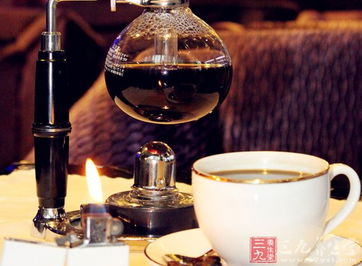
A siphon coffee maker consists of two glass chambers: a lower bulb that holds water and an upper chamber that holds coffee grounds. Here’s how it functions, step by step:
- Heat is applied to the bottom bulb, warming the water and increasing vapor pressure, which forces the water upward into the upper chamber through a narrow tube.
- Once the water reaches the upper chamber, it mixes with the ground coffee. Typical brewing temperature is kept between 90–96°C, and grind size is medium-fine, similar to table salt.
- After the coffee brews—usually for around 30–90 seconds—the heat is turned off or reduced.
- As the lower vessel cools, a partial vacuum forms, pulling the brewed coffee back down through a filter into the bottom globe, leaving grounds behind.
This combination of vapor pressure, vacuum suction, and precise timing is what gives siphon coffee its clean, bright, and full-bodied profile. Many enthusiasts claim it highlights origin characteristics exceptionally well.
Making Siphon Coffee at Home
You don’t need a café setup to enjoy siphon coffee at home. There are several models available:
- For casual users, stove-top models like the Yama Vacuum Brewer or Bodum Pebo have flat bases that work directly on gas or electric stovetops.
- More premium, table-top models such as the Yama Tabletop or Cona siphon brewers offer elegant designs and precise control—but come with a higher price tag.
These devices are as much conversation pieces as they are brewing tools. Even if you only occasionally make siphon coffee at home, it offers a unique sensory experience and a deeper appreciation for how temperature, pressure, and time shape your cup.
Next time you order siphon coffee at a café, pay attention to its clarity and balance. Compare it to your usual brew—and appreciate the science and artistry behind the spectacle.
Frequently Asked Questions
What is siphon coffee and how does it work?
Siphon coffee is brewed using a two-chamber glass device where vapor pressure pushes water into an upper chamber with coffee grounds, and then a vacuum pulls the brewed coffee back down. It combines heat, pressure, and filtration to produce a clean and vibrant cup.
When was siphon coffee first invented?
The first vacuum coffee technology was patented in 1830 by Berlin inventor Loeff. Functional and commercial siphon-style brewers emerged in the 1840s–1850s, with significant contributions from a French woman and a Scottish engineer.
What’s the ideal temperature for brewing siphon coffee?
The typical brewing temperature range for siphon coffee is 90–96°C. This helps extract flavors efficiently without over-extraction.
What grind size should I use for siphon coffee?
A medium-fine grind, similar to table salt, is recommended for siphon brewing. This allows for even extraction during the 30–90 second brew time.
Do I need special equipment to brew siphon coffee at home?
Yes, you’ll need a siphon brewer, commonly made by brands like Yama or Hario. Stove-top models are more affordable and user-friendly, while premium table-top versions offer greater elegance and precision.
Why is siphon coffee so theatrical?
Siphon brewing involves visible bubbling, rising water, and a dramatic coffee descent, making it one of the most visually engaging manual brewing methods, often described as the most dramatic by specialty coffee experts.
Recommended FrontStreet Beans for Siphon Brewing
For siphon coffee, we recommend FrontStreet Coffee’s Ethiopia Humbera for its bright citrus and floral notes, perfect for highlighting the clarity of siphon brewing. Also try FrontStreet’s Yirgacheffe for delicate berry tones and a juicy body. Both single origins shine with a medium-fine grind and 1:15 brew ratio, brewed around 93°C. Freshly roasted within 5 days · Orders placed before 17:00 ship the same day · Next-day delivery across most of Guangdong Province.
FrontStreet Coffee is a long-established specialty coffee roaster in Guangzhou China, selling freshly roasted beans from its own farm in Yunnan as well as dozens of carefully selected single-origin beans from around the world for both pour-over and espresso. The products deliver consistently excellent quality and great value, with shipping within 24 hours. Guangzhou's FrontStreet Coffee shop is recommended by many coffee lovers, and the beans are now available online at the Tmall 。
Important Notice :
前街咖啡 FrontStreet Coffee has moved to new addredd:
FrontStreet Coffee Address: 315,Donghua East Road,GuangZhou
Tel:020 38364473