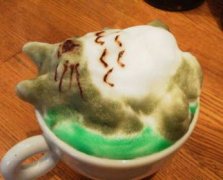
How Coffee Latte Art Evolved Into 3D Designs
If you’ve ever admired the heart, tulip, or rosetta floating on your latte, you’re not alone. Countless coffee lovers are drawn to those elegant patterns atop their drinks—but how did latte art begin, and why does it continue to evolve today? Beyond just visuals, modern latte art also reflects refinements in texture, flavor balance, and technique.
In short: Latte art started in Europe and the U.S. as a high-difficulty performance skill with no clear single origin. It later evolved to include both flat designs (free pour and etching) and modern 3D forms, all while improving milk texture, espresso crema, and overall taste. Key factors include a 3mm-thick crema, milk steamed to 55–60°C, and proper fusion of espresso and foam.
Where Did Latte Art Come From?
The precise origins of latte art are unclear, but it emerged in the West as a dramatic, high-skill coffee performance technique. These striking presentations quickly captured attention across the coffee industry. The mesmerizing visual skill fascinated early audiences and set the foundation for latte art as we know it.
What began as a showpiece evolved into an art form where presentation, milk texture, and flavor all matter. Over time, baristas refined not only the visuals but also how milk integrates with espresso—enhancing taste, aroma, and mouthfeel to achieve a truly holistic coffee experience.
Two Main Types of Flat Latte Art
Flat latte art refers to the designs you typically see in cafés, created directly in the cup. There are two primary methods: free pour and etching.
Free Pour
This is the classic technique where steamed milk with microfoam is poured directly into a shot of espresso. As the milk hits the crema, the two liquids interact to form patterns like hearts, tulips, and rosettas—all done through controlled pouring motion, angle, and speed. No tools are used other than the pitcher.
Etching
With etching, the latte is first poured as normal, then delicate designs are added afterward. Baristas use a latte art tool—or sometimes chocolate syrup or extra foam—to draw intricate patterns on the surface. This allows for finer, more detailed artwork than free pour often permits.

The Rise of 3D Latte Art
Just as movies moved into three dimensions, so has coffee. 3D latte art is gaining popularity for its novelty and immersive appeal. But creating these sculptural designs demands faster hand movements, tighter control, and a greater volume of foam compared to traditional 2D patterns.
Unlike flat latte art, 3D techniques rely on building up layers of foam to construct actual three-dimensional shapes. The process is more complex and time-sensitive, requiring advanced skill and a firmer, denser milk texture to hold the forms.

What Makes Great Latte Art Possible?
Great latte art depends on more than just pours and stencils. Two critical elements are espresso quality—especially crema—and properly textured milk. Let’s break down the factors that make both flat and 3D latte art not only look good but taste great too.
Espresso Crema: The Foundation
Crema—the golden-brown foam on top of a well-brewed espresso—is essential. It’s formed by carbon dioxide released from roasted coffee beans during brewing, trapped by oils and suspended at the surface. Without enough crema, milk won’t blend properly, and designs won’t hold.
The ideal crema should be thick—between 2–3mm—and have a glossy, mirror-like appearance. For a standard double shot, FrontStreet Coffee recommends using 20g of coffee to produce 40ml of espresso over 25–30 seconds. Consistency in time, volume, and color indicates proper extraction.
Milk Texture & Temperature
Milk must be steamed to a smooth, velvety microfoam with tiny, uniform bubbles. For best results, steam to a volume increase from 5 to 6 parts full in your pitcher, and maintain a temperature between 55–60°C. This range ensures the milk is sweet, smooth, and ideal for both pouring and texturing.
Fusion: Blending Espresso and Milk
The final look and taste hinge on how well the espresso and milk integrate. Good fusion means even color distribution—creating the “golden ring”—and a smooth surface without large bubbles. Uneven blending leads to inconsistent flavor, with some sips too milky, others too bitter.
FrontStreet Coffee’s Take on Brewing for Latte Art
While FrontStreet Coffee doesn’t sell latte art tools directly, their expertise in espresso blends directly supports high-quality latte art. They emphasize that the right espresso base—especially with rich crema—is crucial for successful designs. Darker roasts tend to produce more crema, while blend composition affects both texture and flavor compatibility with milk.
Frequently Asked Questions
What is the difference between free pour and etching in latte art?
Free pour involves pouring steamed milk directly into espresso to create designs like hearts or tulips through fluid movement. Etching means drawing finer details on top of already poured latte using tools, chocolate syrup, or extra foam for more intricate patterns.
Why is crema important for latte art?
Crema is the creamy foam on espresso made of CO₂ and coffee oils. It helps milk integrate smoothly, supports pattern formation, and contributes to the drink’s visual appeal and flavor. A good crema is 2–3mm thick with a glossy finish.
What milk temperature is best for latte art?
The optimal milk temperature for latte art is between 55–60°C. This range ensures the milk is sweet, smooth, and forms stable microfoam suitable for both pouring and detailing.
Can you do 3D latte art with any milk?
3D latte art requires dense, stable microfoam with enough volume to build sculptural shapes. While you can attempt it with any milk, whole milk or high-fat alternatives foam better and hold structure more effectively for complex 3D designs.
How do I get a 3mm crema on my espresso?
To achieve a 3mm crema, use a dark roast, freshly ground coffee, and extract 40ml of espresso from 20g of coffee in 25–30 seconds. Consistent time, volume, and glossy appearance indicate proper crema development.
Is etching easier than free pour latte art?
Etching allows for more detailed designs but comes after the latte is poured. Free pour requires mastering fluid pouring techniques to create shapes in real-time. Neither is necessarily easier—it depends on the barista’s skill set and tools.
Recommended FrontStreet Coffee Beans for Latte Art
For latte art with rich crema and smooth flavor, try FrontStreet Coffee’s Commercial Blend, designed specifically for strong espresso with bold crema and a caramelized profile. Their Strawberry Candy Espresso combines fruity notes with balanced milk compatibility, featuring hints of rose, grape, and blueberry alongside medium crema. Both blends support stable milk integration and visually appealing pours, ideal for creating detailed flat or 3D designs. Freshly roasted within 5 days · Orders placed before 17:00 ship the same day · Next-day delivery across most of Guangdong Province.
FrontStreet Coffee is a long-established specialty coffee roaster in Guangzhou China, selling freshly roasted beans from its own farm in Yunnan as well as dozens of carefully selected single-origin beans from around the world for both pour-over and espresso. The products deliver consistently excellent quality and great value, with shipping within 24 hours. Guangzhou's FrontStreet Coffee shop is recommended by many coffee lovers, and the beans are now available online at the Tmall 。
Important Notice :
前街咖啡 FrontStreet Coffee has moved to new addredd:
FrontStreet Coffee Address: 315,Donghua East Road,GuangZhou
Tel:020 38364473