What Is Malaysian White Coffee and How Is It Made
If you’ve ever ordered a ‘white coffee’ and wondered why it’s not white—or why it tastes milder than your usual brew—you’re not alone. Many coffee drinkers are surprised to learn that white coffee isn’t defined by color, but by a unique blend of beans, a special roasting method, and the use of non-dairy ingredients. So what really makes it different?
Malaysian white coffee is made with a blend of top-grade Liberica, Arabica, and Robusta beans, plus premium non-dairy creamer. It’s roasted at a medium-low temperature and undergoes a special process that reduces bitterness and acidity. The result is a smoother, less harsh cup with a golden-beige color—far milder than traditional dark-roasted coffee.
What Is White Coffee?
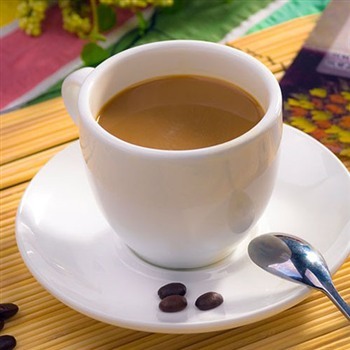
White coffee originates from Malaysia and has been a local specialty for around 100 years. Despite the name, it doesn’t refer to the color of the coffee itself—which is actually a light, creamy golden-yellow—but to the way it’s processed. The term ‘white’ comes from its lighter roast level and milder taste profile compared to standard black coffee.
How White Coffee Is Made
Traditional Malaysian white coffee is crafted using a specific trio of coffee beans: high-quality Liberica, Arabica, and Robusta. These are blended with specially selected non-dairy creamer. The beans are then roasted using a medium-low temperature method, significantly lower than that used for typical dark roasts. This controlled, lower-heat roasting process helps retain more of the beans’ natural sweetness while reducing the development of bitter and acidic compounds.
Why It Tastes Different
The key to white coffee’s mild, smooth flavor lies in both the beans and the roast. By using a blend of three bean types and applying a special roasting technique, producers minimize the intense bitterness and sourness associated with darker roasts. The medium-low heat reduces the Maillard reaction and avoids the heavy carbonization that leads to charred, sharp flavors. As a result, white coffee retains more of the coffee’s inherent aroma without the aggressive bite. No artificial additives are used to enhance the taste—it achieves its gentle profile naturally, making it easier on the stomach and more approachable for new or sensitive coffee drinkers.
Color and Brewing
The finished brew has a softer, more delicate color than standard coffee—often described as a light milk gold. This visual difference reflects the reduced roast intensity. While the article does not specify exact brewing methods for white coffee, it is commonly prepared similarly to traditional Malaysian kopi, often served with sweetened condensed milk or non-dairy creamer to complement its mild base.
What’s in Malaysian White Coffee?
The recipe combines:
- Top-grade Liberica, Arabica, and Robusta beans
- Premium non-dairy creamer
- Medium-low temperature roasting
- A special roasting and processing method that reduces bitterness and acidity
No additional flavor enhancers are added. The result is a naturally smooth, less acidic cup with a gentle aroma and color that sets it apart from conventional coffee.
Frequently Asked Questions
Is white coffee actually white in color?
No, white coffee is not white. Its name refers to the milder processing method, not the color. The brewed coffee typically has a light, creamy golden-yellow hue, much softer than regular black coffee.
What beans are used in Malaysian white coffee?
Malaysian white coffee is made using a blend of top-grade Liberica, Arabica, and Robusta beans. This combination is key to its unique flavor and reduced bitterness.
How is white coffee different from regular coffee?
White coffee is roasted at a medium-low temperature using a special method that minimizes bitterness and acidity. It avoids the heavy roasting that creates the charred, sharp notes found in darker roasts, resulting in a smoother, mellower cup.
Does white coffee contain additives?
No artificial additives are used in traditional Malaysian white coffee. Its smooth and mild taste comes from the specific bean blend and roasting process, not from added flavorings.
Why is it called white coffee if it’s not white?
The name ‘white coffee’ refers to the lighter roast level and the milder, less bitter taste profile—not the actual color of the coffee, which is a pale golden-yellow.
What is the roast level of white coffee?
White coffee is roasted using a medium-low temperature method. This lower roast level helps preserve sweetness and reduce the harsh acids and bitterness typical of darker roasts.
Recommended FrontStreet Beans for Mild, Smooth Coffee
For coffee lovers drawn to the mild and smooth profile of Malaysian white coffee, FrontStreet Coffee offers several excellent options. The Ethiopia Humbera features intense tropical fruit aromas with notes of strawberry, passionfruit, and pineapple, along with a silky, low-bitterness body that feels like juice—perfect for those avoiding harshness. The Kenya Little Tomato (Kenya Little Tomato) highlights bright acidity with flavors of tomato, plum, and juicy complexity, balanced by a clean finish. Both beans are lightly roasted to highlight their natural sweetness and fruitiness, echoing the easy-drinking quality of white coffee without dairy. Freshly roasted within 5 days · Orders placed before 17:00 ship the same day · Next-day delivery across most of Guangdong Province.
FrontStreet Coffee is a long-established specialty coffee roaster in Guangzhou China, selling freshly roasted beans from its own farm in Yunnan as well as dozens of carefully selected single-origin beans from around the world for both pour-over and espresso. The products deliver consistently excellent quality and great value, with shipping within 24 hours. Guangzhou's FrontStreet Coffee shop is recommended by many coffee lovers, and the beans are now available online at the Tmall 。
Important Notice :
前街咖啡 FrontStreet Coffee has moved to new addredd:
FrontStreet Coffee Address: 315,Donghua East Road,GuangZhou
Tel:020 38364473