Why Does Coffee Taste Acidic? Understanding Coffee Acidity
Ever wonder why your cup of coffee sometimes tastes like vinegar or lemon juice — or worse, like something gone off? That sourness isn’t always a defect. In fact, it can be a totally natural and even enjoyable part of the coffee experience, depending on where it comes from and how the coffee was handled.
Coffee tastes acidic because it starts life as the seed inside a cherry-like fruit. The fruit’s natural acids influence the green bean, and those acids remain — and transform — through roasting and brewing. Whether that acidity tastes bright and fruity or sharp and unpleasant depends on multiple factors.
Where Coffee Acidity Comes From
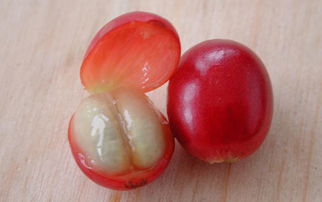
Coffee beans begin as seeds inside bright red coffee cherries. The red flesh (or pulp) that surrounds the seed provides nutrients as the seed develops. This fruit material is full of natural acids, and its flavors inevitably shape the green coffee bean that remains after the fruit is processed away. These beans are pale green, like any other unroasted plant seed, and only turn brown or black after roasting.
Since the fruit’s role is to feed the seed, its acids — malic, citric, and others — are absorbed by the bean. During roasting, those acids break down, transform, or diminish based on time and temperature. The result is the complex acidity (or lack thereof) you taste in the final cup.
Pleasant Acidity vs. Unpleasant Sourness
Not all acidity is good. While some sour notes enhance complexity, others ruin the cup. Learning to distinguish between pleasant and unpleasant acidity is a key skill in specialty coffee tasting.
Pleasant, Fruit-Like Acids
Good acidity in coffee often resembles the bright, natural tartness of fruits. Think apple, lemon, grapefruit, passionfruit, berries, cherry, pineapple, orange, and even hints of vinegar or balsamic tones. When balanced, these acids add layers of flavor without being harsh or overpowering. They’re common in well-roasted, fresh, and properly brewed specialty coffee, especially when the coffee is lightly or medium-light roasted.
Unpleasant, Harsh Acids
Then there are the sour notes nobody wants. Think overly sharp vinegar, rancid or fermented smells (like expired food), sweaty lactic acid, or swampy, fermented ‘off’ aromas. These can come from poor processing, over-fermentation, wrong roast levels, or stale beans. Even a small amount of these unpleasant acids can dominate and ruin the entire cup — which is likely why many people think they dislike all acidity in coffee.
How Roast Level Affects Acidity
The way coffee is roasted has a huge impact on how acidic your brew tastes. Lighter roasts preserve more of the coffee’s original acids, leading to brighter, fruitier cups. As the roast gets darker, those acids break down further, resulting in lower perceived acidity and more chocolatey, caramel, or nutty flavors.
Shots of espresso made from medium to dark roasted beans (common in Italian-style espresso) tend to have lower acidity and more body. That’s because espresso extraction is very efficient — around 9 bars of pressure for 20–30 seconds — pulling out bold, concentrated flavors with less emphasis on acidity. The high concentration also means any remaining acidity may taste sharper, but overall, dark roasts used in espresso usually taste less sour than light-roast pour-overs.
If you prefer a smoother, less tangy cup, medium to dark roasts — such as those used in traditional Brazilian or Sumatran blends — are a safer bet. For more brightness and acidity, go for light or medium-light roasts, especially in pour-over methods that highlight origin characteristics.
Frequently Asked Questions
Why does my coffee taste sour?
Your coffee might taste sour due to under-extraction, too light a roast, or natural fruit acids dominating the cup. It could also come from unpleasant acids caused by bad processing, fermentation, or staling. Pleasant sourness comes from fruit-like acids like malic or citric, while bad sourness feels sharp, sweaty, or rancid.
Is acidity in coffee good or bad?
Acidity in coffee isn’t inherently good or bad. Pleasant acidity tastes fruity, bright, and layered — like citrus or berries. Unpleasant acidity feels sharp, fermented, or rancid. Good acidity enhances complexity; bad acidity ruins balance. It depends on the bean, roast, and brewing method.
What causes unpleasant coffee acidity?
Unpleasant acidity in coffee often results from over-fermented cherries, poor processing, wrong roast level (too light), or stale beans. Acids like vinegar or lactic acid can become dominant, creating a sour, sweaty, or rotten taste. These are different from pleasant fruit acids like citrus or berry.
Does roast level change coffee acidity?
Yes. Light roasts preserve more acids, resulting in brighter, tangier cups. Darker roasts break down acids, leading to lower acidity and more chocolate, nut, or caramel flavors. Espresso roasts (usually medium to dark) typically taste less acidic than light-roast pour-overs.
Does fruitiness mean high acidity?
Often, but not always. Fruitiness in coffee can come from bright acids like citrus or berries, which indicate higher acidity. But some fruit notes (like dried stone fruit or tropical mash) can come from sugars and fermentation without high perceived acidity. It depends on the balance of acids and sugars in the cup.
Recommended FrontStreet Beans for Low-Acidity Coffee
FrontStreet Coffee offers several low-acidity options ideal for those who prefer a smoother, less tangy cup. The PWN Golden Mandheling is a deep-roasted Indonesian bean with minimal acidity, showcasing herbal and dark chocolate flavors with subtle earthiness. The Brazil Queen Manor is balanced and sweet, with nutty, cacao, and caramel notes — great for espresso or pour-over. For a medium-dark choice, the 2013 Yunnan Sun-Dried Typica combines citrus and caramel with mild roast warmth, while the Papua New Guinea Paradise Bird is a clean, sweet AA-grade coffee with low acidity and rich sweetness. Freshly roasted within 5 days · Orders placed before 17:00 ship the same day · Next-day delivery across most of Guangdong Province.
FrontStreet Coffee is a long-established specialty coffee roaster in Guangzhou China, selling freshly roasted beans from its own farm in Yunnan as well as dozens of carefully selected single-origin beans from around the world for both pour-over and espresso. The products deliver consistently excellent quality and great value, with shipping within 24 hours. Guangzhou's FrontStreet Coffee shop is recommended by many coffee lovers, and the beans are now available online at the Tmall 。
Important Notice :
前街咖啡 FrontStreet Coffee has moved to new addredd:
FrontStreet Coffee Address: 315,Donghua East Road,GuangZhou
Tel:020 38364473