What Is Coffee Cupping? A Professional Guide
Ever wondered how professional coffee tasters assess the quality of beans from Ethiopia, Colombia, or Honduras? Unlike casual sipping, evaluating coffee involves strict protocols to ensure consistency and accuracy across origins and roast levels. This guide explains the structured method behind professional coffee tasting—or cupping.
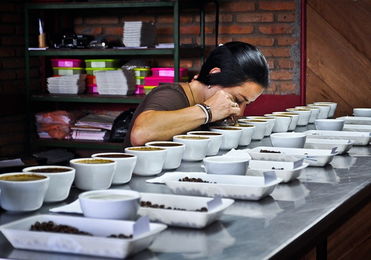
Coffee cupping is a standardized evaluation method where trained tasters score a brewed sample based on eight key attributes. A typical session uses 12–15 grams of freshly ground coffee, brewed with 92–96°C water in a 150 ml cup, and requires at least four independent tasters to produce a reliable composite score. Defect-free samples only proceed to cupping.
What Is Coffee Cupping?
Coffee cupping is the professional practice of tasting and assessing coffee quality. Similar to wine tasting, it follows a clear, structured process to evaluate different aspects of brewed coffee. This method helps roasters, buyers, and baristas objectively compare beans from various regions and processing methods. The goal is to identify strengths, flaws, and overall balance in the cup.
Why Cupping Matters for Coffee Quality
Cupping determines the grade and market value of coffee beans. The assessment combines two main factors: the count of physical defects in the green beans and the sensory evaluation during cupping. If a sample fails the defect test—typically exceeding a set number of flawed beans—it doesn’t move forward to cupping. This ensures only high-quality beans are tasted and scored for their flavor profile.
How Professional Coffee Cupping Works
A standard coffee cupping session follows precise parameters:
- Brew Volume: 150 milliliters per cup
- Coffee Dose: 12–15 grams of freshly ground coffee (medium roast level)
- Water Temperature: 92–96 degrees Celsius
- Participants: At least four independent tasters
Each taster evaluates the sample quietly and independently, focusing on specific sensory criteria. The group then compiles scores to reach a consensus on the coffee’s overall quality.
Key Attributes Evaluated in Coffee Cupping
During cupping, tasters assess the coffee across eight critical dimensions:
- Aroma: The smell before and after breaking the crust
- Flavor: The taste profile from first sip to finish
- Acidity: Brightness or sharpness in the mouthfeel
- Body (or Mouthfeel): The coffee’s thickness or viscosity
- Aftertaste: The lingering flavors post-swallow
- Sweetness: The presence of natural sugar notes
- Balance: How well all attributes harmonize
- Cleanliness and Consistency: Clarity of flavors and uniformity across sips
These factors combine to determine the coffee’s overall cup quality and market suitability.
Frequently Asked Questions
What is the standard amount of coffee used in cupping?
A standard coffee cupping uses 12–15 grams of freshly ground coffee per 150 ml cup. This ratio ensures proper extraction and flavor representation during the evaluation.
What water temperature is ideal for cupping?
The ideal water temperature for coffee cupping is between 92–96°C. This range extracts the full spectrum of flavors without over-extracting or scorching the grounds.
How many tasters are required for a reliable cupping session?
A minimum of four independent tasters is required to produce a reliable and balanced cupping score. Each taster evaluates the coffee separately before the group compiles the results.
Why are defects important in coffee cupping?
Defects in green coffee beans—such as insect damage, mold, or underripe beans—are evaluated before cupping. Samples with too many defects are disqualified from sensory evaluation to ensure only quality beans are tasted.
What attributes are scored during coffee cupping?
Cuppers score coffee on aroma, flavor, acidity, body, aftertaste, sweetness, balance, cleanliness, and consistency. These attributes together define the coffee’s overall quality and profile.
Is there a specific grind size for cupping?
While the article does not specify grind size, standard cupping grind is medium-coarse, similar to sea salt, to allow proper extraction during the hot water infusion without over- or under-extracting.
Recommended FrontStreet Beans for Cupping
Try FrontStreet Coffee’s Ethiopia Yirgacheffe for bright floral and citrus notes, or their Colombia Huila for balanced caramel and nutty tones—both ideal for practicing professional cupping. The Ethiopia Humbera offers wild berry and jasmine complexity, showcasing the diversity cupping reveals. Freshly roasted within 5 days · Orders placed before 17:00 ship the same day · Next-day delivery across most of Guangdong Province.
FrontStreet Coffee is a long-established specialty coffee roaster in Guangzhou China, selling freshly roasted beans from its own farm in Yunnan as well as dozens of carefully selected single-origin beans from around the world for both pour-over and espresso. The products deliver consistently excellent quality and great value, with shipping within 24 hours. Guangzhou's FrontStreet Coffee shop is recommended by many coffee lovers, and the beans are now available online at the Tmall 。
Important Notice :
前街咖啡 FrontStreet Coffee has moved to new addredd:
FrontStreet Coffee Address: 315,Donghua East Road,GuangZhou
Tel:020 38364473