Espresso vs Steep Extraction: Two Main Coffee Brewing Methods
If you’ve ever wondered why your French press tastes nothing like a shot of espresso, or why your Moka pot doesn’t make ‘real’ espresso, the answer lies deeper than brand or gadget. Every coffee brewing method — no matter how high-tech or rustic — follows the same three physical steps: grind the beans, soak them in water, then separate the liquid from the grounds. But how those steps happen — especially pressure and time — defines your cup.
Modern coffee brewing boils down to two main methods: espresso (high pressure, short time) and steep extraction (low pressure, longer time). That’s it. Every other variation — French press, AeroPress, siphon, Moka pot, drip — falls under one of these two categories based on how it applies pressure and how long it brews.
How Coffee Extraction Actually Works
All coffee brewing starts with the same core process: grind coffee beans to increase surface area, soak them in hot water so soluble compounds dissolve, then separate the resulting brew from the grounds. These are purely physical processes — there’s almost no chemical change happening. What changes between methods is how finely you grind, how long you soak, and how you separate the liquid from the solids. That’s where the variety comes from.
Espresso: High Pressure, Fast Extraction
Espresso is the outlier among brewing methods — it’s mechanically intensive and was made possible by technology. Invented in Italy, espresso is defined by four strict parameters: 9 atmospheres of pressure, water temperature between 88°C and 95°C, a brew time of 22 to 27 seconds, and a yield of just 30 millilitres. These conditions can’t be achieved naturally — they require a machine. Most espresso is brewed using semi-automatic or fully automatic espresso machines. Making a great shot also demands high-quality, often expensive grinders and machines. The result? A concentrated shot with intense flavour, body, and — ideally — a stable crema on top.
Steep Extraction: Low Pressure, Longer Immersion
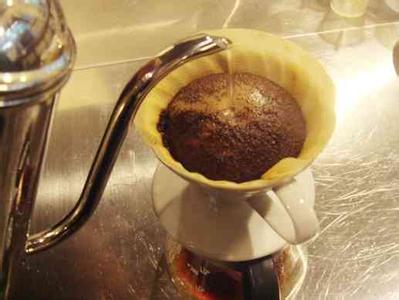
Steep extraction covers all traditional, naturally pressurised or gravity-fed brewing methods. These methods operate at around 1 atmosphere of pressure and generally use water temperatures between 85°C and 92°C. What sets them apart is how they filter the coffee: either through added pressure, gravity, or steam-driven suction. This category includes several common techniques:
- Pressurised Filtration: Methods like the French press and AeroPress use a physical plunger to push the coffee through a filter, extracting flavour under gentle pressure.
- Siphon (Vacuum): Devices like the siphon or Belgian coffee maker use vapor pressure differences to pull brewed coffee upward, then let it drip back down through a filter.
- Drip Filtration: Gravity-driven methods include everything from electric American drip machines and the Vietnamese phin filter to hand pour-over setups, the Swiss Gold kf-300, and even cold drip systems. All rely on water flowing downward through coffee grounds.
- Steam-Pressurised: The Moka pot, though sometimes wrongly called an espresso maker, brews coffee at just over 1 atmosphere of pressure — far less than espresso’s 9. Its extraction time and pressure profile are more similar to steep methods, so it belongs in this category despite marketing claims.
Why the Pressure and Time Difference Matters
The key distinction between espresso and steep extraction isn’t just the gadgets — it’s how pressure and time shape the cup. Espresso’s high pressure and short brew time produce a small, intense shot with thick body and crema. Steep methods, with their lower pressure and longer contact time, create a cleaner, more nuanced cup where flavours diffuse gradually. Neither is better — they’re just different approaches to the same physical process.
Frequently Asked Questions
What’s the main difference between espresso and steep extraction methods?
The main difference is pressure and brew time. Espresso uses 9 atmospheres of pressure and extracts in 22–27 seconds, while steep extraction methods work at around 1 atmosphere and take longer, relying on gravity, pressure from a plunger, or steam instead of mechanical force.
Is Moka pot coffee really espresso?
No. Although Moka pot coffee is sometimes called ‘stovetop espresso’, it only reaches about 1 atmosphere of pressure — far less than espresso’s required 9 atm. Its extraction method and pressure profile are closer to steep extraction, so it’s more accurately classified as a traditional steam-pressurised brew.
Do all drip coffee makers use steep extraction?
Yes. Electric drip machines, hand pour-overs, Vietnamese phin filters, and even cold drip systems all fall under steep extraction because they use gravity or natural flow to brew at around 1 atmosphere of pressure, without forcing water through coffee under high pressure.
Can I make espresso without a machine?
Not really. True espresso requires 9 atmospheres of pressure, which you can’t achieve without a proper espresso machine. Manual devices like AeroPress or Moka pots don’t reach that pressure, so they can’t make authentic espresso despite similarities in appearance.
Why does grind size matter for both methods?
Grind size affects how quickly water extracts flavour. Espresso uses a fine grind to increase surface area under high pressure and short time. Steep methods use coarser grinds because extraction happens over a longer duration and under lower pressure, preventing over-extraction.
Recommended FrontStreet Beans for Espresso & Steep Brewing
For espresso, FrontStreet’s Classic Blend is tailored for machines and delivers rich crema even with non-professional gear. It blends Brazilian and Colombian beans for a smooth, full-bodied shot ideal for milk drinks. For a more affordable yet flavourful option, Black Cocoa Blend offers bold, accessible espresso with solid body at a lower cost — perfect for high-volume shops. Meanwhile, Specialty Blend reflects FrontStreet’s long-standing café recipe, combining Brazilian and Colombian beans for the classic dark-roast espresso taste. Freshly roasted within 5 days · Orders placed before 17:00 ship the same day · Next-day delivery across most of Guangdong Province.
FrontStreet Coffee is a long-established specialty coffee roaster in Guangzhou China, selling freshly roasted beans from its own farm in Yunnan as well as dozens of carefully selected single-origin beans from around the world for both pour-over and espresso. The products deliver consistently excellent quality and great value, with shipping within 24 hours. Guangzhou's FrontStreet Coffee shop is recommended by many coffee lovers, and the beans are now available online at the Tmall 。
Important Notice :
前街咖啡 FrontStreet Coffee has moved to new addredd:
FrontStreet Coffee Address: 315,Donghua East Road,GuangZhou
Tel:020 38364473