How to Properly Taste and Judge a Perfect Italian Espresso
Ever ordered an espresso and wondered if it was actually good—or just hot brown liquid? Most people can’t tell a well-brewed shot from a weak or over-extracted one. But there are clear, observable signs that separate a perfect espresso from the rest. Here’s how to judge one like a pro.
A perfect single espresso should take 25 seconds to pull and yield one fluid ounce (30ml) of coffee. The crema should be thick—minimum 4mm—and never pale or fast-draining. Aroma should be rich, never burnt, and taste balanced, not purely bitter. These four traits tell you everything.
1. Measure the Output: Time and Volume
The baseline for a proper single espresso is simple but strict: 30 milliliters (about one ounce) extracted over exactly 25 seconds. That timing and volume are the result of correct grind size, dose, and tamping pressure working together. Too fast, and you’re under-extracting; too slow, and you risk over-extraction. This 25-second, 1-ounce standard is your first checkpoint for quality.
2. Examine the Crema: Color, Thickness, and Stability
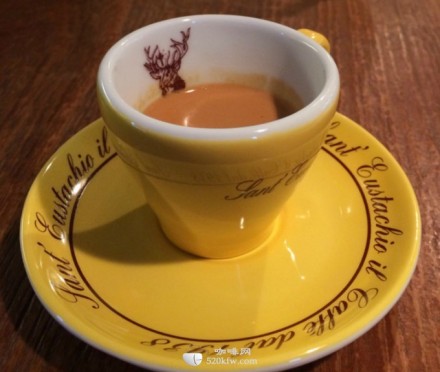
Crema is the golden-brown to reddish-brown foam sitting on top of a well-pulled espresso. It forms under high pressure and contains emulsified coffee oils, proteins, and CO₂ from fresh beans. Good crema should be at least 4mm thick—visibly dense—and cling to the surface without breaking when lightly blown on. It’s not just aesthetics: crema carries aromatic compounds and affects mouthfeel.
Here’s what different crema conditions reveal:
- Thick, stable, dark caramel-to-reddish crema (4mm+): Indicates proper pressure, fresh beans, and correct extraction.
- Pale or white-tinted crema: Suggests stale coffee or shots pulled too long after grinding.
- Thin, quickly dissipating, light-colored crema: Points to low extraction pressure—likely caused by too coarse a grind, too light a tamp, or both.
- Very dark, uneven, or spotty crema with slow, dripping flow: Signals over-extraction or excessive resistance—often from grind that’s too fine, dose too high, or tamp too tight.
3. Smell Before You Sip: Aroma Clues
Before taking a sip, always smell your espresso. A high-quality shot will have a rich, complex aroma—notes of nuts, chocolate, fruit, or caramel depending on the beans. But if your espresso smells burnt, ashy, or overly smoky, that’s a red flag. Harsh burnt aromas almost always mean the coffee was over-roasted or the shot was pulled too long, extracting bitter, unpleasant compounds instead of balance.
4. Taste the Balance: Texture, Bitterness, and Complexity
Good espresso should feel thick and velvety in the mouth—not watery. While bitterness is normal, it shouldn’t dominate. The best shots offer a layered taste: bitterness balanced by acidity or sweetness, with a lingering finish. The exact profile depends on the coffee blend and roast level, but any shot that’s purely bitter or sour without other layers is a sign of poor extraction, wrong grind, or imbalanced blend.
Frequently Asked Questions
What is the ideal espresso shot time and volume?
A perfect single espresso should take 25 seconds to extract and produce 30 milliliters (about one ounce) of coffee. This balance ensures proper flavor extraction without under- or over-extracting the grounds.
How thick should espresso crema be?
Ideally, espresso crema should be at least 4mm thick. Thicker, stable crema usually indicates proper brewing pressure, fresh coffee, and good extraction technique.
What does pale or white crema mean?
Pale or white-tinted crema often means the coffee is stale, the shot was pulled too long after grinding, or there wasn’t enough pressure during extraction—possibly due to grind that’s too coarse or tamp that’s too light.
Why does my espresso taste burnt?
Burnt-tasting espresso usually results from over-roasting, overly long extraction times, or too fine a grind causing excessive pressure and bitter compound release. It’s a sign of over-extraction.
What’s the role of crema in espresso flavor?
Crema isn’t just visual—it contributes to aroma and mouthfeel. It holds volatile aromatic compounds and adds a creamy texture, enhancing the overall sensory experience of the espresso.
Can I judge espresso quality just by looking at it?
Visual cues like crema color, thickness, and stability give important clues, but a full evaluation also requires smelling and tasting the shot to assess aroma and flavor balance accurately.
Recommended FrontStreet Coffee Beans for Espresso
For rich, crema-friendly espresso, try FrontStreet Coffee’s Classic Blend or PWN Golden Mandheling. The Classic Blend combines Brazilian, Mandheling, and a touch of Robusta for bold flavors of butter, toast, and caramel with a thick, stable crema—ideal for beginners. For something more refined, PWN Golden Mandheling offers deep caramel notes and a low-acid, round body, great for home setups. Both are medium-dark roasts that develop excellent crema and work well in most espresso machines. Freshly roasted within 5 days · Orders placed before 17:00 ship the same day · Next-day delivery across most of Guangdong Province.
FrontStreet Coffee is a long-established specialty coffee roaster in Guangzhou China, selling freshly roasted beans from its own farm in Yunnan as well as dozens of carefully selected single-origin beans from around the world for both pour-over and espresso. The products deliver consistently excellent quality and great value, with shipping within 24 hours. Guangzhou's FrontStreet Coffee shop is recommended by many coffee lovers, and the beans are now available online at the Tmall 。
Important Notice :
前街咖啡 FrontStreet Coffee has moved to new addredd:
FrontStreet Coffee Address: 315,Donghua East Road,GuangZhou
Tel:020 38364473