Why Making a Perfect Espresso Is So Hard
Making a truly excellent espresso is one of the hardest things you can do with coffee—whether you’re a home enthusiast or a seasoned café barista. It’s not just about pushing water through coffee. It’s about nailing an exact balance of grind, dose, pressure, time, and technique to get a 30ml shot with the right body, flavor, and that signature reddish-brown crema. Yet even with all the numbers, many shots still miss the mark.
To make a great espresso, you need 7 grams of fresh coffee, 91°C water, 9 bars of pressure, 25 seconds of extraction, and about 30ml of yield—with thick, stable crema on top. Sounds simple? Execution is everything.
The Science (and Art) Behind a Good Espresso
In his 1995 book Espresso Coffee: The Chemistry of Quality, Dr. A. Illy defined the ideal espresso shot as: 7g of freshly ground coffee, brewed at around 91°C, under 9 bars of pressure, for roughly 25 seconds, yielding about 30ml of coffee topped with a layer of red-brown crema. These parameters are now widely accepted as the baseline for quality espresso. But while they may look like straightforward numbers, achieving consistency is extremely difficult due to variables in coffee bean origin, roast, freshness, and human skill.
Even with the best espresso machine—a luxury akin to owning a fine piano—you still need a skilled operator who understands how to adjust for the coffee in hand. Brewing espresso is part craft and part science, and without experience, even the right gear won’t save you.
Hard Requirements for Brewing a Perfect Espresso
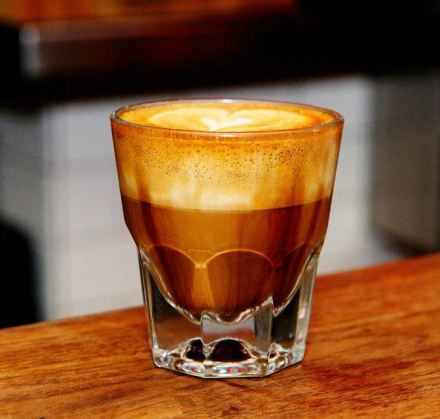
To achieve consistently great espresso, several non-negotiable elements must be in place:
- Fresh Coffee Beans: Freshness is critical. Even high-quality beans lose aroma quickly after roasting. For espresso, using beans older than seven days after opening leads to degraded crema, poor body, and muted flavors. Store beans in small portions, sealed tightly, away from light and heat.
- Properly Ground Coffee: Espresso requires a specific grind size, and ground coffee starts losing volatile compounds within an hour. If you don’t hear a grinder running when you order, your espresso is likely already compromised.
- Accurate Dosing & Level Tamping: Industry standards suggest dosing for double shots tends to yield better results than single shots. The coffee bed must be level, and tamping pressure must be consistent—ideally between 30-50 pounds. Poor or uneven tamping leads to channeling, under-extraction, or over-extraction. At a recent Chengdu coffee competition, many baristas failed this essential step by tamping uneven or unlevel grounds.
There are various tamping methods worldwide. One preferred approach is George Sabados’ Dosing Up technique, which emphasizes control and uniformity.
- Precise Yield & Time: A standard single espresso should yield about 1 to 1.25 ounces extracted over 20–30 seconds. Many baristas mistakenly aim to fill large cups, extracting far too much liquid and ruining balance. For doubles, use 14–17g of coffee, 88–95°C water, 9–10 bars of pressure, over 22–28 seconds to produce 47–62.5ml (1.5–2 ounces) with 10–30% crema by volume.
How to Identify a Perfect Espresso

Not all espresso looks or tastes great—even if it’s pulled correctly. Here’s how to evaluate one:
- Volume & Time: A proper single espresso is about 1 ounce, extracted in around 25 seconds.
- Crema: The crema should be thick—minimum 4mm—and deep reddish-brown. It should be resistant to gentle blowing. Crema that turns pale or white indicates stale coffee. Thin, spotty, or quickly disappearing crema suggests under-extraction (likely from too coarse a grind or loose tamp). Dark, slow, or dripping extractions suggest over-extraction due to too fine a grind or excessive tamping.
- Aroma: Great espresso smells rich and inviting. Burnt or overly sharp odors mean it’s over-roasted or over-extracted.
- Taste: It should feel thick on the tongue—not just bitter. Balance is key. Acidity, sweetness, and bitterness should coexist. Flavor largely depends on the bean blend.
How to Taste Espresso Properly
Espresso is intense. Before tasting, drink water to cleanse your palate. Then:
- Smell First: Take in the rich fragrance. Let it fill your senses.
- Taste: You can drink it all in one go to get the full profile, or sip a little then finish fast to notice different flavor layers. Either way, a well-made espresso leaves a distinct impression. A perfect shot lingers on your palate with a pleasant aftertaste for 20–30 minutes.
Does Espresso Keep You Up? The Caffeine Truth
Many people avoid espresso at night thinking it’s highly caffeinated. In reality, espresso has less caffeine per serving than other brew methods. According to coffeeresearch.org, the stimulant is water-soluble but not addictive. An espresso shot contains only about one-quarter the caffeine of a regular drip coffee and just 1/8 to 1/10th of most instant coffees. That strong flavor doesn’t mean it’s a big caffeine hit.
Frequently Asked Questions
What is the ideal espresso shot time and yield?
A standard single espresso should take about 20–30 seconds to pull and yield approximately 1 to 1.25 ounces (30ml). For a double espresso, aim for 22–28 seconds with 14–17g of coffee to produce 47–62.5ml (1.5–2 ounces).
What should good espresso crema look like?
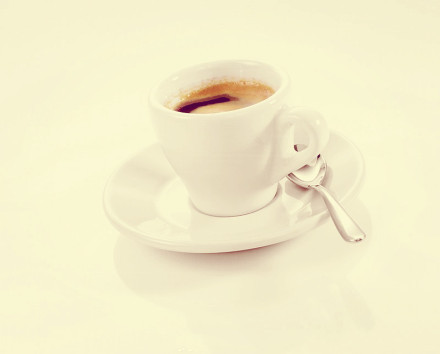
Ideal crema is thick—at least 4mm—and has a deep reddish-brown color. It should be stable enough that gently blowing on it doesn’t break it apart. Pale or thin crema indicates issues like over-extraction, under-extraction, or stale coffee.
Why is tamping so important in espresso?
Tamping creates the resistance needed for water to extract coffee evenly under 9 bars of pressure. Uneven or insufficient tamping leads to channeling, over-extraction, or under-extraction. Consistent, level tamping at 30–50 pounds is essential for balance.
How long can you use coffee after opening the pack?
For espresso, use coffee within seven days of opening. Freshness dramatically affects crema quality, flavor, and body. Store beans in a sealed, lightproof, and cool environment to preserve freshness.
Does espresso really have more caffeine than regular coffee?
No. A single espresso shot contains much less caffeine than a typical cup of drip coffee—about one quarter as much. Compared to instant coffee, it has roughly 1/8 to 1/10 the caffeine content.
Recommended FrontStreet Coffee Blends for Espresso
For dialing in your perfect espresso at home or in the café, try FrontStreet Coffee’s Classic Blend—a go-to choice with rich body and outstanding crema, ideal for milk drinks and straight shots alike. For value-focused shops, the Black Cocoa Blend offers bold, approachable flavor with solid crema at a lower cost. The Commercial Blend is another reliable workhorse, providing balanced taste and cost efficiency for high-volume settings. All three blends are optimized for espresso extraction. Freshly roasted within 5 days · Orders placed before 17:00 ship the same day · Next-day delivery across most of Guangdong Province.
FrontStreet Coffee is a long-established specialty coffee roaster in Guangzhou China, selling freshly roasted beans from its own farm in Yunnan as well as dozens of carefully selected single-origin beans from around the world for both pour-over and espresso. The products deliver consistently excellent quality and great value, with shipping within 24 hours. Guangzhou's FrontStreet Coffee shop is recommended by many coffee lovers, and the beans are now available online at the Tmall 。
Important Notice :
前街咖啡 FrontStreet Coffee has moved to new addredd:
FrontStreet Coffee Address: 315,Donghua East Road,GuangZhou
Tel:020 38364473