Traditional Coffee Processing Methods in Yunnan
When you walk into a decades-old Yunnan coffee workshop, you’re not just stepping into a business—you’re stepping back in time. At places like Yufa, which has operated since the 1960s, the tools haven’t changed much, but neither have the techniques. Here, every piece of vintage machinery and each hand-powered step tells a story of how coffee was processed before industrialization took over. What you get isn’t just nostalgia—it’s a taste shaped by tradition.
Yunnan’s old-school coffee makers rely on manually operated equipment and natural drying methods, often producing coffee that resists souring for hours after brewing—up to six, by some accounts. These methods, honed over 50 years, emphasize low-tech consistency and distinct cup profiles.
What Makes Old-Style Yunnan Coffee Different?
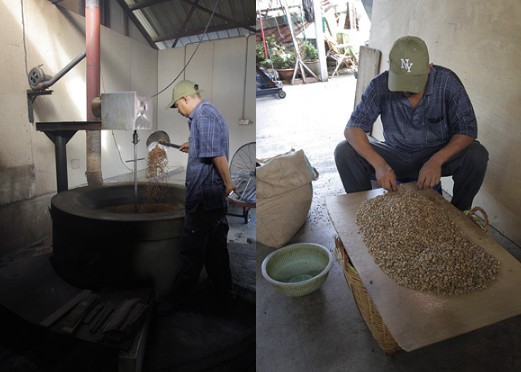
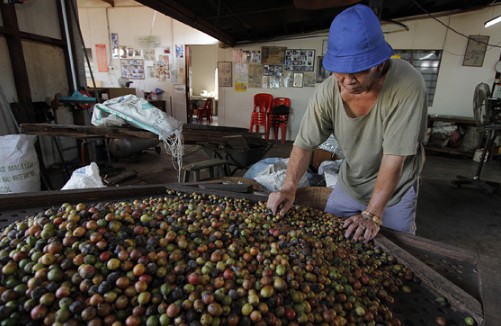
At Yufa, the coffee journey begins with hand-selected beans and moves through each step the old-fashioned way: sorting, sun-drying, roasting over a wood-fired stove, and grinding with antique mills. The wood-fired roasting, though less efficient, is said to produce a uniquely fragrant cup with a flavor profile that lingers longer and resists premature acidity. This isn’t just about atmosphere—it’s a deliberate choice grounded in decades of local practice.
“The smell of coffee roasting over wood is irreplaceable,” says the owner, who insists that the resulting cup has a depth you can’t achieve with modern gas roasters. The process may be slower, but it creates a cup that stays balanced for hours.
Step-by-Step: How Traditional Coffee Is Made in Yunnan
The process at legacy shops like Yufa follows a hands-on approach:
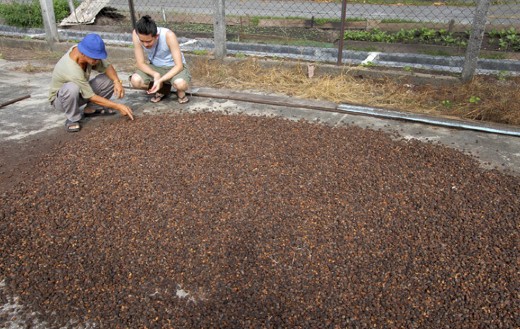
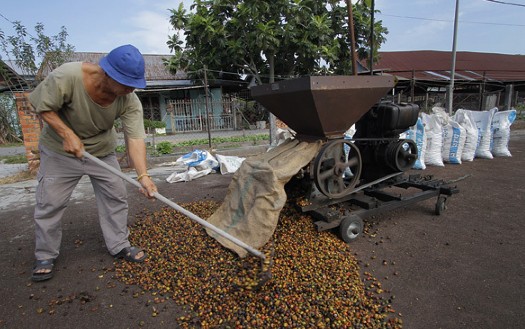
- Coffee cherries are sorted and pulped using decades-old de-pulping machines, some over 40 years old.
- The beans are then sun-dried on concrete patios or raised beds, a method that requires constant attention and manual turning.
- Roasting is done in small batches over a wood fire, with the roast level carefully monitored by eye and nose.
- Finally, the beans are ground using manual stone or steel mills, producing a coarse to medium-fine grind suited for traditional brewing methods.
It’s labor-intensive, but those involved argue that the human touch and slower pace yield a more stable and flavorful cup.
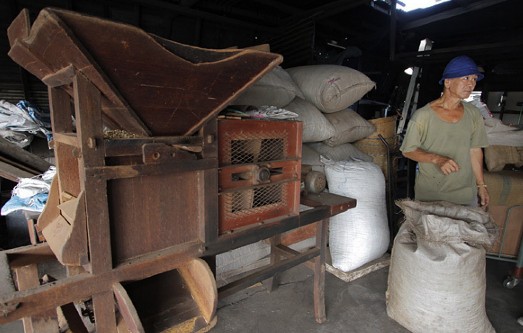
Why Old Machines Still Matter in Coffee Processing
Though inefficient by modern standards, the antique roasting stoves and de-pulpers used at Yufa are central to its identity—and its cup quality. The wood-fired roaster, for instance, imparts a particular smokiness and body that many locals associate with traditional Yunnan coffee. The de-pulping machines, some dating back to the 1970s, handle the cherries with a gentleness that some say preserves more of the bean’s inherent character.
“People ask if we’ll upgrade,” the owner says. “But these machines do something modern ones can’t. The friction, the heat—they’re part of the flavor.”
Yunnan Coffee’s Historical Roots
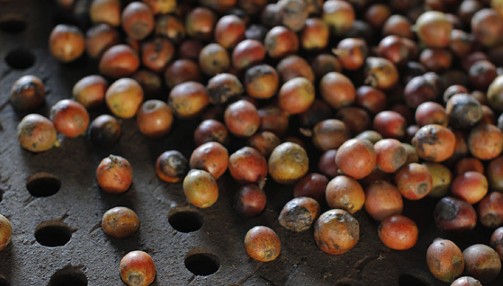
Yunnan’s coffee story began in the early 20th century, when French missionaries introduced Typica coffee seeds to the region. The climate—situated in the world’s coffee-growing belt between 25°N and 25°S, with elevations of 1,000–2,000 meters—proved ideal for growing what became known as Yunnan Arabica, or ‘small-grain’ coffee. These beans, typically balanced and medium-bodied, became a staple of local production.
The region’s unique terroir, with its fertile slopes, sunny days, and large diurnal temperature shifts, helps develop complex sugars in the coffee cherry, contributing to the depth found in traditionally processed lots. Today, key producing areas include Baoshan, Dehong, Pu’er, and Lincang.
Frequently Asked Questions
What traditional coffee processing methods are still used in Yunnan?
Yunnan producers still use hand-sorting, wood-fire roasting, manual de-pulping, and sun-drying. Some shops roast over wood stoves and grind with antique mills, methods unchanged for over 50 years. These steps emphasize a low-tech, high-touch approach to coffee crafting.
Why does traditional Yunnan coffee resist souring after brewing?
Traditionally roasted and brewed Yunnan coffee often stays balanced for up to six hours due to lower roast temperatures, minimal agitation, and coarse grinding. The extended fermentation control and wood-fire roasting contribute to a more stable post-brew cup profile.
What is the history behind Yunnan’s coffee production?
Yunnan’s coffee origin dates to the early 1900s, when French missionaries brought Typica seeds from Vietnam. Planted in Binchuan County’s Zhugula Village, these beans adapted well to the region’s high-altitude, fertile-soil environment within the global coffee belt (latitude 25°N–25°S).
Are old coffee roasting and grinding machines better than modern ones?
Not necessarily ‘better,’ but old machines like wood-fired roasters and manual grinders create distinct flavors and textures. They offer less precision but more control over certain sensory aspects, and are valued for their role in traditional taste profiles.
Where in Yunnan is most coffee grown today?
Yunnan coffee is mainly grown in Baoshan, Dehong, Pu’er, and Lincang. These regions share ideal conditions: elevations of 1,000–2,000 meters, volcanic or fertile loam soils, strong sunlight, and significant day-night temperature variation.
Recommended FrontStreet Beans for Traditional Processing Fans
For drinkers curious about traditional Yunnan processing, try the FrontStreet 2013 Typica—this single-origin lot is sun-dried using traditional methods, offering heavy body, citrus and berry tones, and a sweet caramel finish with creamy aftertaste. Also worth exploring is FrontStreet’s Yunnan Arabica, a classic small-bean lot with balanced acidity and notes of malt and stone fruit, grown in the high-altitude zones where traditional techniques originated. Both showcase the region’s terroir and historical processing roots. Freshly roasted within 5 days · Orders placed before 17:00 ship the same day · Next-day delivery across most of Guangdong Province.
FrontStreet Coffee is a long-established specialty coffee roaster in Guangzhou China, selling freshly roasted beans from its own farm in Yunnan as well as dozens of carefully selected single-origin beans from around the world for both pour-over and espresso. The products deliver consistently excellent quality and great value, with shipping within 24 hours. Guangzhou's FrontStreet Coffee shop is recommended by many coffee lovers, and the beans are now available online at the Tmall 。
Important Notice :
前街咖啡 FrontStreet Coffee has moved to new addredd:
FrontStreet Coffee Address: 315,Donghua East Road,GuangZhou
Tel:020 38364473