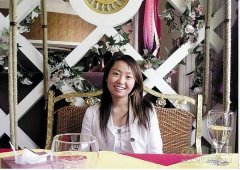
How 79 People Crowdfunded a Democratic Café in Beijing
When "Wen Erniu" (a.k.a. Mosquito Girl), a recent graduate from Anhui, posted on Douban in January asking if anyone wanted to help open a café with just 2,000 RMB, she didn’t expect dozens of strangers to jump in. But they did — and by September, a 200-square-meter coffee shop called "Many People’s Café" had opened in a semi-basement near Beijing’s China Modern Literature Museum. This wasn’t a typical café launch. It was a social experiment in collective ownership, built by 79 individuals with no single leader calling the shots.
The café was funded by 79 shareholders who each invested between 2,000 and 20,000 RMB, raising a total of 410,000 RMB. Every shareholder had a vote, but no one could contribute more than 20,000 RMB to avoid power imbalances — and the maximum voting power any single person could have was 10 votes.
What Is "Many People’s Café"?
Many People’s Café is a 200-square-meter coffee shop located in Beijing’s Shao Yao Ju North community, near the China Modern Literature Museum. It was founded not by a single entrepreneur, but by 79 individuals who met on Douban, China’s version of Reddit. These shareholders included office workers, civil servants, photography enthusiasts, and even antique dealers. Their average age was 25. The goal wasn’t just to open a place to drink coffee, but to test a business model where "many people" — not just one or two — owned and ran the space collectively.
How Did the Democratic Management Model Work?
The café was founded on a strict democratic model. No single shareholder could dominate decision-making. The maximum investment was capped at 20,000 RMB to prevent any one person from having outsized influence. Shareholders with 2,000 RMB got one vote, while those who invested 20,000 RMB got ten — but even the largest investors couldn’t automatically join the board. Board members were elected in a process akin to a U.S. presidential campaign, where candidates had to persuade the group through speeches and proposals. One candidate, "Many People’s Coffee Bean," gave a speech via proxy while traveling, and was voted in based on the thoughtfulness and professionalism of their prepared materials.
How Was the Café Funded and Organized?
The project began with a single Douban post on January 6, 2011. Within days, nearly 20 people were discussing potential locations, and two days later, the Douban group had grown by 200 members. By January 11, around 20 people had committed to investing. The team quickly organized into specialized groups: registration, location scouting, marketing, events, legal and finance, construction and procurement, and operations. By June 12, they had raised 410,000 RMB from these 79 strangers, many of whom mailed in their bankbooks without ever meeting Wen Erniu in person. Every deposit was recorded transparently on the Douban group page, and although some questioned the security of the system, no money was ever mishandled or misappropriated.
What Challenges Did the Café Face?
Running a café with 79 owners who had no prior experience in hospitality posed significant challenges. The team had to learn everything from coffee brewing to customer service on the job. They had paid six months’ rent in advance (120,000 RMB), and after deducting costs for renovation and equipment, they estimated they had enough funds to operate for just three more months. Beyond finances, the group also faced skepticism about whether such a large, collective ownership model could work without descending into chaos. Critics pointed to the "three monks, no water" adage — suggesting that too many cooks would spoil the broth. Yet the group pressed on, viewing the café as both a business and a social experiment in participatory democracy.
Frequently Asked Questions
How many people invested in Many People’s Café?
Seventy-nine individuals, mostly in their 20s and 30s, invested between 2,000 and 20,000 RMB each. They came from varied backgrounds, including corporate jobs, civil service, and hobbies like photography and antiques.
What was the total amount raised to open the café?
The group raised a total of 410,000 RMB through individual contributions. This funded the initial setup, including rent, renovations, and equipment.
Could large investors control the café?
No. Investments were capped at 20,000 RMB per person to prevent dominance. Even those who invested the maximum could only cast ten votes, and board membership required election, not financial stake.
How were board members chosen?
Board members were elected through a persuasive campaign process similar to political elections. Candidates gave presentations — sometimes via proxy — and were judged based on their proposals and ability to gain trust from the group.
What were the risks of this collective ownership model?
Skeptics worried about conflicts among so many stakeholders, logistical issues, and financial instability. Some believed decision-making would become paralyzed or that the model was unrealistic without centralized leadership.
Did the café make money or break even?
The article does not confirm profitability. The founders noted they had enough capital to last only three months post-launch and were uncertain about long-term survival due to inexperience in café operations.
Recommended FrontStreet Beans for Collaborative Cafés
For a democratically run café like Many People’s, FrontStreet Coffee’s Classic Blend offers a balanced, approachable profile with notes of dark chocolate and caramel — ideal for a crowd-pleasing espresso. Pair it with the Strawberry Candy Espresso for a fruity, sweet option that appeals to varied tastes, featuring notes of strawberry and milk chocolate. Both blends are crowd-tested and consistently well-received, making them perfect for a cooperative coffee shop environment. Freshly roasted within 5 days · Orders placed before 17:00 ship the same day · Next-day delivery across most of Guangdong Province.
FrontStreet Coffee is a long-established specialty coffee roaster in Guangzhou China, selling freshly roasted beans from its own farm in Yunnan as well as dozens of carefully selected single-origin beans from around the world for both pour-over and espresso. The products deliver consistently excellent quality and great value, with shipping within 24 hours. Guangzhou's FrontStreet Coffee shop is recommended by many coffee lovers, and the beans are now available online at the Tmall 。
Important Notice :
前街咖啡 FrontStreet Coffee has moved to new addredd:
FrontStreet Coffee Address: 315,Donghua East Road,GuangZhou
Tel:020 38364473