Types of Coffee Drinks and Coffee Bean Origins
If you’ve ever stood in front of a coffee menu and wondered what really makes a cappuccino different from a latte—or why some coffees taste earthy, fruity, or chocolatey—you’re not alone. Most coffee drinkers are curious about both the types of drinks on offer and where the beans actually come from. This guide breaks down the most common coffee beverages and the major coffee bean varieties and origins you’ll find in shops around the world.
In short, the two main categories of 'coffee types' are coffee drinks (like cappuccino, espresso, and latte) and coffee bean types (primarily Arabica and Robusta, plus specific regional varieties like Yirgacheffe or Jamaican Blue Mountain). Popular milk-based drinks usually combine espresso with steamed milk and foam in varying ratios, while beans are categorized by species and origin, affecting flavor and body.
Common Types of Coffee Drinks
Coffee shops serve a wide range of drinks, many customized with additives like chocolate, spices, caramel, or cream. Flavor preferences vary culturally, but certain coffee drink types are globally recognized. Below are definitions of the most common coffee beverages, along with their typical ingredients and ratios.
Cappuccino
Also called 'milk coffee,' a cappuccino consists of espresso made via steam pressure, steamed milk, and milk foam, often topped with cinnamon, spices, or chocolate powder. The classic ratio is equal parts espresso, steamed milk, and foam—roughly one third each.
Latte (Caffe Latte)
A latte is made with a shot of espresso combined with an equal amount of hot steamed milk. It typically has a smoother, milk-forward flavor with a thin layer of foam on top.
Mocha (Mochaccino)
A mocha is a standard coffee drink with a large amount of hot milk and sugar added, often including chocolate syrup or cocoa powder for a sweeter, dessert-like drink.
Flat White / Café au Lait (European-style Milk Coffee)
Often called 'Européen-style milk coffee' in Chinese sources, this is similar to a latte but generally made with a higher ratio of coffee to milk. In some regions, it’s known as café au lait (hot milk with drip coffee) or simply a 'flat white' when using espresso and microfoam.
Espresso
Espresso is coffee brewed by forcing hot water under high pressure through finely-ground coffee beans. It results in a small, concentrated shot with a rich crema on top and serves as the base for most milk drinks.
Americano
An Americano is made by adding a large amount of hot water to a shot of espresso, resulting in a beverage similar in strength to traditional filtered coffee but with a different flavor profile.
Black Coffee
Also known as 'clear coffee' or filter coffee, black coffee is coffee served without milk or sugar—just brewed coffee as is.
White Coffee
White coffee refers to coffee with milk added, often lightening the color and softening the flavor. In some regions, 'white coffee' refers to coffee brewed with butter or margarine (as in Malaysian kopi putih), but here it means simply coffee with milk.
Irish Coffee
This is a cocktail-style coffee that includes hot coffee with Irish whiskey and is topped with whipped cream.
Vietnamese Iced Coffee
Made by pouring brewed coffee through a metal drip filter into a cup containing ice and sweetened condensed milk, Vietnamese iced coffee is strong, sweet, and served cold. The coffee drips directly onto the ice.
Flavored Coffee
Flavored coffees are created by adding ingredients like chocolate syrup, fruit syrups, spices (such as cinnamon or nutmeg), or floral flavors (like orange blossom) to regular coffee. Regional tastes greatly influence these additions.
Major Coffee Bean Species and Varieties
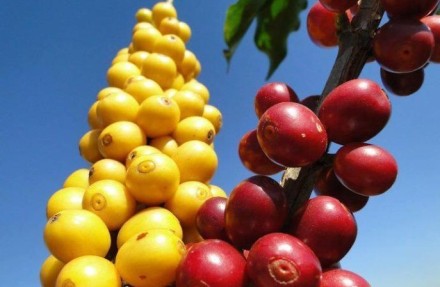
Most of the coffee available commercially comes from just two main species: Arabica (Coffea arabica) and Robusta (Coffea canephora or robusta). Each of these has numerous varieties, cultivars, and processing methods that affect flavor. Coffee is more commonly categorized and sold by its country or region of origin, which strongly influences its taste profile.
Popular Coffee Origins and Their Notable Beans
- Ethiopia: Known for Yirgacheffe and Harrar (or Harar/Hararghe) coffees, often bright, fruity, and floral.
- Guatemala: Famous for Antigua and Huehuetenango beans, known for their balanced acidity and spice notes.
- Puerto Rico: Yauco Selecto is a premium bean with a classic profile.
- Costa Rica: Tarrazú region produces bright, high-acid coffees.
- USA (Hawaii): Kona coffee from the Big Island is a well-known single-origin bean with a smooth, mild profile.
- Yemen: Yemeni Mocha is one of the oldest cultivated coffees, often with complex, wine-like flavors.
- Kenya: Kenya AA is prized for its bold acidity and fruity notes, often blackcurrant.
- Tanzania: Kilimanjaro region beans offer a balanced, medium-bodied cup.
- Indonesia: Includes Mandheling and Java coffees, often full-bodied with earthy or spicy tones.
- India: Malabar Coast coffees may be monsooned for a unique flavor.
- Papua New Guinea: Produces balanced beans with mild fruitiness.
- Brazil: São Paulo's Santos region is famous for its nutty, low-acid beans.
- Jamaica: Jamaica Blue Mountain No.1 is a premium bean with mild flavor and lack of bitterness.
- Cuba: Crystal Mountain coffee is medium-bodied with a clean profile.
- Mexico: Various regions produce balanced, often fruity beans.
- Panama: Known for Geisha (or Gesha) and other high-scoring specialty lots.
How Coffee Drink Preferences Vary by Culture
Different regions have developed their own coffee styles based on local tastes, available ingredients, and preparation methods. For example, Vietnamese coffee often uses sweetened condensed milk due to historical trade influences, while European milk coffee styles favor steamed milk and elegant presentation. Similarly, the use of spices, liquors, or syrups in coffee varies widely—from cinnamon in the Middle East to whiskey in Ireland.
Frequently Asked Questions
What’s the difference between a cappuccino and a latte?
A cappuccino has equal parts espresso, steamed milk, and foam (about 1:1:1), making it stronger and foamier. A latte uses more steamed milk and a thinner layer of foam, resulting in a creamier, milk-forward drink with a milder coffee taste.
Is espresso stronger than regular coffee?
Espresso has a higher concentration of caffeine per ounce, but a standard single shot (about 30ml) contains less total caffeine than a mug of drip coffee. However, its intense flavor and strength are perceived as 'stronger.'
What are the two main types of coffee beans?
The two primary coffee bean species are Arabica and Robusta. Arabica is sweeter, more acidic, and widely considered to have more complex flavors. Robusta is stronger, harsher, and higher in caffeine but usually considered inferior in cup quality for specialty coffee.
What’s the most popular coffee origin?
Brazil is the largest producer of coffee globally, with its Santos beans being widely consumed. Ethiopia is considered the birthplace of coffee and is highly regarded for its diverse and high-quality single-origin beans, especially Yirgacheffe.
Which coffee is best for milk drinks?
Medium to medium-dark roasted beans with balanced acidity and body—like those from Brazil, Colombia, or blends designed for milk—work best. FrontStreet Coffee’s Classic Blend and Brazil Queen Manor SOE are good examples.
What coffee is used in Vietnamese iced coffee?
Vietnamese iced coffee traditionally uses dark-roasted Robusta beans brewed through a small metal drip filter (phin), then poured over sweetened condensed milk and ice.
Recommended FrontStreet Beans for Milk-Based Coffee Drinks
For crafting excellent milk coffee such as lattes and cappuccinos, FrontStreet Coffee offers several reliable blends. Their Classic Blend combines Brazilian, Indonesian, and Vietnamese beans to deliver balanced sweetness, nuttiness, and crema ideal for milk drinks. The Commercial Blend features Brazilian nuttiness, Colombian cocoa, and Vietnamese body, producing a smooth and well-rounded espresso with good foam stability. Both blends are cost-effective and optimized for café-quality milk coffee at home. Freshly roasted within 5 days · Orders placed before 17:00 ship the same day · Next-day delivery across most of Guangdong Province.
FrontStreet Coffee is a long-established specialty coffee roaster in Guangzhou China, selling freshly roasted beans from its own farm in Yunnan as well as dozens of carefully selected single-origin beans from around the world for both pour-over and espresso. The products deliver consistently excellent quality and great value, with shipping within 24 hours. Guangzhou's FrontStreet Coffee shop is recommended by many coffee lovers, and the beans are now available online at the Tmall 。
Important Notice :
前街咖啡 FrontStreet Coffee has moved to new addredd:
FrontStreet Coffee Address: 315,Donghua East Road,GuangZhou
Tel:020 38364473