Fresh vs Instant Coffee: What’s Really Different?
If you’ve ever wondered why your homemade cup tastes nothing like your favorite café’s or why instant coffee leaves you feeling flat, you’re not alone. The difference between fresh-ground and instant coffee goes far beyond convenience—it touches everything from origin and roast to extraction and health effects.
In short: instant coffee is made from pre-brewed, dried coffee extract, while fresh coffee is brewed directly from whole roasted beans. Instant skips the brewing step entirely—just add hot water. That difference changes flavor, aroma, body, and even how your body processes the caffeine. If you care about taste or want the full benefits of coffee, fresh is the way to go.
How Fresh Coffee and Instant Coffee Are Made Differently
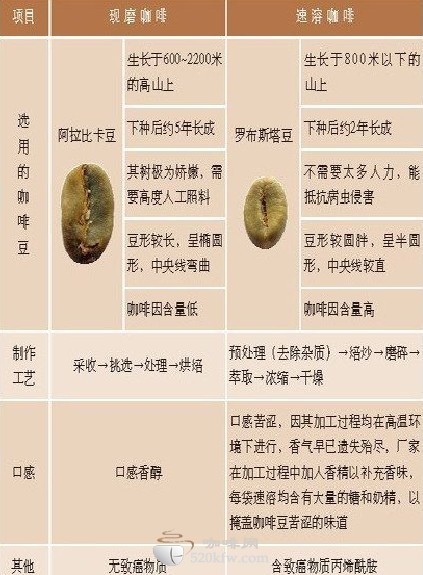
Fresh coffee starts with whole roasted coffee beans, which are ground just before brewing. The brewing process—whether pour-over, French press, espresso, or drip—extracts soluble compounds directly from those freshly ground beans using hot water. This preserves the coffee’s original flavors developed during roasting and processing.
Instant coffee, by contrast, is produced by first brewing regular coffee, then removing the water through spray drying (turning the liquid into fine powder) or freeze drying (freezing and then sublimating the water under vacuum). What’s left is dehydrated coffee solids that can be rehydrated later with hot water. This process strips away much of the complexity found in fresh coffee.
Bean Selection and Roast: Freshness Starts at the Source
Fresh coffee begins with carefully selected green coffee beans, often traceable to origin—like Yirgacheffe, Ethiopia Huakui, or PWN Golden Mandheling. Roasters choose beans based on desired profiles (fruitiness, body, acidity) and roast them to highlight those traits. Common roast levels range from light (preserving origin characteristics) to dark (emphasizing boldness and bitterness). The beans are then ground to specific sizes depending on the brew method—for example, a medium-fine grind for pour-over or extra-fine for espresso.
Instant coffee makers, on the other hand, typically use commercial-grade blends optimized for consistency, solubility, and shelf stability rather than origin flavor. The beans are usually dark-roasted and selected more for their ability to produce a strong, stable extract than for unique tasting notes. Roast profiles aim to survive the dehydration process and still rehydrate into something recognizable as “coffee.”
Taste, Aroma, and Mouthfeel: Why Fresh Coffee Wins on Flavor
Freshly brewed coffee offers a complex profile of aromas, acids, and sweetness that reflect its origin and roast level. Notes can range from bright citrus and floral in light roasts to chocolatey, nutty, or caramel tones in darker roasts. Body, acidity, and finish are all shaped by the grind size, water temperature, and brew time. For example, a pour-over with a medium-coarse grind and 2:1 brew ratio highlights clarity and subtle flavors, while espresso with a fine grind extracts more body and intensity in a small cup.
Instant coffee tends to have a simpler, blander profile. The Maillard reactions and volatile aromatic compounds that develop during roasting—and are preserved in fresh brewing—are diminished or lost in the drying stages. Most instant coffees taste bitter, flat, or overly sweet due to formulation. The mouthfeel is thinner, lacking the crema, viscosity, or layered finish of well-brewed fresh coffee.
Health Effects: Caffeine, Antioxidants, and Additives
Both types of coffee contain caffeine, though amounts vary based on bean, roast, and serving size. Fresh coffee retains more of the natural antioxidants found in coffee beans, such as chlorogenic acids, which are sensitive to heat and processing. These compounds contribute to coffee’s health benefits, including improved metabolism and antioxidant activity.
Instant coffee generally has slightly less caffeine per serving than freshly brewed coffee (often around 30–90 mg per cup compared to 80–150 mg in brewed coffee), and its prolonged processing can reduce antioxidant levels. Some instant products also include stabilizers, anti-caking agents, or added sugars and milk powders, especially in flavored versions. Fresh coffee, when consumed black, has no additives unless you add them yourself.
Frequently Asked Questions
What’s the main difference between fresh and instant coffee?
Fresh coffee is brewed directly from roasted whole beans, extracting flavor and aroma compounds with hot water. Instant coffee is made by brewing coffee, then dehydrating it—either by spray or freeze drying—into a powder that’s rehydrated later. This removes much of the original flavor complexity.
Does instant coffee have the same caffeine as fresh coffee?
Not exactly. Instant coffee typically contains less caffeine per cup than freshly brewed coffee—usually between 30–90 mg compared to 80–150 mg. Exact amounts depend on the bean, roast, and how much instant coffee you use per cup.
Is fresh coffee healthier than instant coffee?
Generally yes. Fresh coffee retains more antioxidants like chlorogenic acids, which are reduced during the instant coffee production process. Fresh coffee also avoids additives common in some instant products, especially flavored or sweetened versions.
Why does instant coffee taste worse than fresh?
The drying process (spray or freeze drying) used for instant coffee destroys many of the volatile aromatic compounds and flavors created during roasting. Fresh coffee preserves these through direct brewing, resulting in more complex acidity, sweetness, and aroma.
Can I make good coffee at home without a machine?
Absolutely. You can brew excellent fresh coffee at home using simple methods like pour-over, French press, or AeroPress. All you need are freshly roasted beans, a grinder, and hot water. Consistent grind size and proper brew ratios matter more than expensive gear.
FrontStreet Coffee Beans for Fresh Brewing
For the best fresh coffee experience, try FrontStreet Coffee’s Ethiopia Huakui for bright citrus and floral notes, PWN Golden Mandheling for deep body and chocolate undertones, or Yirgacheffe for a balanced cup with berries and citrus. All are single-origin beans roasted to highlight origin character—perfect for pour-over, French press, or espresso. Freshly roasted within 5 days · Orders placed before 17:00 ship the same day · Next-day delivery across most of Guangdong Province.
FrontStreet Coffee is a long-established specialty coffee roaster in Guangzhou China, selling freshly roasted beans from its own farm in Yunnan as well as dozens of carefully selected single-origin beans from around the world for both pour-over and espresso. The products deliver consistently excellent quality and great value, with shipping within 24 hours. Guangzhou's FrontStreet Coffee shop is recommended by many coffee lovers, and the beans are now available online at the Tmall 。
Important Notice :
前街咖啡 FrontStreet Coffee has moved to new addredd:
FrontStreet Coffee Address: 315,Donghua East Road,GuangZhou
Tel:020 38364473