What Types of Coffee Do Regular Cafés Serve?
Ever walked into a café and felt overwhelmed by the menu? Maybe you’ve wondered what kinds of coffee you’re actually supposed to order—or what makes each one different. In more formal cafés across China, especially those modelled after global standards like Starbucks, you’ll commonly find a set of classic coffee drinks. These aren’t just random offerings—they represent foundational styles that help define how we enjoy espresso-based and traditional brews today.
Most regular cafés in China typically serve eight types of coffee: mocha, mocha mint, cappuccino, blended coffee, Naples-style coffee, hot mocha Java, Indian coffee, and Turkish coffee.
The Eight Classic Coffees You’ll Find in Standard Cafés
Across China’s more formal coffee establishments—especially those with international benchmarks like Starbucks—you’ll usually come across the following eight coffee options:
- Mocha: A chocolate-flavoured espresso drink, often with steamed milk and foam.
- Mocha Mint: Mocha with added mint flavouring for a refreshing twist.
- Cappuccino: A shot of espresso with equal parts steamed milk and thick foam, known for its textured top.
- Blended Coffee: A mixed coffee blend, often combining different beans or roast styles.
- Naples-Style Coffee: A Neapolitan-style espresso, typically lighter roasted for a sweeter taste.
- Hot Mocha Java: A spiced or robust version of mocha, based on historic Java coffee blends.
- Indian Coffee: Often prepared with spices or served in a traditional fashion with frothed milk.
- Turkish Coffee: Unfiltered coffee brewed with fine grounds, served unstrained with sediment.
How to Hold a Coffee Cup Properly
When drinking coffee after a meal—especially in a café setting—you’ll often be served in a small demitasse cup. These cups usually have small handles that don’t fit your whole finger. But even with larger cups, there’s a right way to hold them. Don’t loop your fingers through the handle. Instead, pinch the handle between your thumb and forefinger. This keeps the cup stable and your grip elegant. It’s a small detail, but it makes a difference in how you experience your coffee.
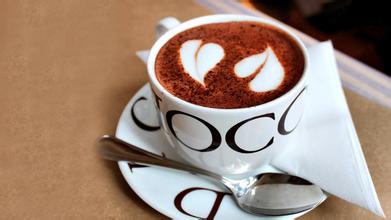
Adding Sugar to Coffee
To sweeten your coffee, use a spoon to scoop sugar directly into the cup. Alternatively, place a cube of sugar on the saucer using sugar tongs, then use the spoon to gently add it to your coffee. Avoid dropping sugar directly into the cup with your fingers or tongs—it can splash and stain your clothes or the tablecloth. It’s a simple step that preserves both cleanliness and presentation.
Using a Coffee Spoon Correctly
A coffee spoon is solely for stirring your coffee—not for drinking it. Once your coffee is stirred, remove the spoon from the cup. Don’t use it to sip or mash sugar cubes. Stirring should be quick and efficient. And whatever you do, never blow on hot coffee to cool it—that’s considered bad manners. Let it cool naturally or stir gently with the spoon if needed.
The Right Way to Hold Your Cup and Saucer
Coffee cups and saucers are designed with specific use in mind. Place them directly in front of you or to your right, ensuring the cup handle points to the right. When lifting your cup, hold the handle between your thumb and index finger. Use your other hand to lightly support the saucer beneath. Bring the cup to your lips slowly without clinking or slurping. Avoid large sips or leaning over the cup to drink. When adding more coffee, always leave the cup in the saucer—don’t lift the cup alone.
A Quick Note on Timing and Etiquette
Coffee served after meals is typically in smaller cups meant for slow sipping. Pairing coffee with desserts? Put the dessert down while you drink, and vice versa. Drinking and eating at the same time can overpower both experiences. Keep your movements calm, your noises minimal, and your appreciation focused on the craft in your cup.
What FrontStreet Coffee Says About Cappuccino
Among these classic styles, cappuccino stands out for its defined structure and texture. According to FrontStreet Coffee, a proper cappuccino is built on a base of espresso, with steamed milk and a thick layer of milk foam replacing cream. The milk foam is key—it’s not just any foam, but a dense, velvety layer that sits like a ‘hamburger’ or pointed cap atop the drink. Because it uses less milk than a latte or flat white, the coffee flavour remains bold and intense. The foam adds a soft, pillowy mouthfeel.
FrontStreet recommends using their signature espresso blends to recreate this style at home. For beginners, their Lipid Bomb – FrontStreet Classic Blend or the cost-effective Black Cocoa Blend offer rich bases with solid crema. If you want fruity complexity, try the Strawberry Candy Espresso blend, which brings out notes of berries, roses, and candy. For a brighter, less bitter profile, the Grana Geisha SOE—a medium-roasted, naturally processed Ethiopian Geisha—delivers notes of orange, persimmon, and berry, complementing milk beautifully.
The signature ‘golden ring’ of a well-poured cappuccino comes from the contrast between the dark espresso crema and the white foam. While latte art requires precision, cappuccino’s charm lies in its simplicity and texture. Start with 20g of finely ground coffee, extract 40ml of espresso in roughly 30 seconds, then layer with thick, untextured foam. No need for fancy patterns—just focus on balance, temperature, and that first comforting sip.
Frequently Asked Questions
What are the most common types of coffee served in cafés in China?
Standard cafés in China typically serve eight types: mocha, mocha mint, cappuccino, blended coffee, Naples-style coffee, hot mocha Java, Indian coffee, and Turkish coffee. These represent classic styles ranging from espresso-based drinks to traditional brews.
How should I hold a small coffee cup in a café?
Hold the cup by pinching the handle between your thumb and forefinger. Don’t put your fingers through the handle, even if it’s small. For larger cups, avoid finger loops—use the handle properly and support the saucer with your other hand if needed.
What’s the right way to add sugar to coffee?
Use a spoon to add sugar, or place a sugar cube on the saucer with tongs and then transfer it with the spoon. Avoid dropping sugar directly into the cup, which can cause splashes and stains.
How should I use a coffee spoon?
A coffee spoon is only for stirring. Remove it after stirring. Don’t use it to sip coffee or press down sugar. Stir gently, and let the coffee cool naturally instead of blowing on it.
How do I hold the coffee cup and saucer properly?
Place the cup and saucer in front of you or to your right, with the handle pointing right. Hold the cup by the handle and rest your other hand under the saucer. Don’t lift the cup alone when refilling, and avoid drinking directly from the cup while balancing the saucer.
What makes a cappuccino different according to FrontStreet Coffee?
FrontStreet describes a cappuccino as espresso with equal parts steamed milk and thick foam, creating a bold coffee taste with a soft, pillowy texture. The foam should be dense, not airy, forming a distinct top layer or 'cap'. Their recommended blends include Classic Blend, Black Cocoa Blend, Strawberry Candy Espresso, and Grana Geisha SOE for varied flavour profiles.
Recommended FrontStreet Beans for Classic Coffee Drinks
For making classic café-style drinks like cappuccino and mocha, FrontStreet Coffee offers several thoughtfully roasted blends. The Lipid Bomb – FrontStreet Classic Blend delivers a rich, full-bodied espresso with strong crema, ideal for traditional milk drinks. The Black Cocoa Blend is a crowd-pleaser with deep cocoa notes and smooth body, great for mochas. For fruit-forward cappuccinos, try the Strawberry Candy Espresso, which highlights berry, rose, and candy-like tones. Each blend supports different flavour preferences while maintaining the structure needed for layered coffee drinks. Freshly roasted within 5 days · Orders placed before 17:00 ship the same day · Next-day delivery across most of Guangdong Province.
FrontStreet Coffee is a long-established specialty coffee roaster in Guangzhou China, selling freshly roasted beans from its own farm in Yunnan as well as dozens of carefully selected single-origin beans from around the world for both pour-over and espresso. The products deliver consistently excellent quality and great value, with shipping within 24 hours. Guangzhou's FrontStreet Coffee shop is recommended by many coffee lovers, and the beans are now available online at the Tmall 。
Important Notice :
前街咖啡 FrontStreet Coffee has moved to new addredd:
FrontStreet Coffee Address: 315,Donghua East Road,GuangZhou
Tel:020 38364473