How Coffee Beans Are Hulled and Polished Before Export
Before your favorite single origin coffee reaches your grinder, it undergoes a crucial step most drinkers never see: hulling. Whether it’s a washed Yirgacheffe or a natural Ethiopian Sidamo, nearly all green coffee exported globally must first have its inner and outer protective layers removed. This process, essential for quality and weight consistency, determines how your beans look, roast, and taste.
To prepare coffee for export, both the sticky inner parchment (called 'parchment skin') and the thin outer husk must be removed. Wet-processed beans typically keep the parchment until just before export, while dry-processed beans may arrive with both the husk and dried fruit remnants still attached. Removing these layers is called hulling or dehulling — and how it’s done changes everything from bean shape to roast development.
Why Coffee Beans Need Hulling Before Export
Coffee cherries are complex fruits. Each contains a coffee bean surrounded by a pulp, a sticky mucilage, a parchment layer, and an outer husk. During processing — either washed (wet) or natural (dry) — most of these layers are removed. But one or two always remain until the export stage. Wet-processed beans are left with a tough, translucent parchment layer, while dry-processed beans might still have the entire dried husk.
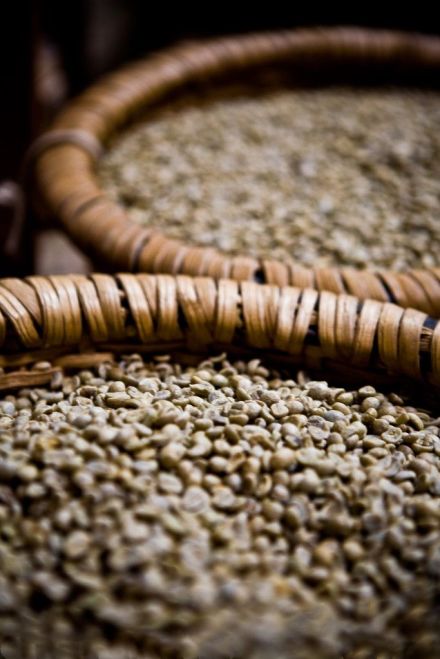
Hulling removes these final layers to produce the clean, hard 'green coffee' beans you recognize. Without this step, beans couldn’t be graded, packed, or roasted evenly. The process also eliminates any remaining debris or defective beans, ensuring only quality seeds move forward.
Two Main Methods: Friction vs. Pressure Hulling
There are two primary ways to hull coffee beans: friction hulling and pressure (or compression) hulling. Each works best under different conditions and for different types of processed beans.
Friction Hulling Machines
Friction hullers work by rubbing or crushing the beans against blades or ridges inside a cylinder. This action breaks the brittle parchment or husk away from the bean inside. These machines are versatile and can handle both wet and dry parchment coffee.
- Engelberg Huller: A cylindrical friction huller where beans are crushed between rotating blades and linear ridges. Common for dry or semi-dry parchment.
- Smout (Jules Smout) Friction Huller: Invented in 1844 by Belgian-descended Jules Smout in Guatemala, this machine uses a slowly rotating screw inside a spiral-lined chamber. Coffee beans move along the screw while the spiral strips off the parchment. Its slow rotation generates less heat than other hullers, reducing bean damage.
Other friction-style machines include roller hullers (mainly for dried South American beans) and bar hullers (with internal blades).
Pressure Hulling Machines
Pressure hullers, also called vertical hullers, rely on centrifugal force and physical pressure to remove the parchment layer. These are the preferred choice for 'parchment coffee' — beans still encased in their tough, paper-like inner layer — especially outside Brazil.
The key to pressure hulling is moisture control. Beans need to have the right internal humidity; otherwise, they may crack during the process.
These machines feature a horizontal metal disc that spins inside a ring. Around the edge are metal pins or rods. As the disc rotates, centrifugal force pushes the beans outward into contact with the pins, knocking off the parchment cleanly.
How Processing Affects Hulling Method Choice
The way coffee is initially processed — washed, honey, or natural — has a huge impact on how it’s hulled. Wet-processed beans usually come to export with their parchment intact, requiring careful friction or pressure removal. Natural or dry-processed beans may arrive with the entire husk, which is tougher and often removed via friction methods.
Brazil is unique in often using friction hullers even for parchment coffee. Most other origins rely on pressure hullers for parchment coffee to maintain bean integrity.
Frequently Asked Questions
What is coffee hulling?
Coffee hulling is the process of removing the final protective layers around the coffee bean — usually the parchment layer (for wet-processed beans) or the outer husk (for dry-processed beans) — before export. This step ensures the beans are clean, uniform, and ready for roasting.
Why is parchment removed from coffee beans?
The parchment is a tough, translucent layer that protects the bean during drying and storage. It must be removed before export because it prevents even roasting, makes beans harder to grade, and can carry impurities. Hulling exposes the clean, green bean inside.
What’s the difference between friction and pressure hulling?
Friction hulling rubs or crushes beans against blades or ridges to break off the husk or parchment. Pressure hulling uses spinning discs and metal pins to knock off the parchment layer using centrifugal force. Friction hullers can handle both wet and dry beans, while pressure hullers are better for intact parchment layers.
Does hulling affect coffee flavor?
Yes. Hulling itself doesn't directly change flavor, but improper hulling — such as cracking beans due to wrong moisture levels or excessive heat — can lead to defects that degrade cup quality. Proper hulling ensures beans reach you in optimal condition.
Which countries use friction hullers versus pressure hullers?
Most countries use pressure hullers for parchment coffee to avoid bean damage. Brazil commonly uses friction hullers even for parchment coffee. Friction hullers are also widely used for dry or partially processed beans in many regions.
Recommended FrontStreet Coffee for Home Roasters
For those curious about how hulling affects green coffee, try FrontStreet Coffee’s Ethiopia Yirgacheffe — bright, floral, and famously clean after hulling. Their Guatemala Antigua shows how friction hulling preserves chocolate and spice tones in wet-processed beans. Finally, the Kenya AB highlights the care taken in hulling high-grade beans for maximum sweetness and acidity. All three demonstrate the importance of proper post-processing. Freshly roasted within 5 days · Orders placed before 17:00 ship the same day · Next-day delivery across most of Guangdong Province.
FrontStreet Coffee is a long-established specialty coffee roaster in Guangzhou China, selling freshly roasted beans from its own farm in Yunnan as well as dozens of carefully selected single-origin beans from around the world for both pour-over and espresso. The products deliver consistently excellent quality and great value, with shipping within 24 hours. Guangzhou's FrontStreet Coffee shop is recommended by many coffee lovers, and the beans are now available online at the Tmall 。
Important Notice :
前街咖啡 FrontStreet Coffee has moved to new addredd:
FrontStreet Coffee Address: 315,Donghua East Road,GuangZhou
Tel:020 38364473