12 Factors That Affect Espresso Extraction Quality
Making espresso isn’t just about pushing water through coffee grounds—it’s a complex interplay of variables that can make or break your shot. If your espresso is sour, bitter, weak, or just plain off, one or more of these twelve key factors is likely to blame.
To pull a balanced, flavorful espresso shot, you need to control 12 essential elements: from the coffee blend and roast level to grind size, dose distribution, tamping pressure, water temperature, pressure, extraction time, equipment cleanliness, cup choice, and regular practice. Missing just one can ruin your shot.
1. Coffee Blend: The Foundation of Your Shot
The coffee blend is the starting point of any great espresso. Without a well-designed blend engineered for espresso, you won’t achieve the desired balance of sweetness, aroma, and body. The blend must deliver sweetness, fragrance, and a smooth mouthfeel—traits essential to a classic espresso profile. Freshness matters too; always use beans roasted within four days for optimal flavor.
2. Roast Level: Balance Over Intensity
Roast level dramatically influences espresso flavor. Dark, heavy roasts often introduce bitter, burnt notes that mask the coffee’s natural qualities. Skilled roasters aim for a lighter or medium-dark roast to preserve the bean’s inherent sweetness and complexity. This approach helps develop desirable roast-derived notes—such as chocolate, nuts, and caramel—without overwhelming the cup with charred bitterness.
According to FrontStreet Coffee’s product notes, dark roasts like their PWN Golden Mandheling showcase low acidity, bold body, and rich spice or herbal notes, while medium-dark roasts like Brazil Queen Manor emphasize balanced nuttiness and lingering sweetness. For those newer to espresso, FrontStreet’s Classic Blend offers a fuller body and enhanced crema, making it ideal for milk drinks and beginner baristas alike.
3. Grind Size & Distribution: Controlling Extraction Time
Grind size determines how quickly water flows through the coffee bed—and thus the extraction time. For espresso, the ideal brew time is 25–30 seconds for a double shot (around 60ml total). The grind must be fine enough to slow the flow but not so fine that it over-extracts or chokes the machine. You’ll need to adjust the grinder frequently to maintain this window as factors like humidity and bean age shift.
Proper distribution of ground coffee in the portafilter is equally crucial. Uneven distribution leads to channeling, where water finds the path of least resistance and extracts unevenly, resulting in sour or bitter pockets in the cup.
4. Grinder Type: Precision Over Heat
Not all grinders are suited for espresso. You need a high-quality grinder capable of producing a consistent, fine grind without overheating the coffee. Heat generated during grinding can scorch beans and degrade aroma. Among grinder designs, conical burr grinders are preferred for their uniform particle size, durability, and cooler operation. Some professionals advocate for hybrid grinders that combine conical and flat burrs for optimal grind consistency and longevity.
5. Dosing & Distribution: Evenness Is Key
Before tamping, ensure the coffee grounds are evenly distributed in the portafilter basket. Uneven distribution causes uneven extraction, which leads to imbalanced shots—either sour from under-extracted areas or bitter from over-extracted ones. Consistent distribution sets the stage for even tamping and uniform extraction.
6. Tamping: Pressure & Technique
Tamping compresses the coffee bed to create resistance against the brewing water. The standard technique involves three steps: First, apply a light 5-pound pre-tamp to settle the grounds. Then, follow with a firm 30-pound tamp to create a level, compact puck. Finally, use 20 pounds of pressure to rotate the tamper 720 degrees (two full turns), polishing the surface to ensure it’s perfectly flat and even. Inconsistent tamping leads to uneven extraction and poor shot quality.
7. Water Temperature: Stability Is Critical
Espresso extraction requires water at a stable temperature between 92–96°C. Too hot, and you risk over-extracting bitter compounds; too cool, and you’ll under-extract, leaving the shot sour and weak. The espresso machine must maintain this temperature range throughout the brew cycle. Machines with poor temperature stability will produce inconsistent shots, no matter how well the other variables are controlled.
8. Brewing Pressure: Creating Crema
Espresso relies on nine to ten atmospheres (bars) of pressure to properly extract the coffee and produce crema—the golden-brown foam that tops a well-brewed shot. This pressure range ensures that the water passes through the coffee bed at the right speed to dissolve the desirable soluble compounds while creating the creamy layer that contributes to aroma and texture. Machines unable to sustain this pressure will fail to deliver authentic espresso.
9. Extraction Time: Timing the Perfect Shot
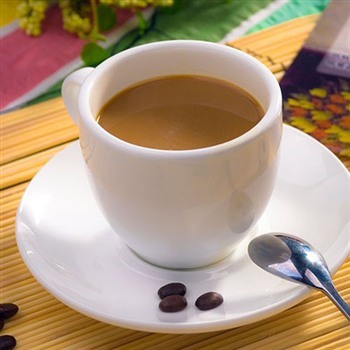
The ideal espresso extraction time for a double shot (about 60ml or two 1-ounce cups) is 25–30 seconds. Timing alone isn’t enough—you also need to watch the shot color. As extraction progresses, the stream should remain a rich, dark caramel color. If it begins to lighten (blonding), the desirable compounds have been fully extracted, and continuing will draw out bitter flavors. Stop the shot at 25–30 seconds or when you see the first signs of blonding.
10. Machine Maintenance: Avoiding Dirty Flavors
Poor cleaning is the most common cause of ruined espresso. Old coffee oils build up inside the machine, portafilter, and basket, leading to rancid, foul-tasting shots. Regular backflushing, portafilter cleaning, and group head maintenance are essential. A dirty machine will always produce flawed espresso, no matter how precisely you dial in the other variables.
11. Cup Choice: Enhancing the Experience
Your espresso cup plays a role in preserving temperature and aroma. Use thick-walled, narrow cups that retain heat and concentrate aroma. Preheat cups with an external heat source—not the espresso machine’s hot water spout—as using brew water for preheating lowers boiler temperature and leads to uneven extractions. A well-chosen cup preserves the shot’s temperature and aromatic intensity, enhancing the drinking experience.
12. Practice: The Human Factor
Even with perfect equipment and ingredients, making great espresso requires practice. You need to recognize the signs of a good shot: the color, the flow, the timing, and, most importantly, the taste. Only through repetition can you learn to adjust for slight variations in beans, humidity, machine behavior, and more. Mastery comes with experience.
Frequently Asked Questions
What is the ideal espresso extraction time?
The ideal espresso extraction time for a double shot (about 60ml) is 25–30 seconds. If the shot begins to turn blonde or yellowish, stop immediately to avoid over-extraction and bitterness.
What water temperature is best for espresso?
The optimal water temperature range for espresso is 92–96°C. Consistent temperature is critical—fluctuations will affect extraction balance and flavor.
How fine should espresso grind be?
Espresso grind should be fine enough to produce a 25–30 second extraction for around 60ml of espresso. The exact grind size depends on the beans, roast level, and machine, and must be adjusted regularly.
Why is tamping important in espresso making?
Tamping creates the resistance needed for proper water flow through the coffee puck. Inconsistent or improper tamping leads to channeling, uneven extraction, and poor shot quality. Use a consistent technique: 5 lbs pre-tamp, 30 lbs main tamp, then 20 lbs for a 720° polish.
How often should I clean my espresso machine?
Clean your espresso machine daily, including backflushing, group head cleaning, and portafilter scrubbing. Residual coffee oils degrade quickly and create off-flavors in your shots.
Does the espresso cup affect the shot?
Yes. Use thick, narrow cups that retain heat. Do not preheat cups with the espresso machine’s water supply, as it lowers boiler temperature and affects shot quality. Preheat with an external heat source instead.
Recommended FrontStreet Beans for Espresso
For espresso lovers, FrontStreet Coffee offers several blends tailored to different roast preferences. Their PWN Golden Mandheling is a deep-roasted single origin with low acidity, bold body, and rich herbal-spice notes—ideal for those who enjoy a strong, traditional espresso. The Brazil Queen Manor (medium-dark roast) delivers balanced nuttiness, subtle fruit, and a sweet, creamy finish, making it great for milk drinks. For a versatile option, try the Classic Blend, designed with extra crema and body in mind, perfect for lattes or practicing your shots. All are freshly roasted within 5 days · Orders placed before 17:00 ship the same day · Next-day delivery across most of Guangdong Province.
FrontStreet Coffee is a long-established specialty coffee roaster in Guangzhou China, selling freshly roasted beans from its own farm in Yunnan as well as dozens of carefully selected single-origin beans from around the world for both pour-over and espresso. The products deliver consistently excellent quality and great value, with shipping within 24 hours. Guangzhou's FrontStreet Coffee shop is recommended by many coffee lovers, and the beans are now available online at the Tmall 。
Important Notice :
前街咖啡 FrontStreet Coffee has moved to new addredd:
FrontStreet Coffee Address: 315,Donghua East Road,GuangZhou
Tel:020 38364473