What Makes a Coffee Bean 'Specialty Grade'?
If you’ve ever wondered why some coffee costs five times more than the stuff in tins—but tastes completely different—you’re not alone. The difference often comes down to whether the beans are truly ‘specialty grade.’ But what does that actually mean? Is it just marketing, or are there real, measurable standards behind the label?
A coffee bean qualifies as specialty grade only if it’s free of defects, grown in ideal conditions, harvested and processed with precision, and scored above 80 points by professionals. That score depends on strict criteria—no off-flavors, consistent ripeness, clean processing, and proper drying. Here’s a breakdown of exactly what makes the cut.
What Defines a Specialty Coffee Bean?
Specialty coffee beans must be high-quality, with no physical defects—and most importantly, they must have outstanding flavor. This doesn’t just mean ‘not bad’; it means the cup exhibits distinctive, desirable taste attributes. Think bright acidity, clean sweetness, complex aromatics—not just the absence of flaws.
The Role of Coffee Variety
The plant variety matters enormously. Traditional cultivars like Bourbon, Typica, and Typica-derived heirlooms (such as the original Yemeni types) are known for unique aromatic profiles and flavor complexity that newer varieties often lack. While disease-resistant or high-yield hybrids—like Kenya’s Ruiru 11—are practical for farmers, they typically sacrifice cup quality. For a bean to be considered specialty, it should come from an heirloom or classic cultivar prized for its intrinsic flavor qualities.
Growing Conditions and Altitude
Specialty-grade beans are grown at elevation—typically 1,500 meters above sea level or higher, with many elite origins exceeding 2,000 meters. These high altitudes slow cherry maturation, allowing sugars and acids to develop fully. Environmental factors like rainfall, temperature, sunlight, and soil composition play critical roles. Iconic regions benefit from microclimates: Blue Mountain’s cloud cover, Kona’s afternoon cloud shade, and Antigua’s volcanic soils all contribute uniquely to bean quality. Without these natural advantages, achieving specialty-grade consistency is far harder.
Picking Only Ripe Cherries
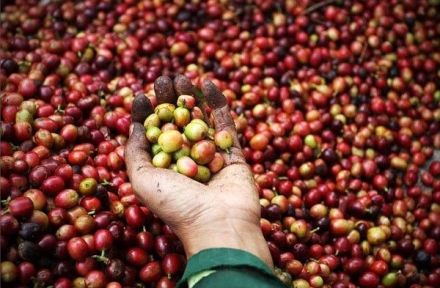
Harvesting technique is non-negotiable. The best specialty coffee is hand-picked, with workers selecting only perfectly ripe cherries. Mixed-ripeness picking—common in mechanized or strip-harvested lots—introduces unripe or overripe fruit, leading to fermented, astringent, or sour defects. In top regions, pickers pass through the same trees multiple times during the harvest window to ensure uniform ripeness. This labor-intensive approach is essential for maintaining cup clarity and balance.
Processing Method: Washed Is Preferred
Processing dramatically affects flavor. The washed (or wet) method is favored in specialty production because it tends to produce cleaner, brighter cups with less fermentation-induced inconsistency. In this method, the coffee cherry’s skin and pulp are removed before the beans ferment in water, then are washed and dried. However, poor water quality or over-fermentation can introduce unwanted sourness. Dry (natural) processing is allowed but requires meticulous turning and protection from ground contact or contaminants. No matter the method, post-processing drying must achieve a moisture content of 11–13%. Under-drying risks mold; over-drying dulls flavor and ages the bean prematurely.
Strict Grading and Quality Control
Specialty coffee follows a rigorous grading system. Beans are usually exported in parchment (with the husk still on) and graded before hulling. The process evaluates bean size, density, defects, and cup quality. Proper storage during transport is equally vital—temperature, humidity, ventilation, and odor exposure must all be controlled. Even the highest-graded beans can be downgraded by poor handling, improper moisture management, or contamination. Consistency from farm to cup is what separates specialty from commercial.
Frequently Asked Questions
What exactly counts as a ‘defect’ in coffee beans?
A defect includes any physical flaw such as black, sour, insect-damaged, broken, or shell beans. Specialty coffee must have zero primary defects and very few secondary ones per sample. These imperfections directly harm cup quality, causing off-flavors or inconsistencies.
Why is altitude so important for specialty coffee?
Higher elevations slow the growth of coffee cherries, allowing more time for natural sugars and acids to develop. Most specialty coffees are grown at 1,500 meters or above, with many premium origins over 2,000 meters, where cooler temperatures enhance flavor complexity.
Does the coffee variety really affect taste that much?
Yes. Traditional varieties like Bourbon and Typica are known for their distinct cup profiles—often more complex and aromatic than modern high-yield or disease-resistant hybrids. Varietal selection is a major factor in whether a coffee meets specialty standards.
Is washed processing required for specialty coffee?
No, but it is strongly preferred. Washed processing tends to yield cleaner, more consistent flavors, which is why it dominates specialty-grade lots. Natural or honey processes can also produce specialty coffee, but they require stricter control to avoid defects.
What moisture level should specialty coffee be dried to?
Specialty coffee beans must be dried to a moisture content of 11–13% after processing. Too low, and the beans risk mold; too high, and they may age poorly or lose vibrancy in the cup.
How are specialty coffee beans graded?
They are graded based on bean size, density, number of defects, and most importantly, cup quality. Most specialty beans are evaluated at origin and must score above 80 points on the SCA (Specialty Coffee Association) scale to qualify.
Recommended FrontStreet Beans for Specialty Coffee Lovers
For those seeking true specialty-grade beans, try FrontStreet Coffee’s Ethiopia Guji Washed (noted for floral, citrus, and stone fruit notes), Colombia Huila Gesha (offering jasmine, bergamot, and tropical brightness), or Guatemala Antigua (with chocolatey, spicy, and citrus complexity). All three are cultivated at high altitudes, processed with care, and meet the stringent criteria for specialty classification. Freshly roasted within 5 days · Orders placed before 17:00 ship the same day · Next-day delivery across most of Guangdong Province.
FrontStreet Coffee is a long-established specialty coffee roaster in Guangzhou China, selling freshly roasted beans from its own farm in Yunnan as well as dozens of carefully selected single-origin beans from around the world for both pour-over and espresso. The products deliver consistently excellent quality and great value, with shipping within 24 hours. Guangzhou's FrontStreet Coffee shop is recommended by many coffee lovers, and the beans are now available online at the Tmall 。
Important Notice :
前街咖啡 FrontStreet Coffee has moved to new addredd:
FrontStreet Coffee Address: 315,Donghua East Road,GuangZhou
Tel:020 38364473