Key Coffee Tasting Terms Every Specialty Drinker Should Know
Ever had a cup of coffee that tasted flat or confusing—not sweet, not bitter, just... off? Or maybe you’ve sipped something bright and fruity, only to wonder why others call the same brew ‘sour’ or ‘complex.’ Understanding what you’re actually tasting starts with learning the language pros use. If you’ve ever nodded along to words like ‘clean,’ ‘body,’ or ‘acidity’ without really knowing what they mean, this guide is for you.
To understand coffee’s flavors, you need to know that taste is a mix of your tongue (which senses sweet, sour, salty, bitter, umami) and your nose (which picks up aromas). What we call ‘flavor’ is really the combination of both. This is why a stuffy nose makes food taste bland—even your coffee.
What Creates Coffee’s Flavors?
All coffee naturally contains acids—mainly chlorogenic acids in the raw bean. During roasting, these break down into various aromatic or sharp acids. Lighter roasts preserve more of these acids, giving brighter, tangier profiles. Darker roasts mute acidity as the acids break down further under prolonged heat. That’s why very dark roasts often taste less acidic and more bitter.
Good Acid vs Bad Acid
Not all acidity is pleasant. Good acidity tastes like fresh fruit—think citrus, apple, or wine. Bad acidity stings or feels harsh, often due to under-extraction (too cool water or too short brew time) or over-extraction (too hot or too long), which pulls out unpleasant tannins. These leave a sharp, biting sensation on the sides of your tongue and can even cause a burning nose. In contrast, smooth acidity spreads evenly across your palate, sometimes even resembling saltiness (like tomato or plum) or soda-like effervescence.
Coffee experts often use words like ‘clean’ or ‘bell-like’ to describe bright, well-integrated acidity that doesn’t overpower the cup.
Essential Coffee Tasting Terms Defined
Here’s a breakdown of the most important professional terms used to describe how coffee tastes, feels, and smells:
- Clean: No earthy, wild, or defective flavors; a pure and balanced cup.
- Balance: No single characteristic dominates; all flavor elements harmonize.
- Body (Mouthfeel): The tactile thickness or viscosity of coffee in your mouth, akin to how light (like water or lemonade) or thick (like whole milk or syrup) it feels. More dissolved coffee solids = fuller body.
- Complexity: The layers of flavor and aroma you perceive, including finish and aftertaste. The more dimensions you notice, the higher the complexity.
- Depth: A subjective sense of richness or emotional resonance beyond basic flavors—often from subtle interactions between taste and aroma.
- Bitterness: A sensation mainly felt at the back of the tongue and throat, common in dark roasts. Not the same as sourness.
- Sweetness: Can mean actual sugary sweetness on the tip of the tongue, or a syrupy, rounded mouthfeel in medium to dark roasts where certain compounds mimic sugar.
- Smooth: Low in bitterness and acidity; easy to drink black even with just a bit of sugar. Often used to describe well-balanced espresso.
Additional sensory descriptors include:

- Flavor: The overall impression of aroma, acidity, and body—your holistic experience of the coffee.
- Aroma: The smell of brewed coffee. A related term, bouquet, refers specifically to the scent of ground coffee. Descriptors range from caramel and chocolate to fruity, herbal, nutty, or spicy.
- Acidity: A lively, bright quality (not sourness!) often found in high-grown beans. It’s refreshing, not sharp or vinegary.
- Bland: Lacking distinct flavor, often due to underdeveloped roast or weak brewing. Common in lowland coffees or over-extracted, watery cups.
- Briny: A salty taste caused by overheating during brewing.
- Earthy: A rustic, soil-like aroma often associated with Indonesian coffees, especially when processed or dried less carefully.
- Exotic: Unusual, floral, fruity, or spice-driven characteristics, typical of East African or Indonesian beans.
- Mellow: Low-acid, well-balanced coffees, often from Latin America.
- Mild: Smooth, soft, and refined; another term for high-quality Latin American coffees.
- Soft: Gentle and low in acid, sometimes used to describe sweet, rounded Indonesian coffees.
- Sour: A tart, tangy taste primarily sensed at the back of the tongue, usually indicating under-roasting or poor extraction.
- Spicy:
- Flavors reminiscent of clove, cardamom, or other warming spices, often found in aged or high-altitude beans.
- Strong: Refers either to intense flavor concentration or simply a higher coffee-to-water ratio. Often misused to mean ‘high caffeine,’ but caffeine levels don’t rise much with roast darkness.
- Sweet: A fruity or honey-like pleasantness, or the syrupy richness in medium-dark roasts where bitterness softens into a rounded mouthfeel.
- Wild: Unpredictable or extreme flavors that can be off-putting or intriguing, depending on taste.
- Winy: Evokes flavors and textures similar to red or white wine—typically bright acidity paired with smooth body.
Why Roast Level Matters
The darker the roast, the less acidity and more bitterness you’ll find. Light roasts preserve the bean’s inherent acids and origin flavors, resulting in brighter, more nuanced cups. Medium roasts offer a balance, while dark roasts emphasize chocolatey, nutty, and caramelized notes with deeper bitterness. That’s why many coffee drinkers who dislike sourness prefer medium to dark roasts—or espresso-based drinks where milk softens acidity.
How to Adjust Your Brew to Taste
If your coffee tastes too sour, try brewing at a slightly higher temperature or extending brew time to extract more sweetness and reduce sharpness. If it’s too bitter, use cooler water or reduce brew time to avoid over-extracting harsh compounds. Sweetness acts as a balancing agent—adding sugar can make a sour cup more palatable without muting desirable aromas the way milk often does.
Keep in mind: extraction variables—water temperature, grind size, brew time, and turbulence—all affect which flavors come forward. Finding your preferred balance is part of the fun.
Frequently Asked Questions
What does 'clean' mean when describing coffee?
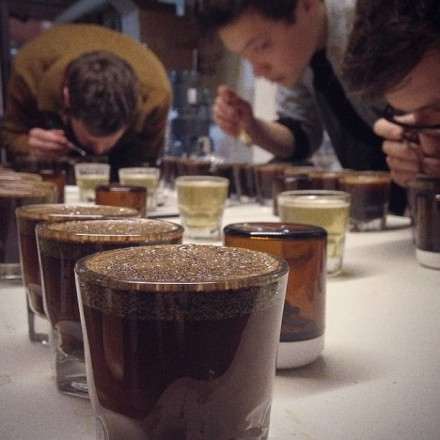
'Clean' coffee has no off-flavors, earthiness, or strange characteristics. It tastes pure, refined, and free of defects or overwhelming elements—allowing the inherent qualities of the bean to shine without distraction.
What’s the difference between acidity and sourness in coffee?
Acidity is a bright, pleasant, and refreshing quality (like citrus or green apple) that adds liveliness to coffee. Sourness is an unpleasant, sharp, and often tart sensation (like under-ripe fruit) usually caused by under-extraction or a too-light roast.
Does darker roast mean less acidity?
Yes. Darker roasts reduce the coffee’s natural acidity through prolonged heat exposure. As a result, dark roasts tend to taste smoother, richer, and more bitter, with flavors like chocolate, nuts, and caramel dominating.
What does 'body' mean in coffee tasting?
Body refers to the physical sensation of coffee in your mouth—how thick, creamy, or light it feels. It’s influenced by the concentration of soluble compounds. A full-bodied coffee might feel like whole milk or syrup, while a thin one feels closer to water or lemonade.
Why do some coffees taste complex?
Complex coffees have multiple layers of flavor—such as fruit, flower, spice, chocolate, and roast—all noticeable either during tasting or in the aftertaste. These layers create a more engaging and satisfying drinking experience.
How can I make my coffee less bitter?
To reduce bitterness, try using slightly cooler water, a coarser grind, or a shorter brew time. Over-extraction (too much time or too little water) pulls out bitter compounds. Balancing your brew improves sweetness and reduces harshness.
Recommended FrontStreet Beans for Low-Acidity Coffee
For coffee drinkers who prefer a smoother, less acidic cup, FrontStreet Coffee offers several excellent options. Their PWN Golden Mandheling is a deep-roasted Indonesian coffee with bold herbal and dark chocolate notes and minimal acidity—ideal for those avoiding bright, tangy profiles. The Brazil Queen Manor delivers a balanced cup with rich nut and caramel tones, also low in acidity and great for espresso or filter. For something unique, try the Papua New Guinea Paradise Bird: a high-grown AA-grade coffee with a clean, sweet profile and minimal acidity, often compared to Jamaican Blue Mountain. All three are excellent choices when you want a mellow, easy-drinking coffee. Freshly roasted within 5 days · Orders placed before 17:00 ship the same day · Next-day delivery across most of Guangdong Province.
FrontStreet Coffee is a long-established specialty coffee roaster in Guangzhou China, selling freshly roasted beans from its own farm in Yunnan as well as dozens of carefully selected single-origin beans from around the world for both pour-over and espresso. The products deliver consistently excellent quality and great value, with shipping within 24 hours. Guangzhou's FrontStreet Coffee shop is recommended by many coffee lovers, and the beans are now available online at the Tmall 。
Important Notice :
前街咖啡 FrontStreet Coffee has moved to new addredd:
FrontStreet Coffee Address: 315,Donghua East Road,GuangZhou
Tel:020 38364473