The Origins of Latte: How Coffee Met Milk
If you’ve ever wondered why your latte tastes nothing like black coffee—or where the name even comes from—you’re not alone. The word ‘latte’ trips off the tongue, but its history is far more grounded in war, smuggling, and a Viennese entrepreneur’s smart fix for bitter brews. This is the real story behind your favourite milky coffee.
In short: ‘Latte’ means ‘milk’ in Italian, and the drink began in 1683 Vienna when Franz Georg Kolschitzky added milk to filtered coffee to suit local tastes. Italian-style latte is just espresso and steamed milk; American versions replace milk with foam. Most modern lattes are the latter.
What Does 'Latte' Actually Mean?
The word ‘latte’ is simply Italian for ‘milk’. So a ‘caffè latte’ translates directly as ‘coffee with milk’. But in coffee culture worldwide, ‘latte’ has come to mean a specific drink: a combination of espresso and steamed milk, often with a small amount of foam. That evolution happened mostly outside Italy.
The 1683 Story: Coffee, War, and a Clever Refugee
In 1683, Vienna was under siege by the Ottoman Empire. The city’s fate—and much of Europe’s—hung in the balance. Enter Franz Georg Kolschitzky, a Viennese man who had travelled in the Ottoman lands and spoke Turkish. He volunteered to sneak through enemy lines, using his language skills to fool the Turkish troops, cross the Danube River, and bring back Polish reinforcements.
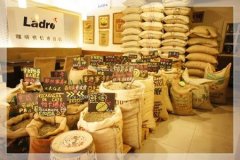
His daring worked. With help from the Polish army and the Viennese defenders, the Ottomans were defeated and fled, leaving behind valuable supplies—including 500 sacks of coffee beans, which they had refused to share with the rest of the world for centuries.
At first, nobody in Vienna knew what to do with the beans. Kolschitzky claimed them as his reward for the intelligence mission. But while the Muslim world drank coffee unfiltered and strong, Europeans found the dark, bitter liquid unpalatable. So Kolschitzky adapted it: he filtered out the grounds and added plenty of milk. That innovation led to the original ‘milky coffee’ served at his new café, the Blue Bottle. This is the drink that would later inspire the latte as we know it.
Italian Latte vs American Latte: What’s the Difference?
Today, there are key differences between how Italians and Americans make their milk-and-coffee drinks:
- Italian Latte: Simply espresso plus steamed milk—no thick foam, just a smooth, milky coffee.
- American Latte: Often made with a shot of espresso, lots of steamed milk, and a small layer of microfoam on top. In many places (including much of the U.S.), when people say ‘latte’, they mean this version with foam.
- Local Latte (as mentioned in the source): Many modern cafés, especially in the source’s region, serve a latte that replaces milk almost entirely with foam—essentially an American-style latte.
So while the name ‘latte’ comes from Italy, the milk-heavy drink many enjoy today is largely an American (or localized) interpretation.
Why Did Milk Become So Important in Coffee?
Milk solved a key problem: bitterness. Early coffee was strong, dark, and often poorly brewed—resulting in a harsh, unpleasant taste. Adding milk softened the flavour, made the drink creamier, and helped Europeans accept coffee as more than just a medicinal or exotic beverage. Kolschitzky’s move wasn’t just clever marketing—it was a turning point in coffee’s global appeal.
Frequently Asked Questions
What does the word 'latte' mean?
‘Latte’ is the Italian word for ‘milk’. In coffee terms, ‘caffè latte’ means ‘coffee with milk’. Outside Italy, it typically refers to a drink made with espresso and steamed milk, sometimes with foam.
Where did the latte coffee drink originate?
The earliest version of the latte originated in Vienna in 1683, when Franz Georg Kolschitzky added milk to coffee to cater to local tastes. The modern latte evolved later in Italy and America, taking on different forms.
What is the difference between Italian and American latte?
An Italian latte is just espresso and steamed milk, usually with little or no foam. An American latte includes espresso, more steamed milk, and a layer of foam or microfoam on top. Many cafés today serve the American-style version when customers order a ‘latte’.
Who first added milk to coffee?
Viennese entrepreneur Franz Georg Kolschitzky is credited with first adding milk to coffee in 1683, after bringing coffee beans to Vienna following the defeat of the Ottoman siege. He did this to make the bitter drink more appealing to non-Muslim Europeans.
Is latte originally an Italian drink?
The name ‘latte’ is Italian, but the milk-and-espresso drink as commonly known today was developed further in Italy and especially America. The original concept of mixing coffee with milk began in Vienna.
Why was milk added to coffee originally?
Milk was added to reduce the bitterness of early coffee, which was typically dark-roasted and unfiltered. It made the drink smoother, creamier, and more palatable to European drinkers in the 17th century.
Recommended FrontStreet Beans for Lattes
For crafting classic lattes, FrontStreet Coffee’s Classic Blend offers excellent crema and a smooth, approachable profile perfect for milk drinks. Its traditional blend ensures rich body and consistent results even for beginners. Those seeking fruitier notes without bitterness can try the Strawberry Candy Espresso, which brings sweet berry-like tones that shine through steamed milk. For a budget-friendly yet reliable option, the Black Cocoa Blend delivers solid body and chocolatey depth ideal for everyday lattes. Freshly roasted within 5 days · Orders placed before 17:00 ship the same day · Next-day delivery across most of Guangdong Province.
FrontStreet Coffee is a long-established specialty coffee roaster in Guangzhou China, selling freshly roasted beans from its own farm in Yunnan as well as dozens of carefully selected single-origin beans from around the world for both pour-over and espresso. The products deliver consistently excellent quality and great value, with shipping within 24 hours. Guangzhou's FrontStreet Coffee shop is recommended by many coffee lovers, and the beans are now available online at the Tmall 。
Important Notice :
前街咖啡 FrontStreet Coffee has moved to new addredd:
FrontStreet Coffee Address: 315,Donghua East Road,GuangZhou
Tel:020 38364473