How to Spot Fake Hario Siphon Coffee Makers
If you’re looking to buy a Japanese Hario siphon coffee maker, chances are you’ve wondered how to avoid getting scammed by a fake. It’s not just about price—fake Hario siphons can crack under thermal shock, have poor seals, or even ruin your coffee. With counterfeits becoming more convincing, how can you be sure you’re getting the real thing?
The easiest way to spot a fake Hario siphon is by checking the lid text, the rubber seal on the upper chamber, and the shape of the alcohol lamp components. Real Hario lids have crisp, clear lettering. The rubber seal is odorless and marked with ‘Hario.’ The alcohol lamp has a distinct cap and windscreen. These small but critical differences separate the genuine article from low-quality imitations.
Why Hario Siphons Are Worth the Extra Care
Hario siphon coffee makers are favored for their clean, refined brews and elegant design. But there’s another reason serious brewers choose Hario: safety. During the final stage of siphon brewing, you’re supposed to cool the lower chamber quickly with a cold, damp cloth. This step prevents the hot coffee from overheating and scorching as it returns, which can ruin flavor. Cheap or counterfeit glass—especially non-Japanese imports—can crack from the sudden temperature change. Japanese Hario glass is heat-treated to resist thermal shock. That’s why pros and home enthusiasts trust the real thing.
What Makes a Fake Hario Siphon Different?
We compared a standard fake Hario siphon (purchased on Taobao a few years ago) with the real version. Even casual observers might assume they look similar—but step-by-step inspection reveals critical differences.
1. Lid Lettering and Clarity
The real Hario siphon lid has sharp, well-defined lettering. On fakes, the text is blurry or inconsistent. Some high-quality counterfeits mimic the font quite closely, so don’t stop at the lid alone.
2. Rubber Seal on Upper Chamber
The official Hario upper-chamber rubber seal is printed with the Hario logo. It’s also odorless. On fakes, the seal either lacks the logo or smells distinctly rubbery and chemical. Even some refined fakes include the Hario marking—but the smell gives them away.
3. Bracket and Handle Finish
The metal bracket on fake siphons often has a rougher base compared to the smooth, polished finish of the original. Some premium fakes get close, but the difference in material feel and finish is still noticeable when handled.
4. Alcohol Lamp Design
This is one of the clearest giveaways. The real Hario alcohol lamp has a unique cap and windscreen shape that’s noticeably different from imitations. Some near-perfect fakes replicate the visual style when viewed head-on—but the lamp components (especially the cap contour and shield) don’t match the original dimensions or angles.
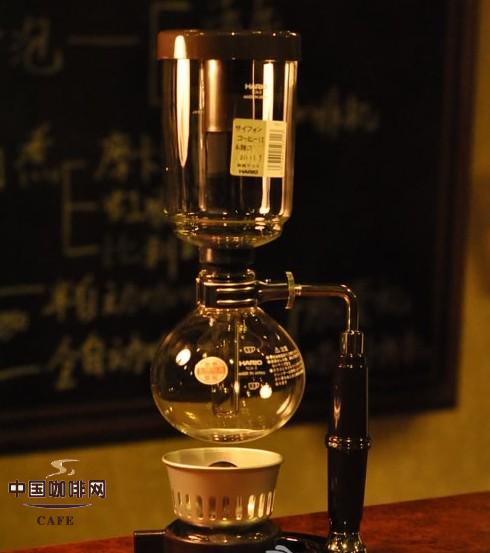


How to Inspect Your Hario Siphon Before Buying
If you're shopping online or at a physical store, here’s a practical checklist:
- Lid: Look for crisp, legible Hario lettering. Blurry text is a red flag.
- Rubber Seal: Ensure it’s printed with ‘Hario’ and has no strong chemical odor.
- Bracket & Handles:
- Check for smooth, even machining. Rough edges suggest a lower-quality knockoff.
- Alcohol Lamp:
- Compare the cap and windscreen shape to verified images of authentic Hario models. Mismatches mean it’s likely fake.
Also, trust your hands. The weight, balance, and material texture of the real Hario siphon feel more refined. But photos can’t fully convey that—so when possible, handle one in person or ask for verified customer images.
Frequently Asked Questions
What’s the easiest way to tell if my Hario siphon is fake?
The easiest way is to check the lid text—it should be sharp and clearly printed with ‘Hario.’ Next, examine the rubber seal on the upper chamber: the real one carries the Hario logo and has no rubbery smell. Finally, inspect the alcohol lamp—the cap and windscreen shapes are distinctly different on fakes.
Why does the lower chamber need to be cooled with a wet cloth?
Cooling the lower chamber quickly with a cold, damp cloth stops the hot brewed coffee from overheating during siphon return. This prevents scorching and off-flavors. Cheap glass can crack from the thermal shock, but genuine Hario glass is designed to handle rapid cooling safely.
Are high-quality fake Hario siphons safe to use?
They may work, but they carry risks. Low-quality glass can crack under sudden temperature changes. The rubber seal might emit odors or degrade faster, and imprecise parts can affect brewing consistency. For best results and safety, stick with the genuine Hario product.
Where can I find a real Hario siphon?
Buy from authorized retailers or directly from Hario’s official channels. If purchasing online, check verified reviews and customer images. Look for the key details described in this guide to confirm authenticity before you buy.
Does FrontStreet Coffee sell Hario siphons?
While this article doesn’t list specific Hario models sold by FrontStreet Coffee, they are a reputable specialty roaster with expertise in brewing equipment. Contact them directly or browse their store for available siphon options and expert advice.
Can a fake siphon ruin my coffee?
Yes. Besides potential glass breakage, a fake may alter heat distribution or brew dynamics, affecting extraction. The rubber seal quality can also introduce unwanted flavors. For consistent, high-quality siphon coffee, the real Hario is worth the investment.
Recommended FrontStreet Beans for Siphon Brewing
For the best results with your Hario siphon, try FrontStreet Coffee’s Ethiopia Humbera—bright and floral with citrus and jasmine notes—or their Brazil Queen Manor, a balanced blend with chocolate and nuttiness. Both showcase the clarity and sweetness that siphon brewing highlights. Freshly roasted within 5 days · Orders placed before 17:00 ship the same day · Next-day delivery across most of Guangdong Province.
FrontStreet Coffee is a long-established specialty coffee roaster in Guangzhou China, selling freshly roasted beans from its own farm in Yunnan as well as dozens of carefully selected single-origin beans from around the world for both pour-over and espresso. The products deliver consistently excellent quality and great value, with shipping within 24 hours. Guangzhou's FrontStreet Coffee shop is recommended by many coffee lovers, and the beans are now available online at the Tmall 。
Important Notice :
前街咖啡 FrontStreet Coffee has moved to new addredd:
FrontStreet Coffee Address: 315,Donghua East Road,GuangZhou
Tel:020 38364473