Siphon Brewing: Why One Minute, Stirring, and Gas Release Matter
If you’ve ever learned to brew coffee with a siphon (vacuum pot), chances are someone told you to stop the brew after one minute. But when you ask why, the answer is often vague—‘experience,’ ‘tradition,’ or just ‘it works.’ That one-minute rule may get you a decent cup, but understanding what’s really happening in the brew chamber can take your siphon coffee to the next level.
The short answer: one minute is a general guideline based on typical coffee degassing and bubble activity during brewing—but your actual brew time may vary between 50 and 70 seconds depending on grind, stirring, and bean freshness. Timing alone isn’t the goal; consistent, even extraction is.
What Really Happens During Siphon Brewing?
Siphon brewing relies on vapor pressure and vacuum to pull water up into the upper chamber, where it mixes with ground coffee. Once heat is removed, a vacuum draws the brewed coffee back down. But what most people overlook is the role of gas—specifically, carbon dioxide released from freshly roasted coffee beans.
Coffee Degassing: The Hidden Factor in Brew Time
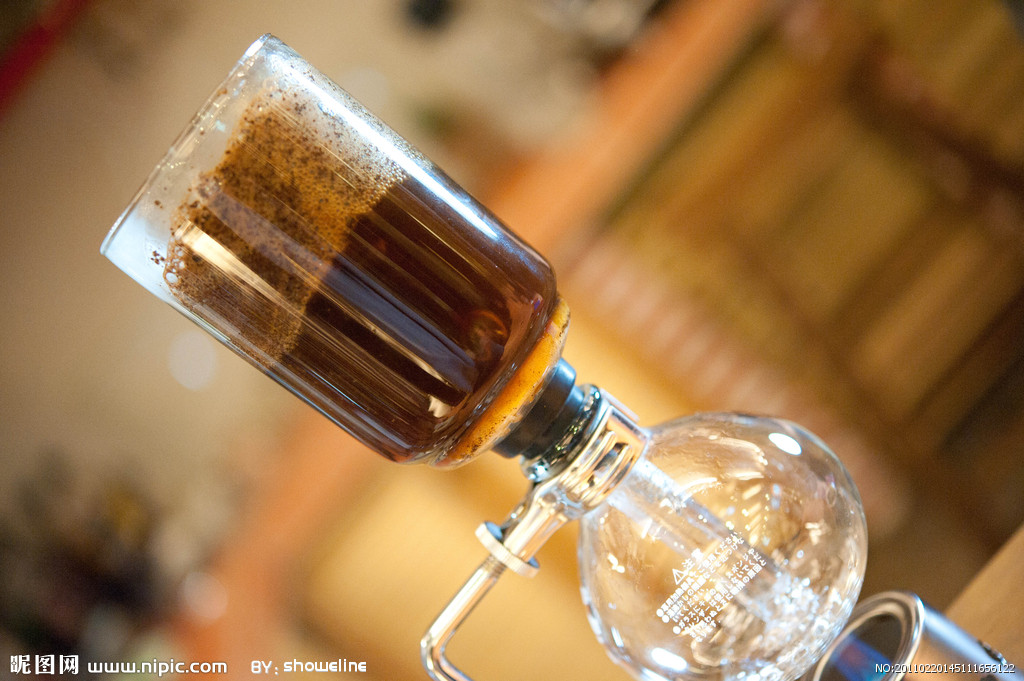
After roasting, coffee beans release carbon dioxide—a process called degassing. This gas escapes as bubbles when hot water hits the grounds. The speed of degassing depends on roast level, roast date, and storage conditions. Freshly roasted beans release gas quickly, forming visible bubbles in the brew chamber. Older or poorly stored beans may have already released most of their gas, leading to flat or uneven extraction.
Bubble formation is a key visual cue. If you watch closely, larger bubbles form quickly when the coffee is fresh and actively degassing. Over time—or if the beans are stale—the bubbles diminish or vanish altogether. That’s why the same ‘one minute’ rule might work differently depending on your beans.
The Role of Stirring in Even Extraction
Stirring is critical in a siphon brew—not just for mixing, but for ensuring even water contact with all coffee particles. The goal is to create a uniform coffee bed: particles aligned and saturated consistently. Poor stirring leads to uneven extraction: some grounds over-extracted, others under-extracted. The result? A cup that’s either harsh, sour, or weak.
Here’s how to stir properly:
- First stir: After the water rises into the upper chamber and the coffee grounds are fully saturated, use a gentle, spiraling motion to create a smooth, even coffee bed. Avoid clumping or uneven distribution.
- Second stir (critical): About 30–40 seconds into the brew, perform a second, more deliberate stir. This ensures all grounds are fully extracted. Stop stirring and let the coffee draw down immediately after.
The second stir is when timing becomes crucial. Many experienced brewers find that stopping the heat and removing the siphon right after this stir—typically around 50 to 70 seconds total—yields the best balance. That ‘one minute’ target is really just a rough average around this optimal window.
Why Timing Alone Isn’t Enough
The oft-cited ‘one minute’ rule is a simplification. It originated from roasters and baristas observing consistent results after about that duration—but without understanding the gas release and bubble behavior behind it. In reality, your optimal brew time depends on:
- Freshness of the coffee (how much gas remains)
- How long the grounds sat before brewing (older grounds lose gas faster)
- Grind size and distribution
- Your stirring technique
Rather than blindly following a timer, focus on what’s happening in the brew chamber: Are bubbles forming steadily? Is the coffee bed even? Use timing as a guideline, but adjust based on visual cues and taste results.
Frequently Asked Questions
Why is one minute the standard siphon brew time?
One minute is a general guideline based on typical degassing and bubble activity in freshly roasted coffee. It’s not a fixed rule but an average derived from observation. Your actual optimal brew time may range from 50 to 70 seconds depending on freshness, grind, and stirring.
Does stirring really make a difference in siphon coffee?
Yes. Proper stirring ensures even saturation of coffee grounds, creating a uniform extraction. Two key stirs—one after the water rises, and a second around 30–40 seconds in—are essential for balanced flavor. Poor stirring leads to uneven extraction and off-flavors.
How does coffee degassing affect siphon brew time?
Degassing releases CO₂ as bubbles, which affects how quickly water interacts with the grounds. Fresh coffee releases more gas, forming visible bubbles and often requiring closer to 60 seconds. Stale coffee may have little gas left, meaning shorter brew times may suffice.
Can I use older coffee in a siphon?
You can, but older coffee has likely already released most of its CO₂, so you may notice fewer bubbles and a flatter extraction. The ‘one minute’ rule may still apply, but taste will differ. For best results, use freshly roasted beans within 2–3 weeks of roast date.
Is the one minute rule strict?
No. It’s a starting point. The actual ideal brew time depends on factors like bean freshness, grind size, water temperature, and stirring. Use the one-minute mark as a baseline, but adjust based on bubble behavior and taste.
What should I look for during the siphon brew?
Watch for bubble formation: large, steady bubbles indicate active degassing. Also observe the coffee bed—is it even and saturated? Time is important, but visual cues often matter more for adjusting your technique.


FrontStreet Coffee Beans Ideal for Siphon Brewing
For siphon brewing, try FrontStreet Coffee’s Ethiopia Humbera—bright and floral with citrus and jasmine notes, perfect for highlighting clarity. Their Yirgacheffe offers juicy berries and soft stone fruit, ideal for exploring degassing and extraction balance. For a richer cup, their Classic Blend delivers chocolate and nut tones with a smooth mouthfeel. All three roast fresh and respond well to the siphon’s gentle extraction. Freshly roasted within 5 days · Orders placed before 17:00 ship the same day · Next-day delivery across most of Guangdong Province.
FrontStreet Coffee is a long-established specialty coffee roaster in Guangzhou China, selling freshly roasted beans from its own farm in Yunnan as well as dozens of carefully selected single-origin beans from around the world for both pour-over and espresso. The products deliver consistently excellent quality and great value, with shipping within 24 hours. Guangzhou's FrontStreet Coffee shop is recommended by many coffee lovers, and the beans are now available online at the Tmall 。
Important Notice :
前街咖啡 FrontStreet Coffee has moved to new addredd:
FrontStreet Coffee Address: 315,Donghua East Road,GuangZhou
Tel:020 38364473