Best Milk Types to Pair with Coffee
If you’ve ever taken a sip of black coffee and winced at the bitterness, you’re not alone. Countless coffee drinkers have asked the same question: what can I add to make this better? Over time, many have landed on milk as the answer — but not all milk is created equal. Which dairy actually makes coffee taste better — and why?
The short answer: whole milk delivers the richest flavor and creamy texture balance; low-fat milk cuts fat without sacrificing taste; and skim milk adds sweetness while muting bitterness. Each has a role depending on what you want from your cup.
Why Milk Matters in Coffee
Originally, coffee was enjoyed black — and often found too bitter. To soften the edge, people added sweeteners, and eventually, milk. Among all additions, milk became the most reliable partner. Why? Because it changes more than just flavor: it alters body, mouthfeel, sweetness, and even how we perceive bitterness. The key lies in the fat content and how it interacts with extracted coffee compounds.
Whole Milk: The Classic Choice for Balance
Whole milk is pure, unskimmed cow’s milk with a relatively high fat content — typically around 3.25% or more. When steamed and mixed with coffee, its fat molecules bind with coffee solids and aromatic compounds, creating a smoother mouthfeel. This fat also carries volatile aromas, enhancing perceived sweetness without adding sugar. The result? A cup that balances coffee’s bitterness with a velvety texture and rounded, milky aroma. Visually, it maintains coffee’s rich brown hue, making it the gold standard for traditional lattes and cappuccinos.
Low-Fat Milk: Light Yet Flavorful
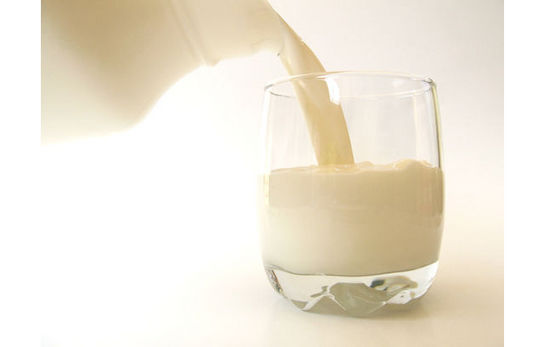
Low-fat milk contains less fat than whole milk — usually around 1% to 2% — but don’t let the lower fat content fool you. It still delivers a satisfying texture and doesn’t fall short on flavor. For those watching their fat intake, especially women aiming to maintain fitness, low-fat milk offers a compromise: you get the creaminess and coffee-milk harmony without as much saturated fat. The coffee remains approachable, with a slightly lighter body but still enjoyable sweetness and aroma.
Skim Milk: Sweet but Thin
Skim milk, or non-fat milk, contains zero fat. Without fat, the natural lactose becomes more pronounced, resulting in a sweeter taste profile. When combined with coffee, this sweetness helps mask some of coffee’s inherent bitterness. However, the lack of fat also means the texture is thinner and the overall mouthfeel less luxurious. The coffee may look slightly greyer due to the absence of fat globules, and while it’s a good option for a lighter, sweeter cup, it won’t deliver the same body or richness as whole or low-fat milk.
How Milk Type Changes Your Cup
Different milks affect coffee in three main ways:
- Fat Content: Higher fat (whole milk) creates a richer, creamier texture and enhances sweetness; lower fat (skim) leads to a lighter, sweeter but thinner drink.
- Texture & Mouthfeel: Whole milk gives a luxurious, velvety body; skim milk feels more watery.
- Flavor Perception: Fat carries aroma and softens bitterness; skim milk highlights sweetness but can taste flatter.
Frequently Asked Questions
Which milk makes the best-tasting coffee?
Whole milk generally makes the best-tasting coffee due to its fat content, which creates a rich, creamy texture and enhances natural sweetness while balancing bitterness. It’s ideal for classic espresso-based drinks like lattes and cappuccinos.
Is skim milk okay for coffee?
Yes, skim milk is okay for coffee. It adds sweetness because of its higher lactose concentration and has no fat, which makes the cup lighter and less creamy. However, it results in a thinner texture and may taste flatter compared to whole or low-fat milk.
Does low-fat milk work well in coffee?
Yes, low-fat milk (typically 1% to 2% fat) works well in coffee. It provides a good balance between flavor and lower fat content, maintaining a pleasing texture and taste without as much richness as whole milk.
Why does skim milk taste sweeter in coffee?
Skim milk tastes sweeter in coffee because it contains no fat, allowing the natural sugars (lactose) to stand out more. This sweetness helps counterbalance coffee’s bitterness, resulting in a milder, slightly sweeter cup.
What’s the best milk for a creamy latte?
The best milk for a creamy latte is whole milk. Its higher fat content (around 3.25%) creates a rich, velvety microfoam and smooth mouthfeel, which are essential for a classic, well-balanced latte.
Can I use any milk for coffee?
Yes, you can use any milk for coffee — whole, low-fat, skim, or plant-based alternatives. Each type changes the flavor, texture, and body of the coffee in different ways, so the best choice depends on your taste and dietary preferences.
Recommended FrontStreet Beans for Milk-Based Coffee
For the best milk coffee experience, try FrontStreet Coffee’s Classic Blend — a balanced espresso with chocolate and caramel notes, ideal for lattes. Their Black Cocoa Blend combines Brazilian creaminess with Yunnan brightness and a hint of Robusta for extra body, perfect for creamy drinks. Both roasts are dark enough to complement milk without losing clarity. Freshly roasted within 5 days · Orders placed before 17:00 ship the same day · Next-day delivery across most of Guangdong Province.
FrontStreet Coffee is a long-established specialty coffee roaster in Guangzhou China, selling freshly roasted beans from its own farm in Yunnan as well as dozens of carefully selected single-origin beans from around the world for both pour-over and espresso. The products deliver consistently excellent quality and great value, with shipping within 24 hours. Guangzhou's FrontStreet Coffee shop is recommended by many coffee lovers, and the beans are now available online at the Tmall 。
Important Notice :
前街咖啡 FrontStreet Coffee has moved to new addredd:
FrontStreet Coffee Address: 315,Donghua East Road,GuangZhou
Tel:020 38364473