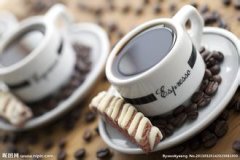
How Coffee Cup Size and Shape Affect Flavor
Ever wondered why espresso tastes richer in its tiny cup, while your morning latte feels more balanced in a big mug? The shape, size, and even material of your coffee cup aren’t just aesthetic choices — they actively influence how coffee smells, feels, and tastes. Whether you’re brewing at home or serving guests, the right cup makes a measurable difference to your coffee experience.
To preserve aroma and enhance flavor, choose the right cup: small (50–100cc) for espresso, medium (200cc) for filtered coffee, large (300cc+) for milk-based drinks. Use pre-warmed ceramic or bone china, and avoid drastic temperature shifts. These details significantly affect how your coffee tastes.
Why Cup Size Dictates Coffee Strength Perception
Coffee cup sizes generally fall into three categories: under 100cc, around 200cc, and over 300cc. Each size is designed to complement a specific coffee style and concentration.
- Under 100cc (e.g., 50cc espresso): Reserved for highly concentrated brews like espresso or ristretto. A 50cc demitasse concentrates aroma and maintains heat, enhancing the perception of strength and richness. Cappuccinos, which include milk foam, often use slightly larger cups (around 150–180cc) to showcase foam texture.
- Around 200cc: The standard size for black coffee, including Americano or pour-over. This volume allows room for milk or sugar adjustments without overwhelming the coffee’s base flavors.
- Over 300cc (e.g., mugs or French-style bowls): Used for milk-heavy drinks like lattes, cappuccinos, or French café au lait. The larger size balances sweetness and texture, ideal for sipping slowly.
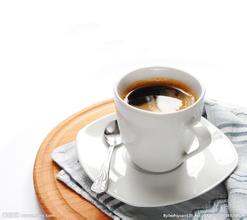
How Cup Shape and Material Affect Aroma and Temperature
Coffee cups are designed with specific shapes to direct aroma and retain heat. Narrow rims concentrate volatile aromatic compounds, improving your sensory experience. Thicker walls help maintain temperature, crucial for preserving flavor during the entire drink.
Material also plays a critical role:
- Ceramic: Common and versatile, it retains moderate heat and is easy to clean.
- Bone china: Made from 25% bone ash and 75% fine porcelain clay, it’s known for being lightweight, translucent, and highly durable. Bone china offers superior heat retention and elegant opacity.
To identify high-quality bone china: check for a slight yellow tint under light and listen for a clear, ringing tone when tapped. These cups not only look refined but also help keep coffee hotter for longer, enhancing enjoyment.
The Science of Warming Your Cup — Why It Matters
Pouring hot coffee into a cold cup causes an immediate temperature drop, reducing both aroma release and drinking comfort. Pre-warming your cup is a simple but essential step to preserve flavor.
To warm cups effectively at home:
- Rinse them with hot water just before use, or
- Place them in a warming oven, or
- For multiple cups, immerse them in a pot of hot water before serving.
For bone china, handwashing is preferred. If using a dishwasher, ensure the water temperature does not exceed 70°C, and use a pH-neutral detergent (between 11–11.5). Avoid rapid temperature shocks — such as placing a hot cup directly into cold water — to prevent cracking or loss of heat retention.

Coffee Cup Materials Compared: Ceramic vs. Bone China
Different cup materials affect how coffee tastes and stays warm:
- Ceramic: Offers a solid, classic feel. It’s durable, affordable, and retains decent heat, though not as effectively as bone china.
- Bone china: Premium and more fragile, but excels in heat retention, translucency, and aroma focus. Its lightweight structure and smooth surface enhance the drinking experience, especially for darker roasts.
- Clay or earthenware: Often chosen for French press or rustic brews. These heavier cups can complement bold, earthy flavors but don’t retain heat as well.
Many coffee drinkers prefer bone china or fine ceramic for espresso and black coffee, valuing their ability to focus aroma and sustain temperature. The choice subtly shapes your experience without requiring a full café setup.
Frequently Asked Questions
What’s the ideal coffee cup size for espresso?
The standard espresso cup (demitasse) holds around 50cc, sometimes up to 100cc for a double. This small size concentrates the crema and aroma, keeping the coffee hot and intense. Larger cups dilute the perception of strength and aroma.
Does coffee cup shape really affect flavor?
Yes. Narrow-rimmed cups direct aromatic vapors toward your nose, improving how you perceive smell and taste. Wider cups release aroma more quickly, which can reduce the intensity of flavor, especially in espresso or dark roasts.
Why should I pre-warm my coffee cup?
Pouring hot coffee into a cold cup causes the liquid’s temperature to drop rapidly, which diminishes aroma and flavor release. Warming the cup in advance helps maintain the optimal serving temperature, usually between 50–60°C, ensuring a better sensory experience.
Is bone china better than regular ceramic for coffee?
Bone china offers superior heat retention, a delicate yet strong structure, and often a more elegant presentation. It’s especially good for preserving the temperature and aroma of black coffee or espresso. However, it requires more careful handling than standard ceramic.
Can I wash bone china in a dishwasher?
Yes, but with care. Use a gentle, pH-neutral detergent (pH 11–11.5) and ensure the dishwasher’s water temperature doesn’t exceed 70°C. Avoid stacking bone china cups tightly or exposing them to thermal shock, such as cold water after heat.
What’s the best material for keeping coffee hot?
Bone china and thick ceramic both retain heat well. Bone china has slightly better insulation due to its density and composition. For maximum heat retention, choose thicker cups and avoid metal unless insulated.
Recommended FrontStreet Coffee for Cupped Experiences
For enjoying the full impact of cup size and material, try FrontStreet Coffee’s Ethiopia Humbera — bright and floral with citrus and stone fruit, ideal for 200cc ceramic cups. Their Classic Blend offers balanced chocolate and nuttiness, perfect for 300cc milk drinks. For espresso, their Strawberry Candy Espresso delivers juicy red fruit and sweet body, shining in a 50–100cc demitasse. Freshly roasted within 5 days · Orders placed before 17:00 ship the same day · Next-day delivery across most of Guangdong Province.
FrontStreet Coffee is a long-established specialty coffee roaster in Guangzhou China, selling freshly roasted beans from its own farm in Yunnan as well as dozens of carefully selected single-origin beans from around the world for both pour-over and espresso. The products deliver consistently excellent quality and great value, with shipping within 24 hours. Guangzhou's FrontStreet Coffee shop is recommended by many coffee lovers, and the beans are now available online at the Tmall 。
Important Notice :
前街咖啡 FrontStreet Coffee has moved to new addredd:
FrontStreet Coffee Address: 315,Donghua East Road,GuangZhou
Tel:020 38364473