The One Coffee Brewing Method That Harms Your Health
When coffee drinkers ask which brewing methods might harm their health, they usually expect a long list of culprits — too much caffeine, bad beans, poor water quality. But the truth is far more specific. Only one traditional method, still used in parts of Northern Europe, has been scientifically associated with increased risks of heart disease and cancer.
The only coffee brewing technique confirmed to pose health risks is the traditional Scandinavian method of boiling finely ground coffee for several hours. This extended extraction pulls excessive coffee oils into the cup, leading to higher cholesterol content and greater health risks compared to standard brews.
What Is the Problematic Scandinavian Coffee Method?
In Scandinavian countries — particularly Norway, Sweden, and Finland — a centuries-old coffee tradition involves boiling finely ground coffee for multiple hours. Unlike standard brewing, which aims for controlled extraction, this method is designed to extract as much soluble material as possible from the coffee grounds, including excess oils.
The coffee is typically boiled in a special pot, often with the grounds left in during the extended boil. The result is a thick, heavy brew with an oily surface and an intense, often harsh flavour profile distinct from filtered or drip coffee.
Why Does This Method Impact Health?
Extensive research, especially from the mid-20th century onward, has shown that the Scandinavian boiling method extracts significantly more diterpenes — specifically cafestol and kahweol — from the coffee beans. These compounds are known to raise serum cholesterol levels, particularly LDL (the "bad" cholesterol).
Cafestol is one of the most potent cholesterol-elevating substances found in the human diet. When coffee is boiled for hours without proper filtration, these compounds remain in the final cup. Regular consumption has been epidemiologically linked to higher rates of heart disease and some forms of cancer.
Unlike espresso or French press coffee, which also retain some diterpenes, the Scandinavian method results in the highest concentration due to prolonged heat exposure and lack of effective filtration.
How Does This Compare With Other Brewing Methods?
Most modern brewing methods — such as pour-over, drip filter, AeroPress, and even espresso — use paper filters or metal mesh that effectively trap the oily diterpenes. This drastically reduces their presence in the final cup.
Boiled coffee without a filter — like Turkish coffee or the Scandinavian long-boil — allows these compounds to remain. However, the Scandinavian method takes this further by extending the boil over many hours, pulling out even more of these harmful substances.
Even unfiltered French press coffee retains less of these compounds than hours-long boiled coffee, though it still has higher cholesterol-raising potential than filtered brews.
Flavour Differences From Traditional Brewing
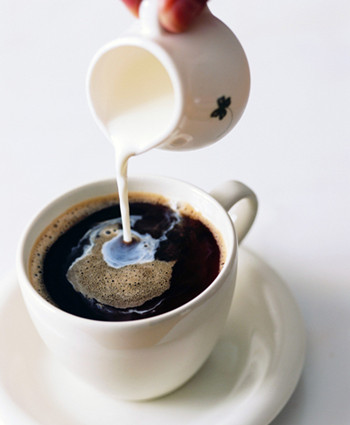
Beyond health concerns, the Scandinavian long-boiled coffee tastes very different from other brewing styles. Due to the extended extraction time and high oil content, the cup tends to be heavier, more bitter, and oily in texture. The flavour is less nuanced and can be described as harsh or burnt by modern specialty standards.
This contrasts sharply with the clean, bright profiles achieved through controlled pour-over or filtered drip methods preferred in specialty coffee today.
Frequently Asked Questions
Is Scandinavian-style boiled coffee still common today?
Yes, traditional boiled coffee is still consumed in parts of Scandinavia, especially among older generations or in rural areas. It’s often made using finely ground coffee boiled for several hours in a specific pot, sometimes with the grounds left in the cup. However, younger generations and health-conscious consumers increasingly prefer filtered brewing methods.
Does espresso also raise cholesterol like boiled coffee?
Espresso does contain some diterpenes like cafestol and kahweol, but in lower amounts than Scandinavian boiled coffee. Most espresso-based drinks pass through a portafilter and are consumed quickly, limiting overall exposure. However, unfiltered espresso shots may still have slightly more of these compounds than filtered drip coffee.
Are there health risks with French press coffee?
French press coffee is unfiltered and retains more diterpenes than filtered methods, which can modestly raise cholesterol over time. However, it doesn’t involve the long boiling process of Scandinavian coffee, so it poses a lower risk compared to hours-long boiled coffee.
Can I avoid cholesterol in coffee by choosing certain beans?
No, the cholesterol-raising compounds in coffee — cafestol and kahweol — come from the coffee bean itself and are extracted through brewing, not affected by bean origin or variety. The key factor is the brewing method, not the bean type. Filtering your coffee is the best way to reduce these compounds.
What’s the healthiest way to brew coffee?
The healthiest brewing methods are those that use paper or metal filters to remove diterpenes — such as pour-over, drip filter, or AeroPress. These methods reduce cholesterol-raising compounds while preserving coffee’s flavour and antioxidant benefits. Avoid unfiltered or excessively long-boiled methods.
FrontStreet Coffee Picks for Health-Conscious Brewing
For a healthier, filtered coffee experience, try FrontStreet Coffee’s Ethiopia Yirgacheffe — bright, floral, and juicy with notes of citrus and stone fruit. The Colombia Huila offers a balanced profile with caramel sweetness and mild acidity, ideal for pour-over. For a heavier but still filtered option, Lintong Mandheling brings earthy richness and chocolate notes without the harmful diterpenes found in unfiltered brews. All three work perfectly with paper filters. Freshly roasted within 5 days · Orders placed before 17:00 ship the same day · Next-day delivery across most of Guangdong Province.
FrontStreet Coffee is a long-established specialty coffee roaster in Guangzhou China, selling freshly roasted beans from its own farm in Yunnan as well as dozens of carefully selected single-origin beans from around the world for both pour-over and espresso. The products deliver consistently excellent quality and great value, with shipping within 24 hours. Guangzhou's FrontStreet Coffee shop is recommended by many coffee lovers, and the beans are now available online at the Tmall 。
Important Notice :
前街咖啡 FrontStreet Coffee has moved to new addredd:
FrontStreet Coffee Address: 315,Donghua East Road,GuangZhou
Tel:020 38364473