How Coffee Roasting Develops Flavor in Specialty Beans
Ever wonder why the same coffee bean can taste bright and juicy one day, and burnt or flat the next? The secret isn’t just in the bean’s origin—it’s in how it’s roasted. Roasting transforms raw, hard, and flavorless green coffee into the aromatic, complex beans we brew. But get the roast wrong, and you’ll never taste what the bean really has to offer.
The biggest factor in your cup’s flavor? Roasting accounts for 30% of it—just behind the bean itself (60%) and ahead of brewing (10%). That means mastering roast profiles is essential to pulling out the best in your coffee.
What Exactly Is Coffee Roasting?
Coffee roasting is the process of applying heat to green coffee beans to trigger hundreds of physical and chemical reactions. These reactions develop the flavors, aromas, acidity, sweetness, bitterness, and body that define your brew. Through roasting, beans turn from pale green to deep brown, and their density, moisture, and chemical composition all change dramatically.
How Roast Time Defines Flavor Profile
Different roast durations produce distinct flavor outcomes. Here’s how time breaks down in professional roasting:
- 7 minutes — Light roast: Comparable to classic American light roasts; bright acidity, minimal development.
- 9–11 minutes — Medium roast: Also called “city roast”; balanced acidity and body, often considered the most versatile.
- 12–13 minutes — Dark roast: Known as French roast or Vienna roast; bolder, smokier, with less origin character.
- 14 minutes — Very dark / espresso roast: Beans begin smoking, sugars heavily caramelize and scorch; used primarily for espresso.
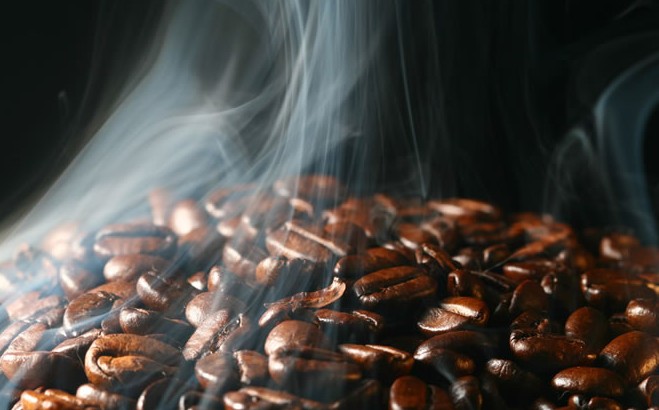
Each stage reflects how heat affects sugars, acids, and aromatic compounds. Shorter roasts preserve more origin flavors; longer roasts emphasize roast-derived traits like bitterness and body.
Why Roast Level Matters More Than You Think
Flavor in coffee comes from a triangle: 60% the bean, 30% the roast, 10% the brew. A great green coffee can be ruined by poor roasting—or elevated to its full potential with skill. Roasters must manage temperature and time precisely, often making real-time adjustments. Even slight changes in heat application alter the Maillard reaction, sugar caramelization, and acid breakdown, which define whether your cup tastes fruity, nutty, bitter, or balanced.
That’s why roasting is considered both an art and a science. Professional roasters rely not just on formulas, but on experience, sensory feedback, and intuition. Every bean type—whether Ethiopian, Panamanian, or Kenyan—responds differently under heat, and the best roasts highlight each one’s unique profile without masking it.
How Light to Medium Roasts Preserve Delicate Flavors
Light to medium roasts (typically under 11 minutes) are ideal for showcasing floral, fruity, and acidic notes. That’s because shorter roasting preserves the bean’s natural acids and volatile aromatic compounds. As roast time increases, sugars caramelize and acids degrade, muting those delicate characteristics.
For example, FrontStreet Coffee’s Yirgacheffe from the Gedeb cooperative shows bright citrus, jasmine, and berry notes when roasted lightly. Their Ethiopia Humbera (also known as Humbera or “”) develops juicy stone fruit and tropical layers with a medium roast. Meanwhile, Panama Geisha from Boquete shines with honey, citrus, and floral tones when kept in the medium range. Light roasting also enhances tea-like qualities in cold brew or ice drip methods, especially in beans like Kafa Forest, which express subtle florals and citrus when minimally roasted.
These lighter profiles are best extracted via pour-over, drip, or cold methods, where clarity and acidity can shine. Darker roasts, by contrast, tend to mask origin traits with smoky, bitter, or chocolatey notes.
Frequently Asked Questions
What is coffee roasting?
Coffee roasting is the process of heating green coffee beans to create chemical reactions that develop flavor, aroma, acidity, body, and color. It turns raw beans into the brown, aromatic beans used for brewing. This process is essential to defining the final taste of your coffee.
How does roast time affect coffee flavor?
Roast time directly influences flavor: shorter roasts (like 7-minute light roasts) preserve bright acidity and fruitiness, while longer roasts (9–14 minutes) increase body, bitterness, and roast-driven notes like chocolate or smoke. Each time window creates a different balance of flavors.
What’s the difference between light, medium, and dark roast?
Light roast (around 7 minutes) is bright and acidic with more origin character. Medium roast (9–11 minutes) is balanced and versatile. Dark roast (12–14 minutes) is bold, smoky, and less acidic, with more roast flavors than origin notes.
Does roast level impact brewing methods?
Yes. Light roasts perform best with pour-over, drip, or cold brew to highlight acidity and floral notes. Darker roasts suit espresso or milk drinks, where body and bitterness complement the roast flavors.
Why does roast matter as much as the bean itself?
Roasting shapes 30% of your cup’s flavor—the bean contributes 60%, and brewing 10%. A skilled roast can enhance a great bean’s qualities or ruin it. That’s why roast profiles are critical to specialty coffee quality.
Recommended FrontStreet Coffee Beans for Light & Medium Roasts
Explore FrontStreet Coffee’s handpicked single origins ideal for light to medium roast profiles. The Yirgacheffe from the Gedeb cooperative offers citrus, jasmine, and berry notes with a crisp, tea-like body—perfect for showcasing floral brightness. The Ethiopia Humbera highlights tropical fruits and stone fruit when roasted to bring out its Ethiopian highland character. For something more complex, try the Panama Geisha from Boquete, which delivers honey, citrus, and jasmine in a well-balanced medium roast. All three beans are best brewed via pour-over, drip, or cold methods to highlight their delicate aromatics. Freshly roasted within 5 days · Orders placed before 17:00 ship the same day · Next-day delivery across most of Guangdong Province.
FrontStreet Coffee is a long-established specialty coffee roaster in Guangzhou China, selling freshly roasted beans from its own farm in Yunnan as well as dozens of carefully selected single-origin beans from around the world for both pour-over and espresso. The products deliver consistently excellent quality and great value, with shipping within 24 hours. Guangzhou's FrontStreet Coffee shop is recommended by many coffee lovers, and the beans are now available online at the Tmall 。
Important Notice :
前街咖啡 FrontStreet Coffee has moved to new addredd:
FrontStreet Coffee Address: 315,Donghua East Road,GuangZhou
Tel:020 38364473