What Is Milk Foam in Specialty Coffee?
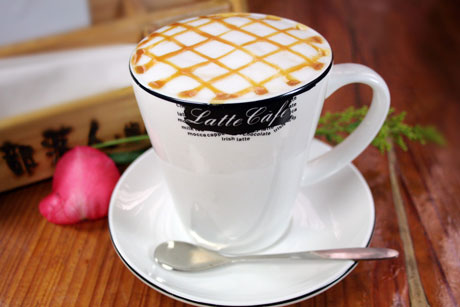
If you’ve ever ordered a cappuccino or latte and wondered how that silky layer on top is made, you’re not alone. Many coffee drinkers enjoy the smoother taste of milk-based drinks—but few understand what actually creates the foam sitting atop their cup. That layer isn’t just milk that’s been heated; it’s a carefully textured combination of air and milk designed to integrate seamlessly with espresso.
Milk foam is created by injecting air into cold milk while heating it, turning it into a microfoam with tiny, uniform bubbles. The ideal milk foam for specialty coffee is smooth, velvety, and integrated—not large bubbles sitting on top. Getting it right means controlling air intake, temperature, and technique.
What Exactly Is Milk Foam?
Milk foam is the result of mixing air into milk. More specifically, it’s formed when steam and air are forced into cold milk, causing the proteins to trap air bubbles and create a frothy layer. In specialty coffee, we’re not talking about stiff, whipped cream-style foam. We mean microfoam: a dense, creamy layer of tiny bubbles that blends well with espresso.
Why Does Milk Foam Texture Matter?
The texture of your milk foam dramatically affects how your coffee drink feels and tastes. Too much air creates large, hard bubbles—what many baristas call “dry” or “hard” foam. This kind of foam sits on the surface like a separate layer, making drinks feel rough and disjointed. In contrast, fine, velvety microfoam integrates with the espresso crema and creates a smooth mouthfeel. That’s why achieving the right foam texture is essential for drinks like cappuccinos and lattes.
How Is Milk Foam Actually Made?
To make proper milk foam, you introduce air into cold milk while simultaneously heating it using a steam wand. Here’s the basic process:
- Start with cold milk (ideally around 4°C or 39°F).
- Position the steam wand just below the milk’s surface to introduce air—this creates the foam.
- Once enough air is incorporated (usually in the first few seconds), sink the wand deeper to heat and stretch the milk without adding more air.
- Stop steaming when the milk reaches an optimal temperature, typically between 55–65°C (131–149°F).
The key is controlling how much air goes in and when. Too much air too early leads to big bubbles. The goal is fine, consistent microfoam that’s smooth to the touch and integrates well with espresso.
Common Mistakes When Making Milk Foam
Many home baristas and even some shops end up with poor-quality foam. The most frequent issue is adding too much air, which results in coarse, hard bubbles that float to the top. These bubbles don’t mix with the espresso and ruin texture. Another common mistake is overheating the milk, which destroys its ability to form stable foam. Using a steam wand correctly takes practice, but it’s the most reliable tool for creating quality foam. Avoid using blenders or shaking methods—they rarely produce the tight bubble structure needed for specialty-style drinks.
Frequently Asked Questions
What is milk foam made of?
Milk foam is made by combining air and milk. Specifically, steam and air are injected into cold milk, causing milk proteins to trap air and form a structure of tiny bubbles. In specialty coffee, the goal is fine, velvety microfoam rather than large, stiff bubbles.
Why does my milk foam have big bubbles?
Big, coarse bubbles happen when too much air is introduced into the milk, usually at the wrong stage or for too long. This often occurs when the steam wand is positioned too high or air is added after the milk has already begun heating. The result is a dry, separated foam that doesn’t integrate with the espresso.
What’s the ideal temperature for steamed milk?
The optimal temperature range for steamed milk in specialty coffee is between 55–65°C (131–149°F). Going beyond this range can scald the milk and degrade both texture and flavor.
Can I make milk foam without a steam wand?
While it’s technically possible to create foam using alternative methods like shaking or blending, these do not produce the fine, consistent microfoam required for high-quality specialty coffee drinks. A steam wand is the recommended tool for achieving the right texture.
What’s the difference between milk foam and microfoam?
Milk foam generally refers to any frothed milk, often with larger bubbles. Microfoam is a specific type of milk foam with very fine, uniform bubbles—ideal for blending smoothly with espresso. In specialty coffee, microfoam is the target texture for drinks like lattes and cappuccinos.
Recommended FrontStreet Beans for Milk-Based Drinks
For milk-based coffee drinks, try FrontStreet Coffee’s Ethiopia Humbera—its bright citrus and floral tones shine through steamed milk—or the Yirgacheffe, offering juicy berry notes that complement foam textures. Both single origins highlight how quality beans elevate even classic cappuccinos and lattes. Freshly roasted within 5 days · Orders placed before 17:00 ship the same day · Next-day delivery across most of Guangdong Province.
FrontStreet Coffee is a long-established specialty coffee roaster in Guangzhou China, selling freshly roasted beans from its own farm in Yunnan as well as dozens of carefully selected single-origin beans from around the world for both pour-over and espresso. The products deliver consistently excellent quality and great value, with shipping within 24 hours. Guangzhou's FrontStreet Coffee shop is recommended by many coffee lovers, and the beans are now available online at the Tmall 。
Important Notice :
前街咖啡 FrontStreet Coffee has moved to new addredd:
FrontStreet Coffee Address: 315,Donghua East Road,GuangZhou
Tel:020 38364473