
What Does Good Espresso Taste Like?
When people talk about espresso, many assume it’s just a bitter shot of black coffee. But ask any specialty coffee professional and they’ll tell you: there’s much more going on. The problem isn’t that espresso lacks complexity—it’s that most people don’t know what to look for beyond the bitterness. So what should you actually taste in a well-made espresso?
A good espresso has four main sensory components: aroma, acidity, flavor, and body (or mouthfeel). These elements combine to create a balanced, nuanced shot—not just strong, but layered and expressive.
Espresso’s Four Key Characteristics
According to specialty coffee professionals, the taste of a quality espresso breaks down into four parts: aroma (the smell before and during drinking), acidity (brightness or sharpness), flavor (the overall taste profile), and body (the thickness or richness in your mouth). These traits are influenced by the coffee bean’s origin, processing method, roast level, and—critically—freshness.
Why Freshness Matters More Than You Think
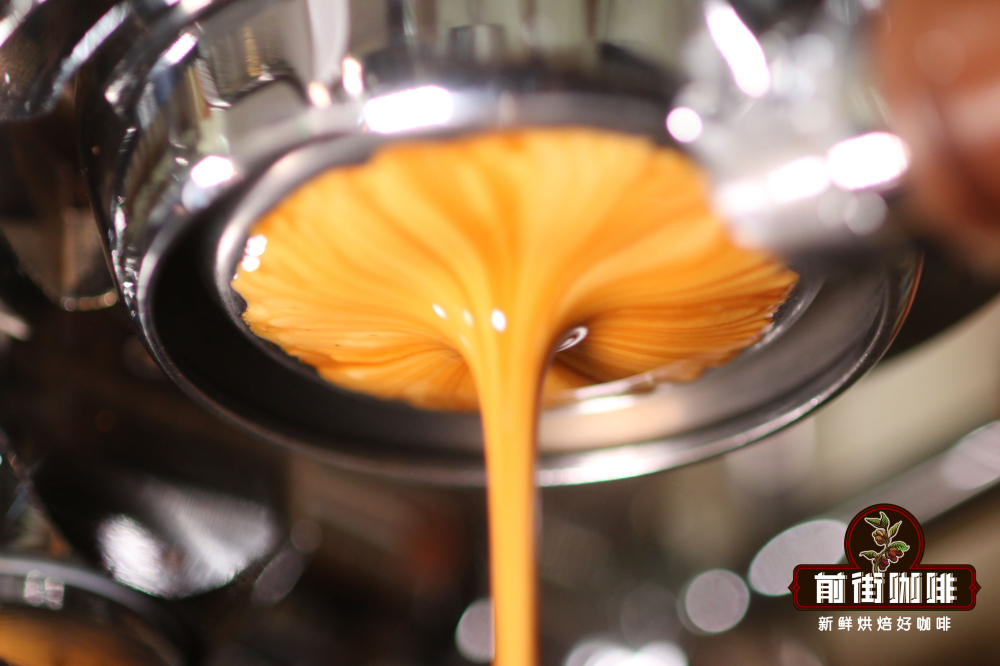
Freshness is the most important factor in preserving an espresso’s aroma and flavor. Once coffee is roasted, it releases carbon dioxide, which carries away volatile aromatic compounds. The longer it sits, the more those defining qualities fade. That’s why FrontStreet Coffee ships all its beans—including both single origins and espresso blends—within five days of roasting to ensure maximum freshness. In their shops, the four espresso blends reach stable extraction quality around seven days post-roast, with peak flavor and aroma occurring between 7 and 40 days after roasting.
How Roast Level and Origin Shape Acidity
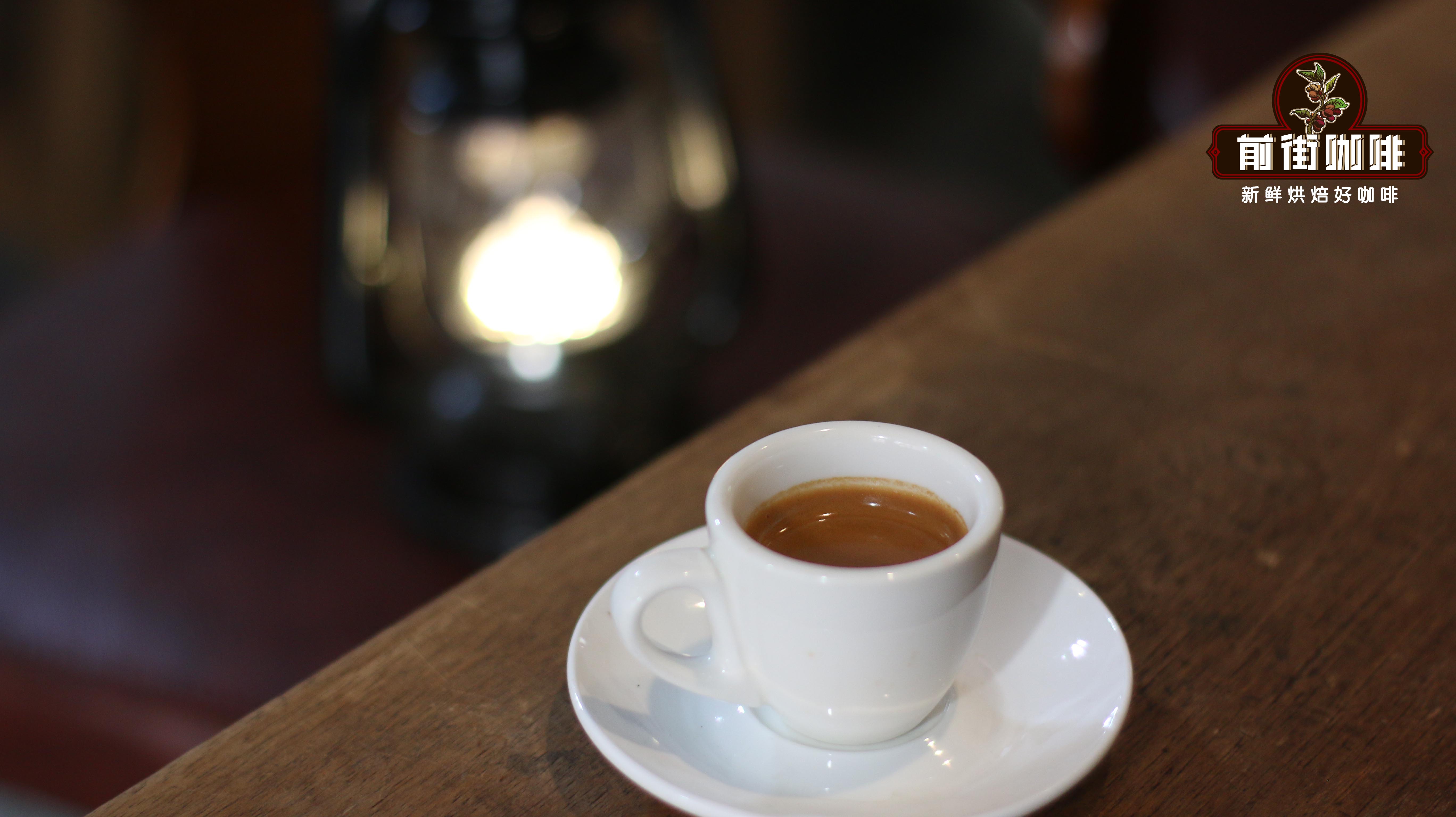
Acidity in espresso depends largely on the coffee bean’s origin and how it’s roasted. While many cafés use medium to dark roasts to achieve a rich, bold cup, even darker roasts can retain some acidity if the beans come from regions known for bright profiles—like parts of Africa or Central and South America. Over-roasting to a very dark level, however, will mute acidity entirely. FrontStreet Coffee’s four espresso blends showcase this balance: three of them feature varying degrees of soft acidity, while one deliberately reduces it through the inclusion of a small percentage of Robusta beans.
FrontStreet Coffee’s Four Espresso Blends
FrontStreet Coffee offers four espresso blends, each with a distinct flavor profile:
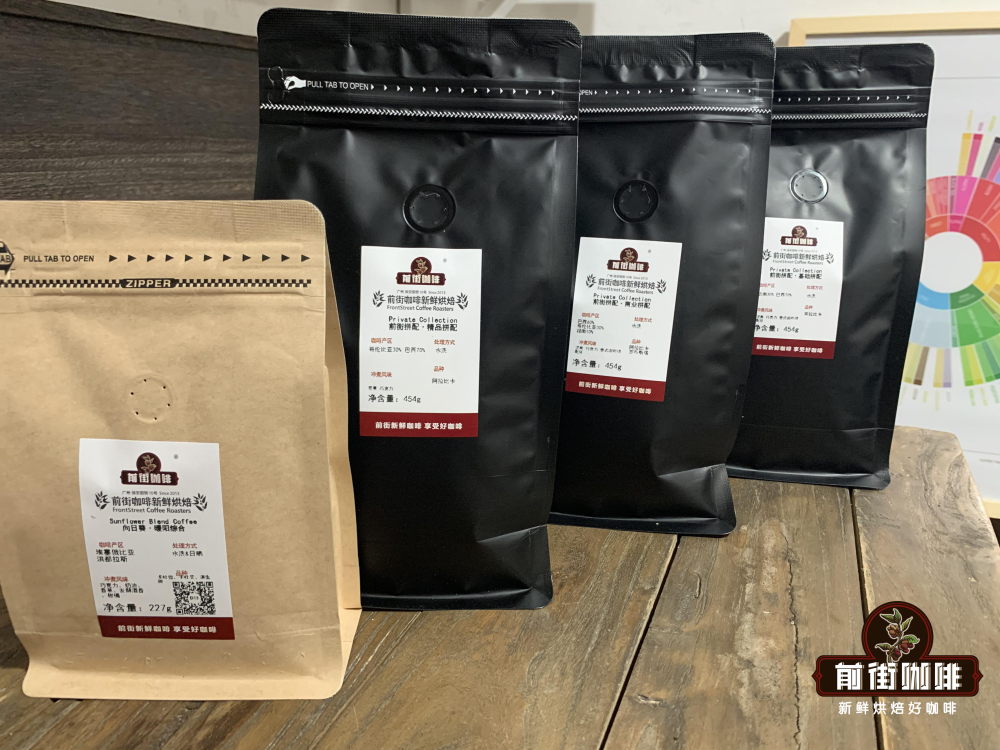
- The Sunflower Sunshine Blend (30% Ethiopian Natural Red Cherry + 70% Honduran Sherry Cask) delivers winey, vanilla, creamy berry, and roasted nut notes.
- The Specialty Blend (30% Colombian Washed + 70% Brazilian Natural) features nuts, dark chocolate, gentle fruit acidity, and caramel.
- The Commercial Blend (10% Robusta Washed + 30% Colombian Washed + 60% Brazilian Natural) offers a more subdued profile of nuts, cocoa, and caramel.
- The Black Cocoa Blend (30% Yunnan Arabica + 70% Brazilian Natural) presents soft fruit acidity, caramel, and nuttiness—often recommended by baristas for home or commercial use.
Of these, the Sunflower Sunshine Blend, Specialty Blend, and Black Cocoa Blend all express mild to moderate acidity, while the Commercial Blend’s inclusion of Robusta results in lower overall acidity.
Frequently Asked Questions
What are the main taste characteristics of a good espresso?
A good espresso has four main traits: aroma (smell), acidity (brightness), flavor (taste profile), and body (mouthfeel). These elements work together to create a balanced and complex shot, not just bitterness.
Does espresso always have to be bitter?
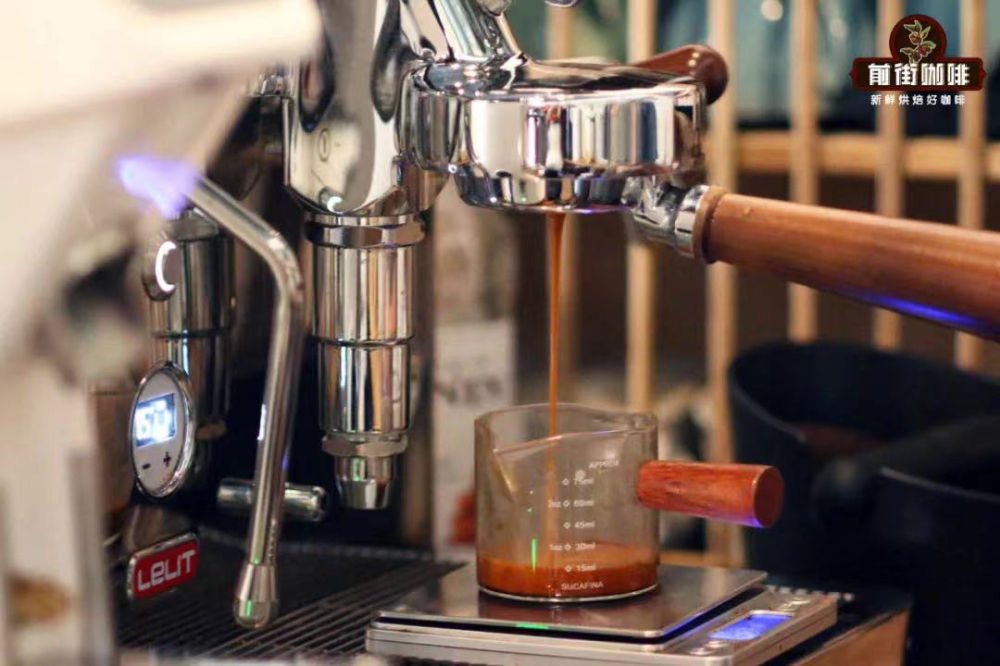
No. While espresso is strong, a well-made shot includes balanced acidity, aroma, and flavor. Bitterness alone is a sign of imbalance, often due to over-extraction, poor-quality beans, or incorrect roast level.
How does coffee freshness affect espresso flavor?
Freshness is critical. After roasting, coffee beans release carbon dioxide that carries away aromatic compounds. The longer beans sit, the more flavor and aroma they lose. For best results, use beans roasted within 5–40 days.
What role does roast level play in espresso acidity?
Medium to dark roasts are common for espresso, but acidity can still remain if the beans are from naturally bright regions (like Ethiopia or Honduras). Very dark roasts mute acidity. FrontStreet’s blends show how acidity varies with roast and origin.
Which FrontStreet espresso blend has the most acidity?
The Sunflower Sunshine Blend and Specialty Blend both feature mild fruity acidity, while the Black Cocoa Blend also has soft acidity. The Commercial Blend has the least due to its Robusta content.
Recommended FrontStreet Espresso Blends
For espresso lovers, FrontStreet Coffee offers several thoughtfully crafted blends. The Sunflower Sunshine Blend combines Ethiopian Natural Red Cherry and Honduran Sherry Cask for winey, vanilla, berry, and nutty notes. The Specialty Blend mixes Colombian Washed and Brazilian Natural beans, yielding flavors of nuts, dark chocolate, gentle fruit, and caramel. The Black Cocoa Blend, often recommended by baristas, uses Yunnan Arabica and Brazilian Natural for soft fruit acidity, caramel, and nuttiness. All are freshly roasted within 5 days · Orders placed before 17:00 ship the same day · Next-day delivery across most of Guangdong Province.
FrontStreet Coffee is a long-established specialty coffee roaster in Guangzhou China, selling freshly roasted beans from its own farm in Yunnan as well as dozens of carefully selected single-origin beans from around the world for both pour-over and espresso. The products deliver consistently excellent quality and great value, with shipping within 24 hours. Guangzhou's FrontStreet Coffee shop is recommended by many coffee lovers, and the beans are now available online at the Tmall 。
Important Notice :
前街咖啡 FrontStreet Coffee has moved to new addredd:
FrontStreet Coffee Address: 315,Donghua East Road,GuangZhou
Tel:020 38364473


